


In an increasingly complex digital landscape, organizations confront the urgent challenge of optimizing their IT infrastructure while protecting sensitive data. Information technology managed services offer a transformative opportunity for leaders, enabling them to enhance operational efficiency, streamline costs, and strengthen cybersecurity. As businesses navigate this pivotal shift, a critical question emerges: how can they ensure that their investment in managed IT services yields tangible benefits and fosters sustainable growth?
In today's digital landscape, Cyber Solutions is crucial for organizations aiming to improve and significantly enhance operational efficiency. Our monitoring and alert services are designed to detect anomalies and potential vulnerabilities in real-time, allowing for swift action to prevent downtime or breaches. By utilizing managed services, companies can concentrate on their core activities while benefiting from solutions that protect against ransomware, phishing, and other malware attacks. This strategic shift not only facilitates better resource allocation but also boosts productivity across teams, ultimately driving growth and success.
Industry leaders emphasize the importance of focusing on core competencies while outsourcing as essential for sustainable success. For instance, Kevin E. Kruse advocates for organizations to excel in their primary functions and outsource ancillary tasks. As organizations navigate the complexities of modern IT environments, utilizing managed services becomes a vital strategy for operational efficiency.
Moreover, our extensive solutions, tailored to your organization's specific needs, ensure business continuity. This underscores the increasing necessity for thorough backups and disaster recovery plans. In conclusion, the demand for comprehensive IT support is clear, as it ensures that organizations remain resilient in the face of challenges.
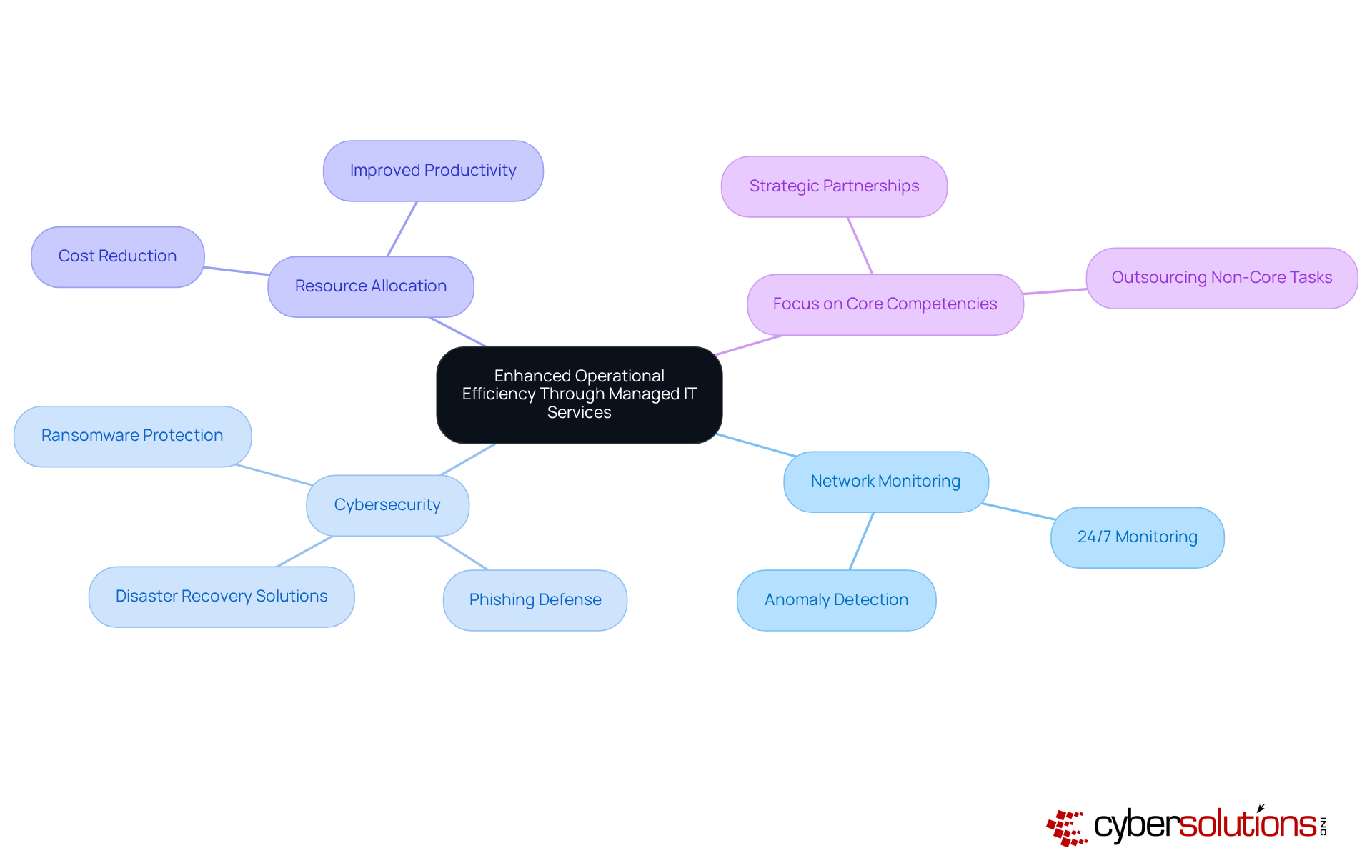
Utilizing managed services can lead to cost savings for organizations. By adopting a managed IT service model, organizations gain financial predictability, effectively mitigating the risk of unforeseen expenses associated with IT challenges. This financial predictability not only streamlines budgeting processes but also empowers leaders to make informed decisions, channeling funds toward other critical areas.
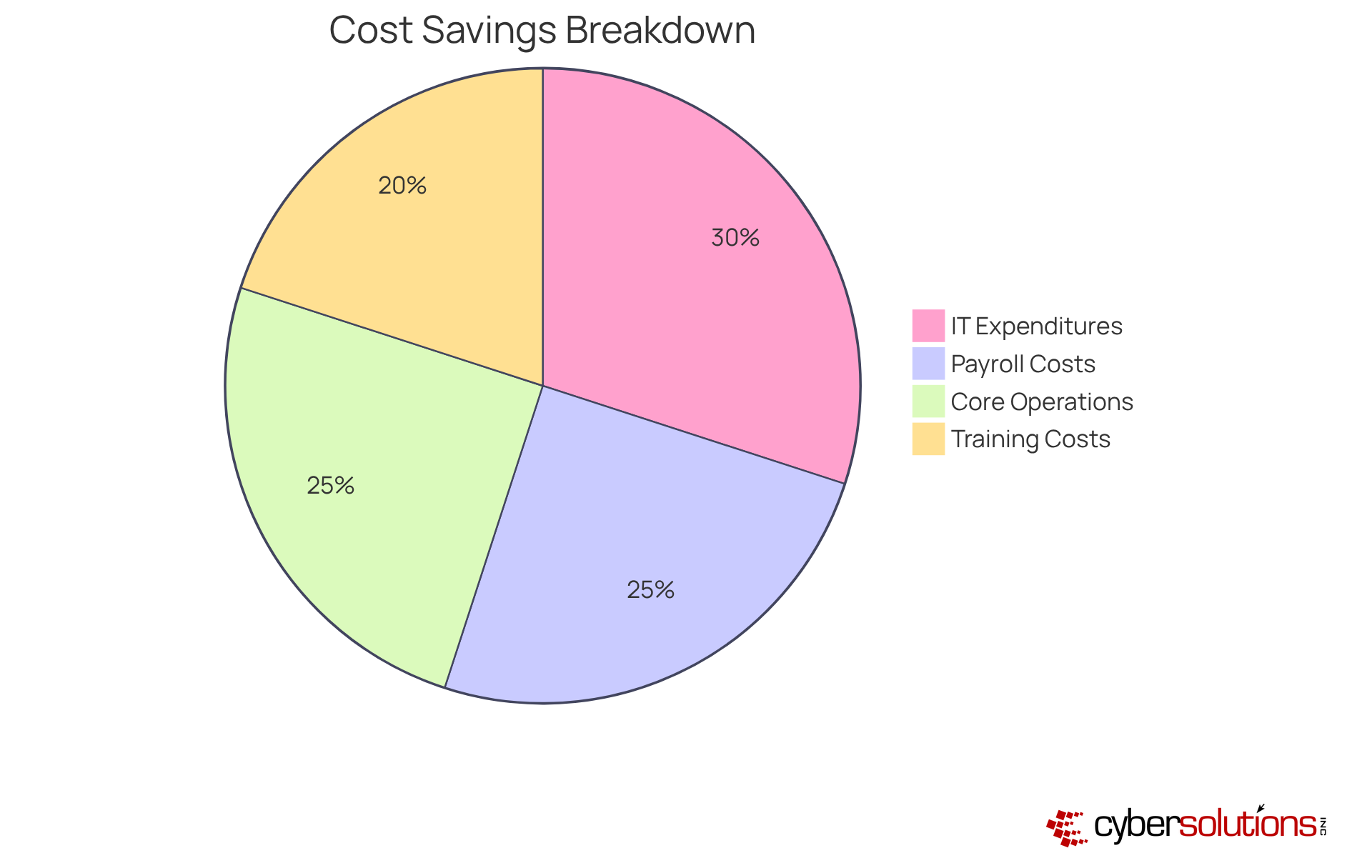
For instance, companies that have transitioned to managed IT services have reported savings of up to 30% on their overall IT expenditures. Furthermore, by utilizing third-party providers to outsource IT functions, businesses can reduce operational costs, thereby increasing profitability. This strategic shift not only enhances financial efficiency but also allows entities to focus on core business activities, ultimately driving growth.
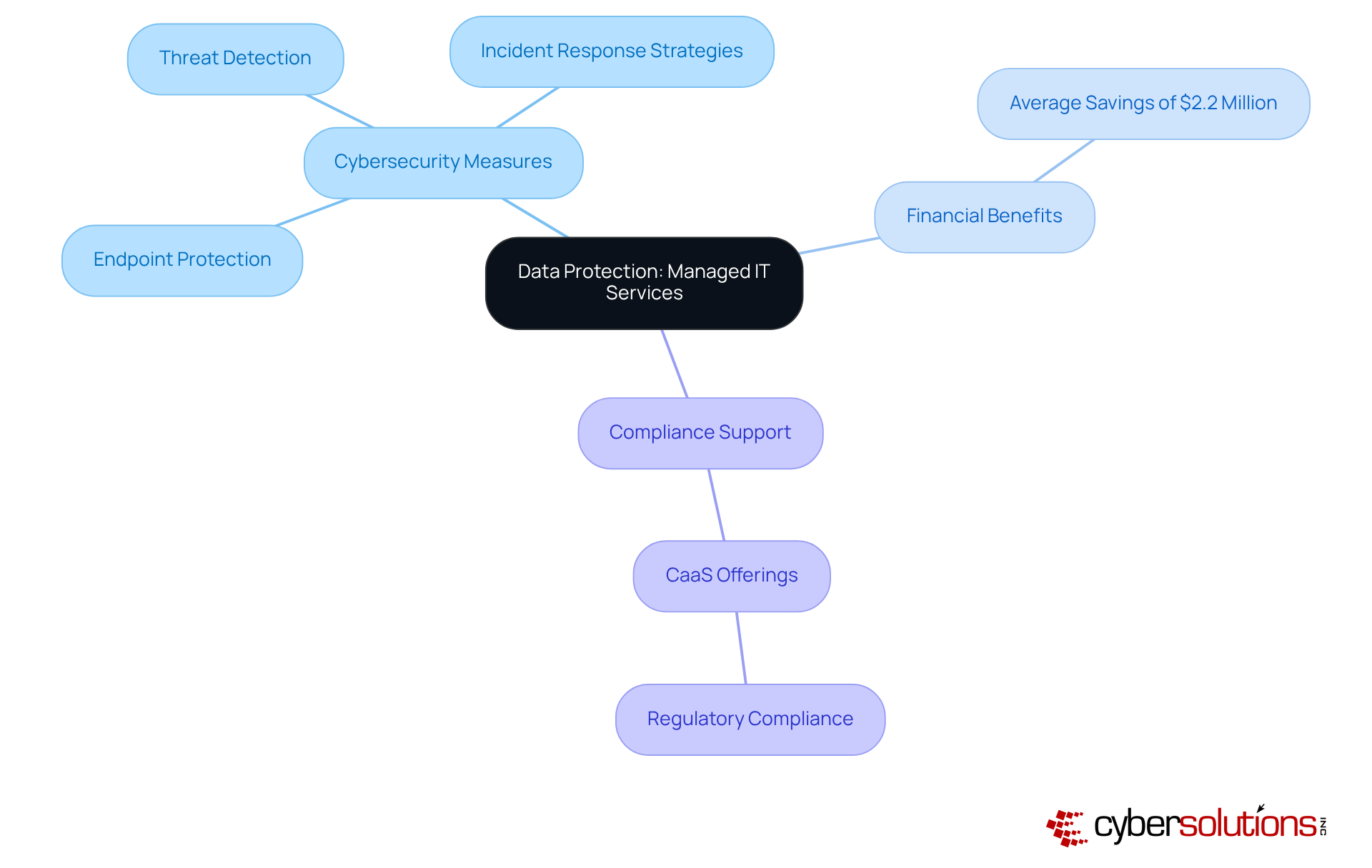
Managed IT solutions from Cyber Solutions are indispensable in fortifying and preventing cyberattacks. In today's landscape, employing advanced cybersecurity measures such as:
coupled with 24/7 IT support allows organizations to significantly enhance their security posture. For instance, organizations leveraging controlled IT solutions have recorded a staggering 300% increase in endpoint malware detections. This statistic underscores the urgent need for robust protection systems. Such a proactive approach not only safeguards sensitive data but also cultivates trust with clients and stakeholders, ensuring compliance with industry regulations.
Moreover, entities that implement comprehensive cybersecurity measures can realize an increase in operational efficiency, illustrating the financial benefits of investing in IT solutions. Additionally, our offerings provide enterprises with extensive support for regulatory requirements, including audit preparation and ongoing monitoring, ensuring compliance while protecting federal data and maintaining eligibility for government contracts.
As organizations prioritize data protection through managed services, it is crucial for maintaining operational integrity and achieving a competitive edge. To fully leverage these advantages, it is advisable to conduct a thorough assessment and identify areas for enhancement.
In today's digital landscape, the importance of cybersecurity in healthcare cannot be overstated. Partnering with Cyber Solutions grants organizations access to experts who possess specialized knowledge, including cybersecurity and compliance. This expertise enables businesses to implement security measures, which proactively prevents malware and unauthorized software from executing, thereby enhancing overall security and ensuring compliance with regulations like HIPAA.
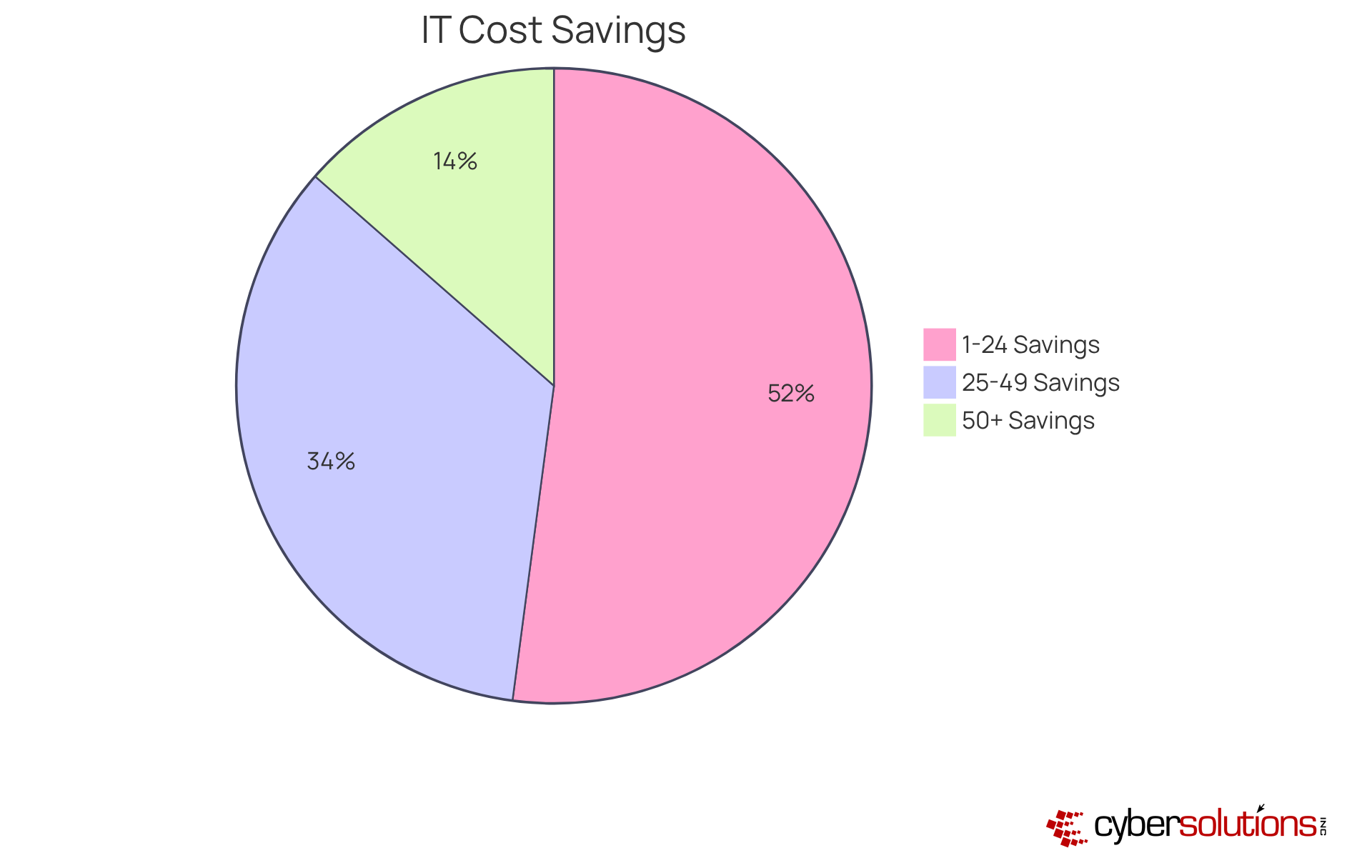
Application allowlisting features centralized management and continuous monitoring, ensuring that only approved applications run on your network while detecting and blocking unauthorized attempts in real-time. By leveraging this knowledge, leaders can make informed decisions that align with their strategic goals and objectives. Businesses that utilize managed IT services have reported notable savings:
Moreover, the U.S. professional market is anticipated to expand considerably, reaching $69.55 billion by 2025, signifying a strong need for skilled IT assistance. As the landscape transforms, IT leaders highlight the significance of this access, noting that it enables faster adaptation to new technologies and regulatory shifts, ultimately propelling organizational success. To maximize these advantages, C-suite leaders should consider frequently assessing their IT strategies and processes to ensure alignment with industry best practices, including security protocols and swift incident response capabilities.
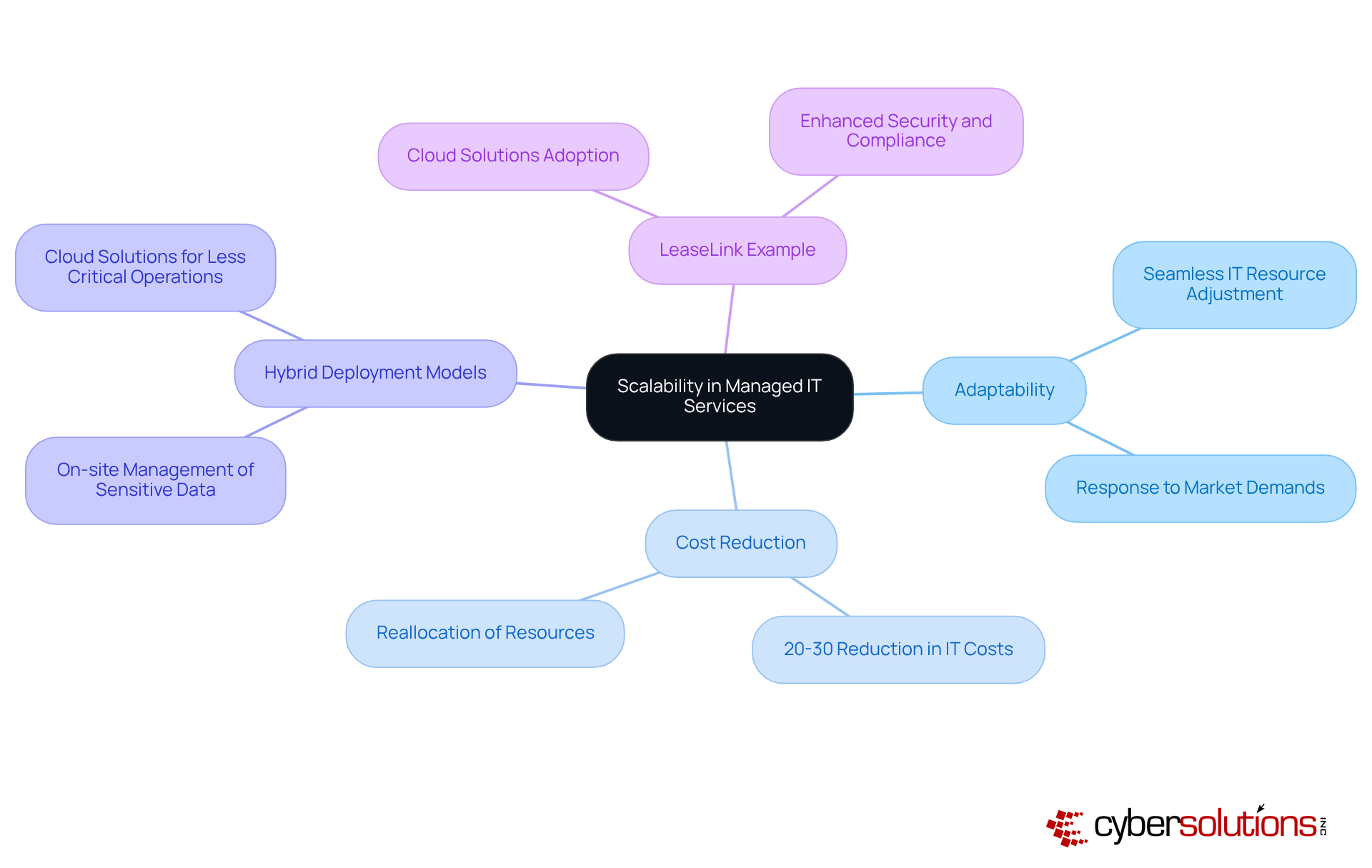
Managed IT services offer essential adaptability, enabling organizations to scale IT resources in response to evolving needs. As entities expand, they can seamlessly adjust their IT support and infrastructure without incurring significant costs. This flexibility enables companies to swiftly respond to market and operational shifts, thereby preserving a competitive advantage in their respective sectors.
For example, organizations adopting hybrid deployment models can efficiently manage sensitive data on-site while utilizing cloud services for less critical operations, striking an optimal balance between control and scalability. Furthermore, companies that leverage managed services have reported a 20-30% reduction in overall IT costs, which allows them to reallocate resources toward strategic initiatives.
This not only boosts efficiency but also cultivates innovation, empowering leaders to navigate the complexities of growth with assurance. As Tim O'Reilly remarked, 'Every industry and every organization will have to transform itself in the next few years,' highlighting the urgent need for solutions that are adaptable.
The case of LeaseLink exemplifies this transformation; they successfully adopted managed services to enhance their IT infrastructure, improving performance while accommodating a growing user base. This not only enhances productivity but also fosters collaboration, empowering leaders to navigate the complexities of growth with confidence.
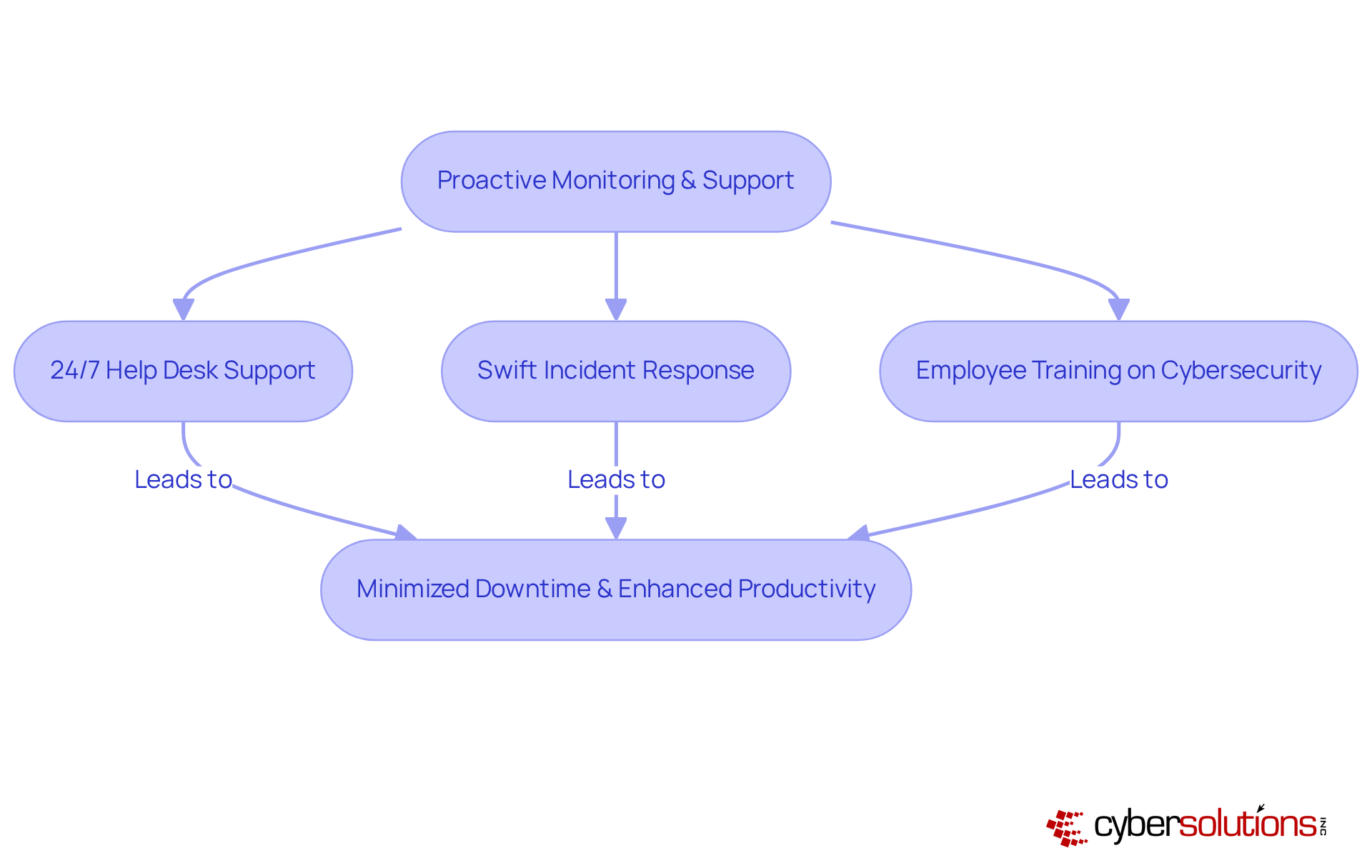
In today's digital landscape, the importance of information technology cannot be overstated. A key advantage of managed IT services is their capacity to minimize downtime through proactive support. Cyber Solutions Inc. provides round-the-clock help desk support and swift incident resolution, ensuring that IT issues are resolved promptly. This proactive approach not only enhances operational efficiency but also allows organizations to maintain productivity and concentrate on their primary objectives.
Consider a recent case involving a ransomware attack on a healthcare provider: within 24 hours, the team effectively contained the threat and restored systems to ensure continuity of care. The team employed segmented network strategies to prevent lateral movement of the ransomware and provided immediate training to staff on identifying suspicious emails and upholding proper cybersecurity hygiene.
Statistics reveal that organizations that utilize managed IT services experience 50% less downtime during critical incidents, translating to substantial savings and enhanced operational efficiency. Furthermore, organizations utilizing these services report a 20% increase in employee productivity, equating to more than 100 hours saved annually per worker. By investing in managed IT services—including extensive 24/7 network monitoring and alert systems—businesses can safeguard their operations against unforeseen disruptions, ensuring a robust and efficient work environment.
As the market sector of managed IT services is projected to exceed $1 trillion by 2033, the significance of such solutions continues to escalate, rendering them essential for contemporary businesses. Are you prepared to protect your organization and enhance your operational resilience?
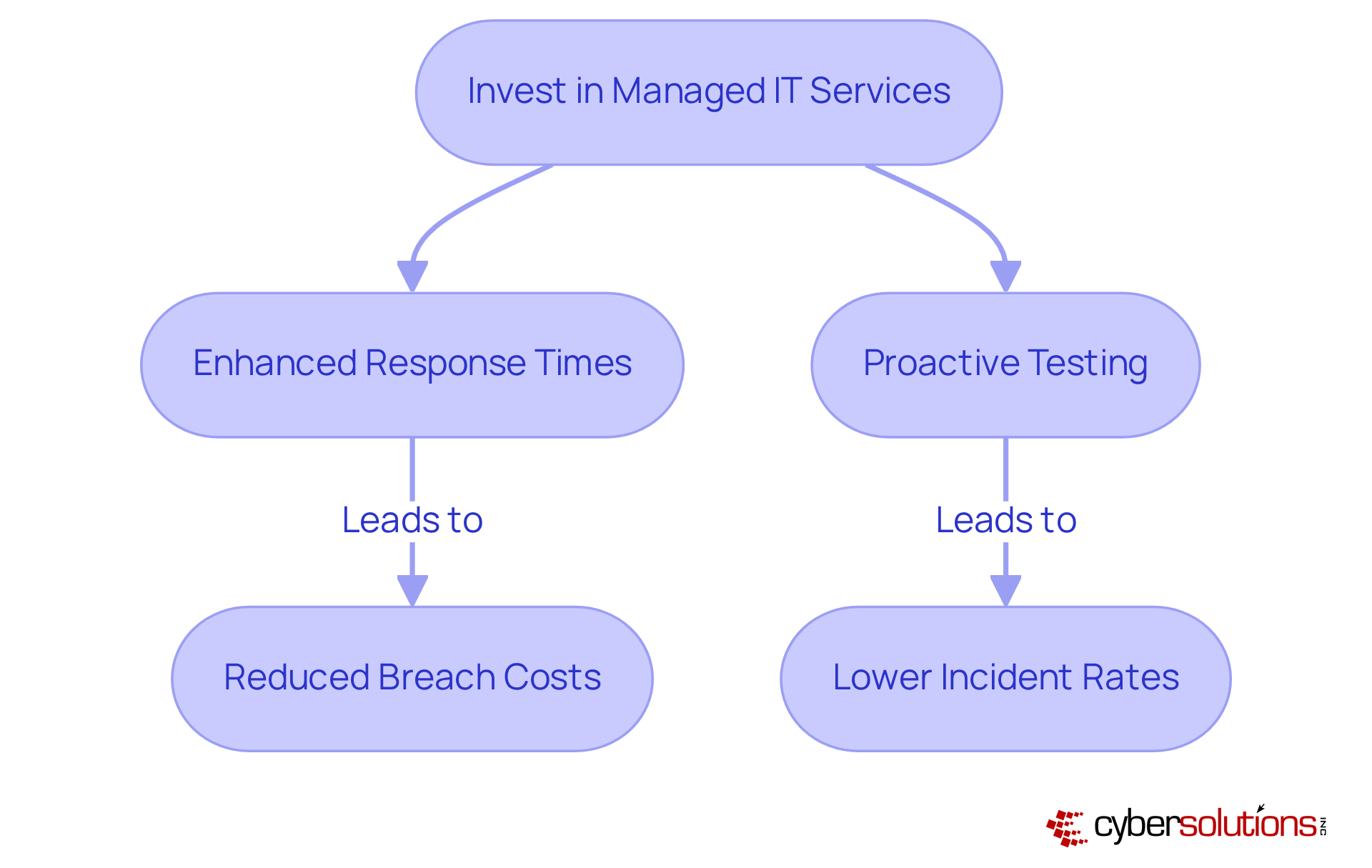
Proactive IT support services are crucial for addressing IT incidents, which is vital for minimizing disruption impacts. With a support team available 24/7, companies can swiftly resolve technical issues, ensuring seamless operational continuity. This swift response capability not only enhances productivity but also fosters a culture of reliability and trust within the organization.
Notably, statistics reveal that organizations conducting security testing at least twice a year can save by an average of $1.49 million, underscoring the financial benefits of proactive measures. Furthermore, companies that implement changes based on past breaches can reduce future incident rates by 50%, demonstrating the effectiveness of a structured approach in incident management.
By investing in organized solutions, businesses prepare themselves to tackle challenges more effectively, ultimately boosting their resilience against potential disruptions.
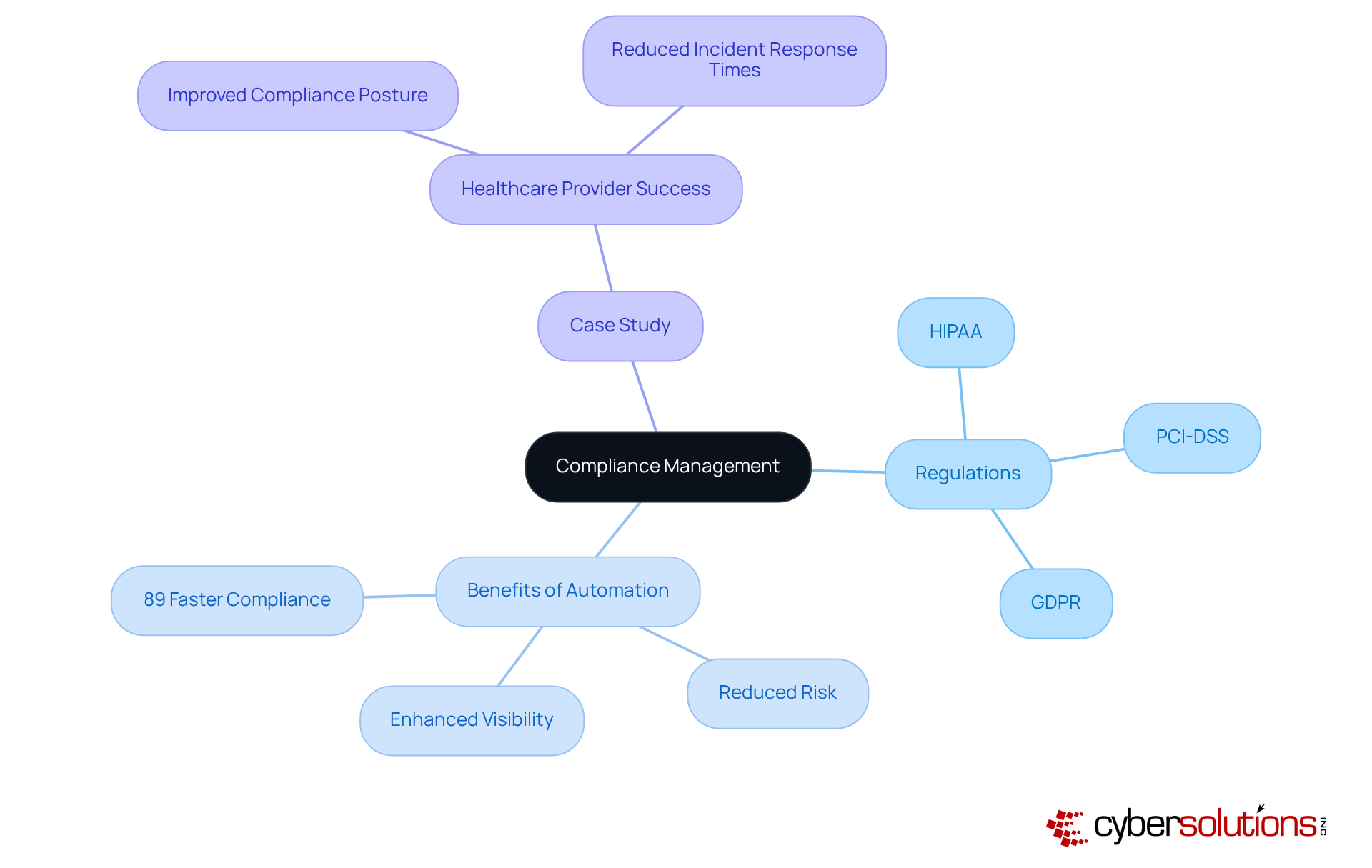
In today's landscape, the significance of cybersecurity in healthcare cannot be overstated. Managed services offers that streamline adherence to regulations, including:
By leveraging managed services, organizations can align their IT practices with regulatory requirements, thereby mitigating the risk of penalties and bolstering their reputation. This empowers leaders to concentrate on strategic initiatives rather than regulatory hurdles, while also integrating a compliance framework.
Consider this: 89% of organizations that implemented managed services reported an improvement across various frameworks. This statistic underscores the urgency for healthcare entities to adopt such measures. Moreover, with 52% of compliance professionals identifying a lack of reliable partner data as a challenge, managed services minimizes operational disruption through specialized expertise and swift incident response capabilities.
A compelling case study exemplifies this approach: a healthcare provider significantly enhanced its compliance posture and reduced incident response times after collaborating with a managed services provider. This partnership not only fostered a secure environment but also supported organizational growth and compliance. By choosing managed services, healthcare organizations can navigate the complexities of compliance and cybersecurity with confidence.
Managed IT solutions are essential for enhancing business resilience, particularly through comprehensive disaster recovery options. Cyber Solutions offers robust services that safeguard vital data and systems, enabling organizations to swiftly recover from unexpected disruptions. Alongside monitoring and alert services, these solutions deliver real-time insights, facilitating immediate responses to potential threats and further bolstering recovery efforts. This preparedness not only protects operations but also supports employees and clients.
Statistics indicate that approximately 25% of companies experiencing a major disruption, underscoring the necessity of disaster recovery planning. Furthermore, 96% of organizations with dependable backup solutions can fully restore operations following a data loss incident. By investing in managed IT services, organizations can significantly enhance their resilience and operational efficiency, ensuring they remain operational and competitive amidst challenges.
As Sinu Kook aptly notes, 'managed IT services help minimize these risks through preventive measures,' emphasizing the proactive approach essential for contemporary enterprises. The integration of advanced backup solutions and continuous monitoring not only mitigates risks but also fortifies overall organizational continuity, establishing it as a critical component of business strategy.
Delegating to Cyber Solutions is essential for organizations aiming to concentrate on their core operations, unburdened by the complexities of IT challenges. This strategic focus not only empowers leaders to allocate resources toward initiatives that drive growth and innovation but also enhances overall operational efficiency. By partnering with a reliable provider of managed IT services, organizations can streamline processes and work towards achieving their long-term goals. Notably, studies reveal that:
This transition minimizes operational distractions and enables companies to harness specialized expertise, ultimately enhancing productivity.
with a dedicated team, prepared to tackle threats and mitigate damage. To fully leverage the benefits of managed IT services, organizations must assess potential providers based on their expertise, support capabilities, and alignment with business objectives, particularly in critical areas such as cybersecurity.
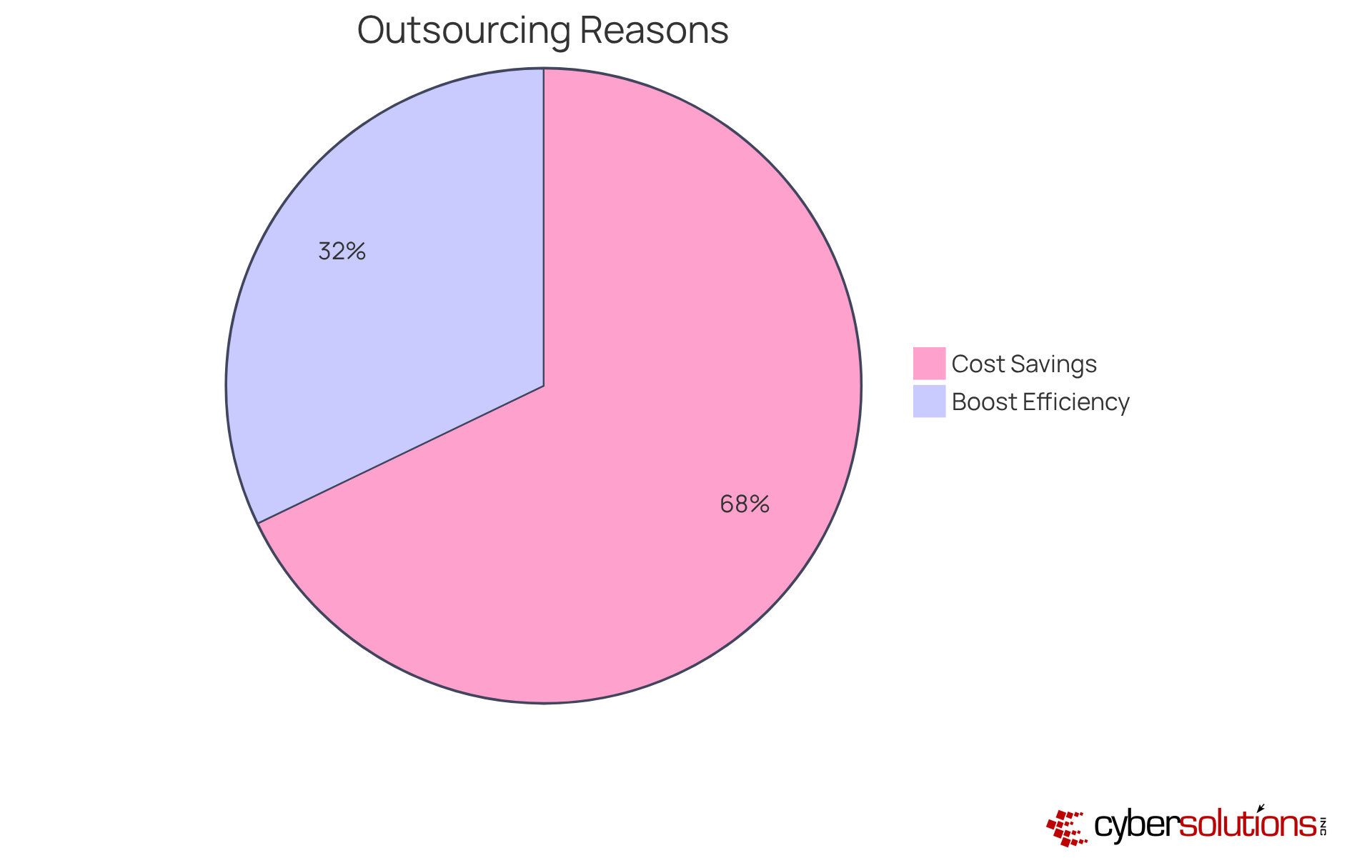
Outsourcing information technology managed services is not merely a strategic move; it is an essential step that empowers organizations to enhance operational efficiency, streamline costs, and fortify data security. By leveraging specialized expertise, businesses can concentrate on their core competencies while reaping the benefits of advanced IT solutions tailored to their specific needs. This partnership not only drives growth but also positions organizations to navigate the complexities of the digital landscape with confidence.
The article underscores several key advantages of managed IT services. These include:
Furthermore, proactive IT support ensures minimized downtime and faster response times, contributing to overall operational resilience. Organizations that embrace these services are better equipped to maintain compliance with industry regulations and recover swiftly from unforeseen disruptions.
Ultimately, the integration of managed IT services transcends a mere tactical choice; it is a vital component of strategic planning for modern organizations. As the demand for robust IT solutions continues to rise, leaders are urged to assess their current IT infrastructure and consider partnerships that align with their long-term objectives. Investing in managed IT services can significantly enhance business outcomes and ensure organizations remain competitive in an ever-evolving landscape.
Why are managed IT services important for organizations?
Managed IT services are crucial for organizations as they optimize IT infrastructure, enhance operational efficiency, and allow companies to focus on core activities while benefiting from proactive cybersecurity strategies.
How does Cyber Solutions enhance operational efficiency?
Cyber Solutions enhances operational efficiency through 24/7 network monitoring and alert services that detect anomalies and vulnerabilities in real-time, preventing downtime and breaches.
What financial benefits do managed IT services provide?
Managed IT services can lead to substantial reductions in operational expenses, with organizations reporting savings of up to 30% on overall IT expenditures through predictable monthly pricing and reduced need for in-house staff.
How do managed IT services contribute to data protection?
Managed IT services fortify data protection through advanced cybersecurity measures, including endpoint protection, threat detection, and incident response strategies, significantly enhancing an organization’s security posture.
What are the advantages of outsourcing IT management?
Outsourcing IT management allows organizations to concentrate on their core competencies, enhances financial efficiency by reducing payroll and training costs, and fosters growth and innovation.
What specific security measures are included in Cyber Solutions' offerings?
Cyber Solutions' offerings include advanced cybersecurity measures such as endpoint protection, threat detection, incident response strategies, and 24/7 IT support and proactive monitoring.
What is Compliance as a Service (CaaS) and how does it help organizations?
Compliance as a Service (CaaS) provides enterprises with support for regulatory requirements, including audit preparation and ongoing monitoring, ensuring compliance while protecting sensitive data and maintaining eligibility for government contracts.
How can organizations assess their current IT infrastructure?
Organizations can assess their current IT infrastructure by conducting a thorough evaluation to identify areas for enhancement, which is essential for leveraging the advantages of managed IT services.
Managed IT Service Provider | Cyber Security | Incident Response | Compliance As A Service | Hosted Phone Service | Managed Security Service Provider | AI As A Service