


In an era marked by an alarming rise in cyber threats, the significance of adhering to HIPAA technical safeguards is paramount. C-suite leaders are instrumental in implementing robust cybersecurity measures that not only shield sensitive patient information but also bolster overall organizational trust. This article explores ten essential HIPAA technical safeguards that executives must prioritize to effectively navigate the intricate landscape of compliance and protect their institutions against potential breaches.
How can leaders ensure that their organizations are not only compliant but also resilient in the face of the ever-evolving cybersecurity risks?
In today's digital age, the importance of cybersecurity in healthcare cannot be overstated. Cyber Solutions Inc. provides essential services that are crucial for maintaining compliance. These services encompass endpoint protection, ensuring that all devices accessing sensitive health information are secure. A key component of these services is malware prevention, which proactively prevents unauthorized software from executing, thereby reducing the risk of malware, ransomware, and zero-day attacks.
With around 70% of healthcare entities now employing endpoint protection, the execution of thorough protective measures, including allowlisting, is more crucial than ever. By efficiently reducing risks linked to information breaches, entities not only adhere to HIPAA regulations but also utilize cybersecurity best practices to protect patient information, thereby improving trust in healthcare services. Industry experts emphasize that endpoint protection, complemented by regular updates, is a foundational element in safeguarding electronic protected health information (ePHI) and adhering to compliance standards. This makes it imperative for healthcare organizations to implement these measures in their cybersecurity strategies.
As the landscape of cybersecurity threats evolves, healthcare organizations must adapt to emerging threats. Cyber Solutions Inc. offers innovative solutions to assist in addressing these pressing challenges, ensuring that healthcare providers can focus on what they do best—caring for patients.
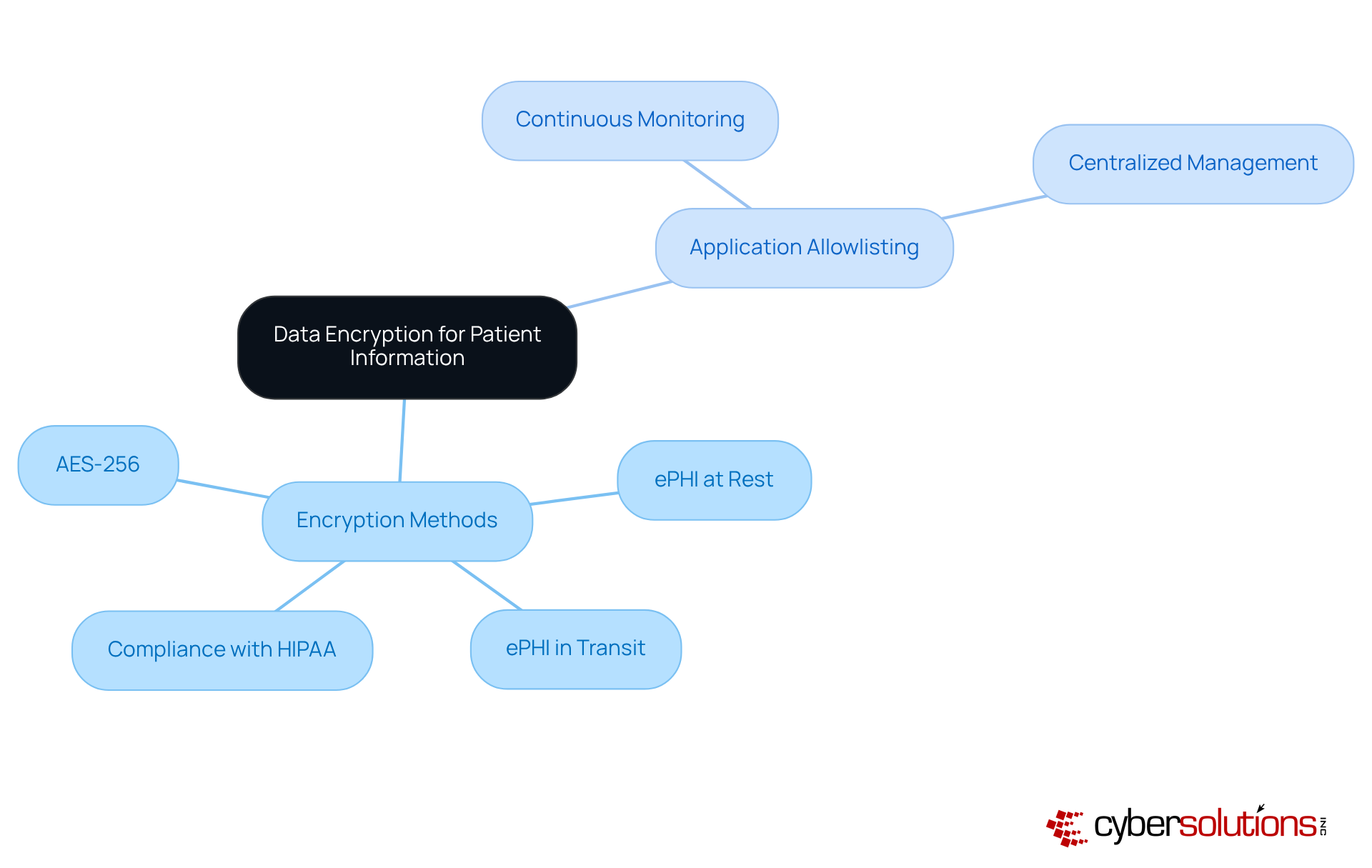
Data encryption is crucial for safeguarding patient information against unauthorized access. By applying encryption for electronic Protected Health Information (ePHI) both at rest and in transit, healthcare organizations can uphold the confidentiality of sensitive information.
In 2025, it is anticipated that hacking and IT incidents will represent over 79% of data breaches, underscoring the necessity for strong encryption methods, such as AES-256, to protect patient information, ensuring confidentiality and significantly reducing the risk of breaches.
Notably, entities that implement AES-256 encryption have reported fewer data breaches, demonstrating the effectiveness of this encryption standard in safeguarding patient information. Moreover, application allowlisting acts as a vital layer of defense, proactively preventing unauthorized applications from executing and thereby diminishing the attack surface.
This dual approach of encryption and allowlisting, which includes features like continuous monitoring and centralized management, not only fortifies information protection but also enhances compliance, including HIPAA technical safeguards.
With the average cost of a data breach reaching $7.42 million, it is imperative for organizations to regularly review their encryption protocols and application allowlists to ensure compliance and security.
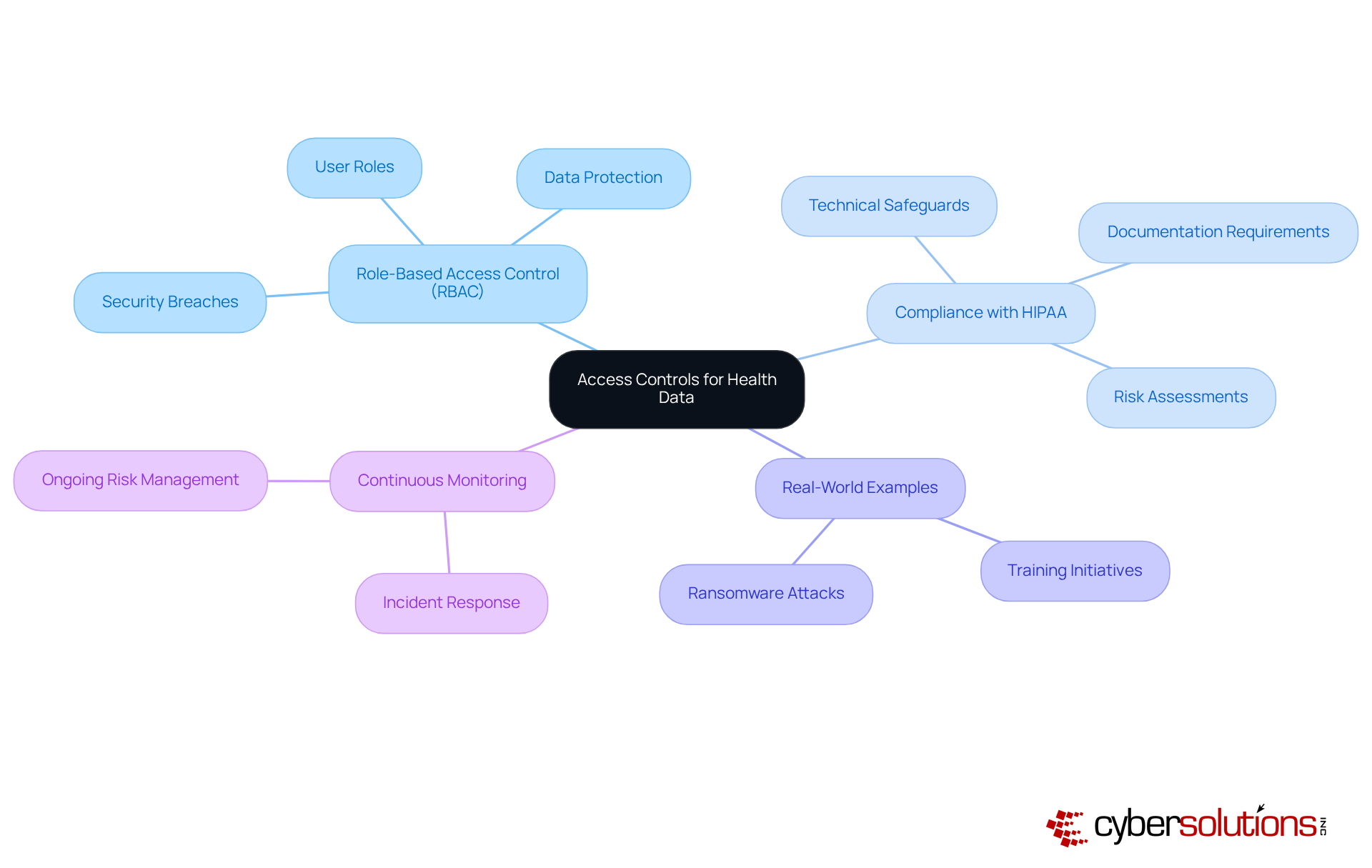
Access controls, as part of security measures, are paramount for compliance, safeguarding sensitive health information by ensuring that only authorized personnel can access it. Cyber Solutions employs role-based access control (RBAC), which restricts access based on specific user roles. This focused approach guarantees that employees receive only the information essential for their job functions, significantly reducing the risk of security breaches. Statistics reveal that inadequate access controls have contributed to numerous incidents, including the 585,621 individuals affected by Comstar, LLC's ransomware attack.
Implementing RBAC not only enhances data protection but also aligns with best practices. Organizations adopting RBAC report improved security and a reduction in unauthorized access incidents, supported by industry research. Real-world examples underscore the effectiveness of RBAC: healthcare providers that implemented these controls experienced a marked decline in data breaches, reinforcing the critical importance of access management in electronic protected health information (ePHI).
In a recent case study, a healthcare provider fell victim to a ransomware attack that compromised their systems. In the aftermath, staff underwent immediate training on identifying suspicious emails and maintaining proper cybersecurity hygiene. Remarkably, the provider's 4,500 endpoints were restored within two weeks, far quicker than initial projections, enabling essential operations to resume with minimal downtime. This incident underscored the necessity of cybersecurity training, highlighting a proactive stance against future threats.
Industry leaders stress the importance of robust access controls, asserting that they are vital for preserving the integrity and confidentiality of health data. A designated Protection Official must be appointed to formulate and implement safety policies, ensuring compliance and overseeing risk assessments. By prioritizing security measures and conducting regular risk evaluations, healthcare organizations can adeptly navigate the complexities of HIPAA adherence while ensuring the implementation of safeguards to protect sensitive information. Cyber Solutions offers expert guidance and resources to bolster these initiatives.
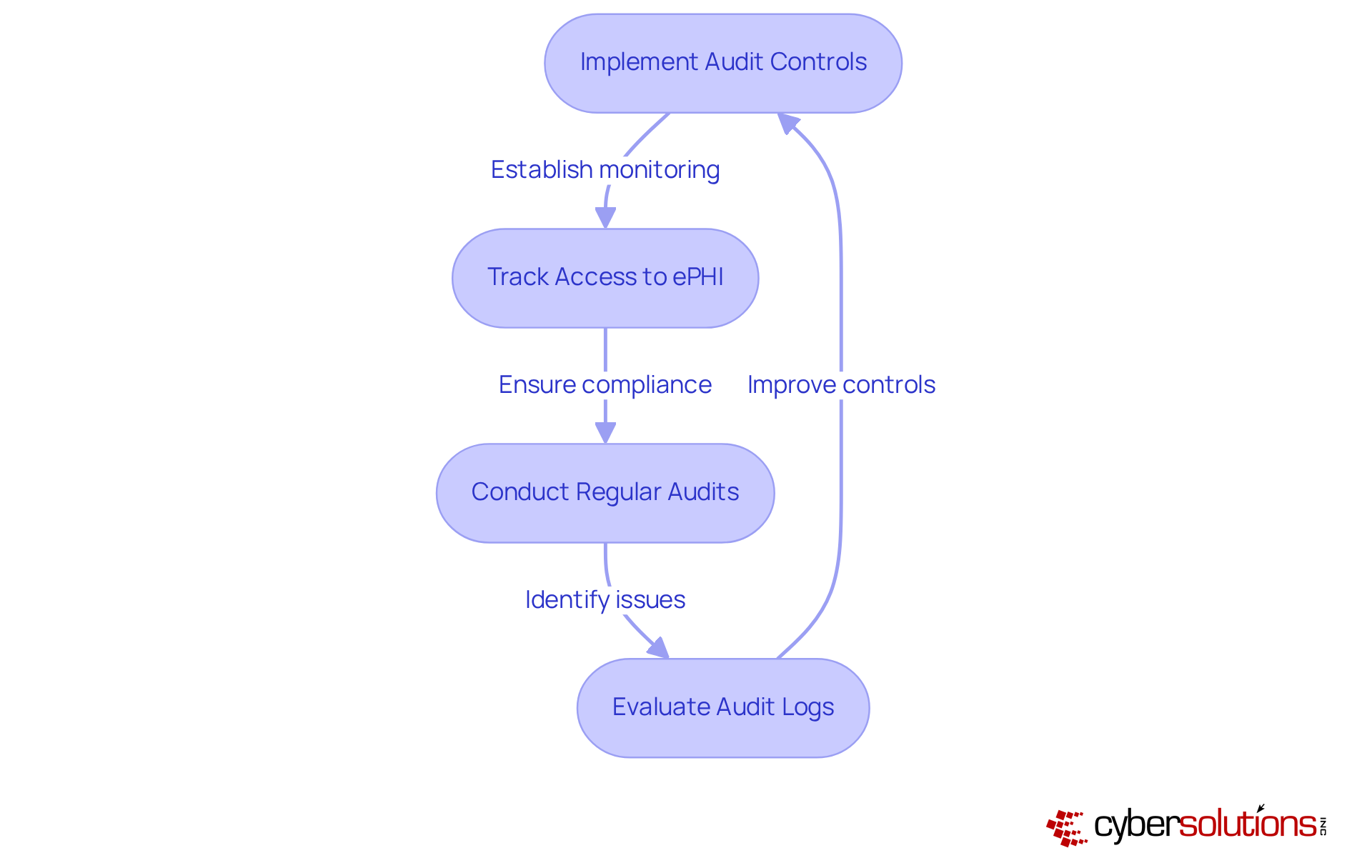
In the rapidly evolving landscape of healthcare, the importance of audit controls cannot be overstated. Audit controls are essential for effectively monitoring access to electronic Protected Health Information (ePHI). Cyber Solutions Inc. offers advanced solutions that meticulously track who accesses sensitive data and when. This capability empowers healthcare entities to conduct audits, which are crucial for detecting unauthorized access and ensuring compliance.
Consider the significance of audit logs—they serve as a vital record of access, detailing who accessed what information, when, and for how long. This level of scrutiny not only aids in compliance but also plays a pivotal role in protecting patient privacy. Regular evaluations of these logs are indispensable, as they provide proof of adherence during audits and investigations.
Moreover, organizations that implement robust audit controls can significantly enhance security by adhering to HIPAA technical safeguards. A notable example is the University of Pittsburgh Medical Center, where remote patient monitoring initiatives led to a remarkable 76% reduction in readmission rates and increased patient satisfaction scores. As the healthcare landscape continues to evolve, integrating effective audit controls will remain a cornerstone of patient safety and maintaining regulatory compliance.
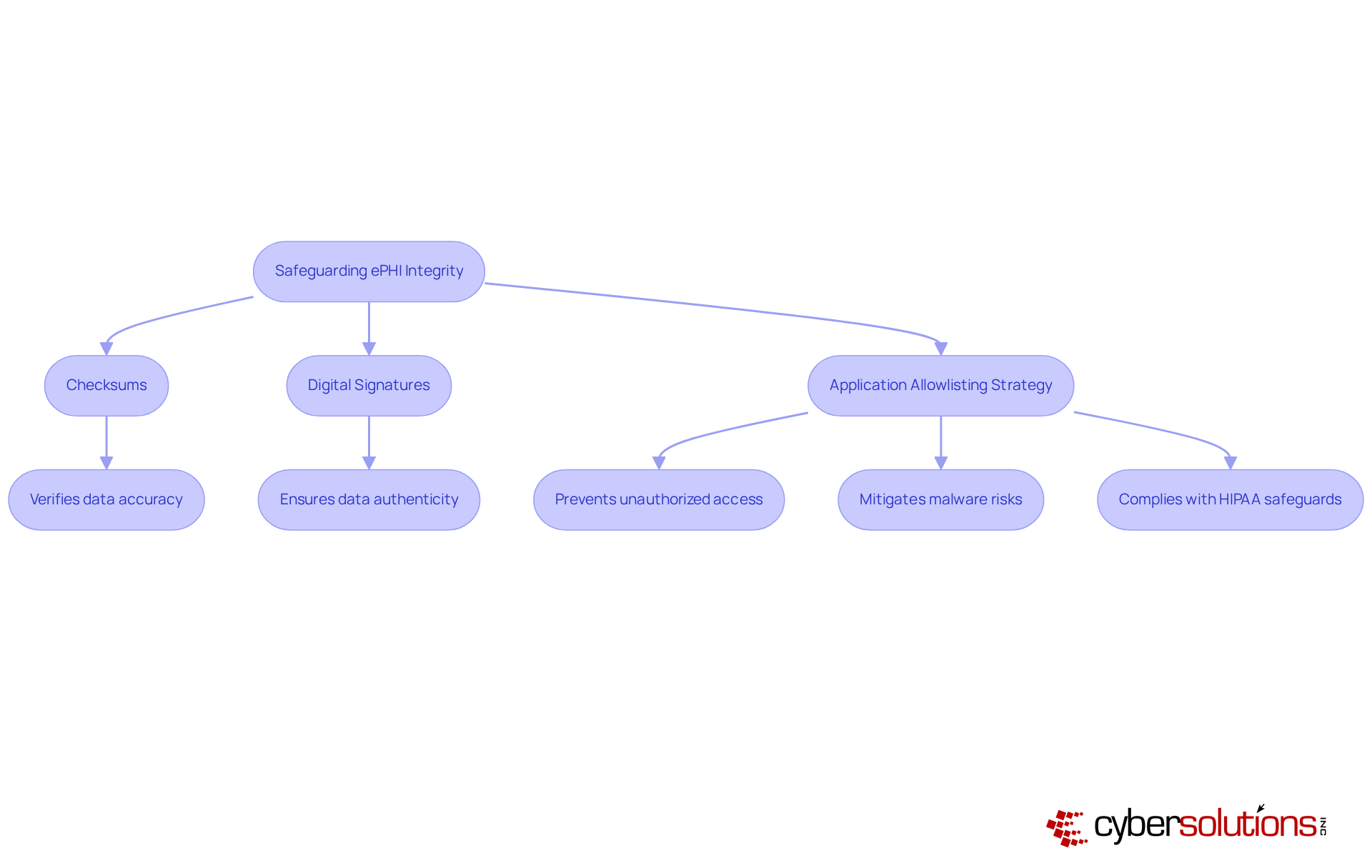
In today's healthcare landscape, the integrity of electronic Protected Health Information (ePHI) is paramount. Controls are essential to ensure that ePHI remains accurate and unaltered. Technology implements robust mechanisms, including:
to verify the integrity of health information. Furthermore, security is crucial in this endeavor, as it prevents unauthorized or malicious applications from executing, thereby protecting patient data. This proactive strategy not only mitigates the risk of data breaches but also aids organizations in maintaining compliance, ensuring that patient information is both reliable and trustworthy.
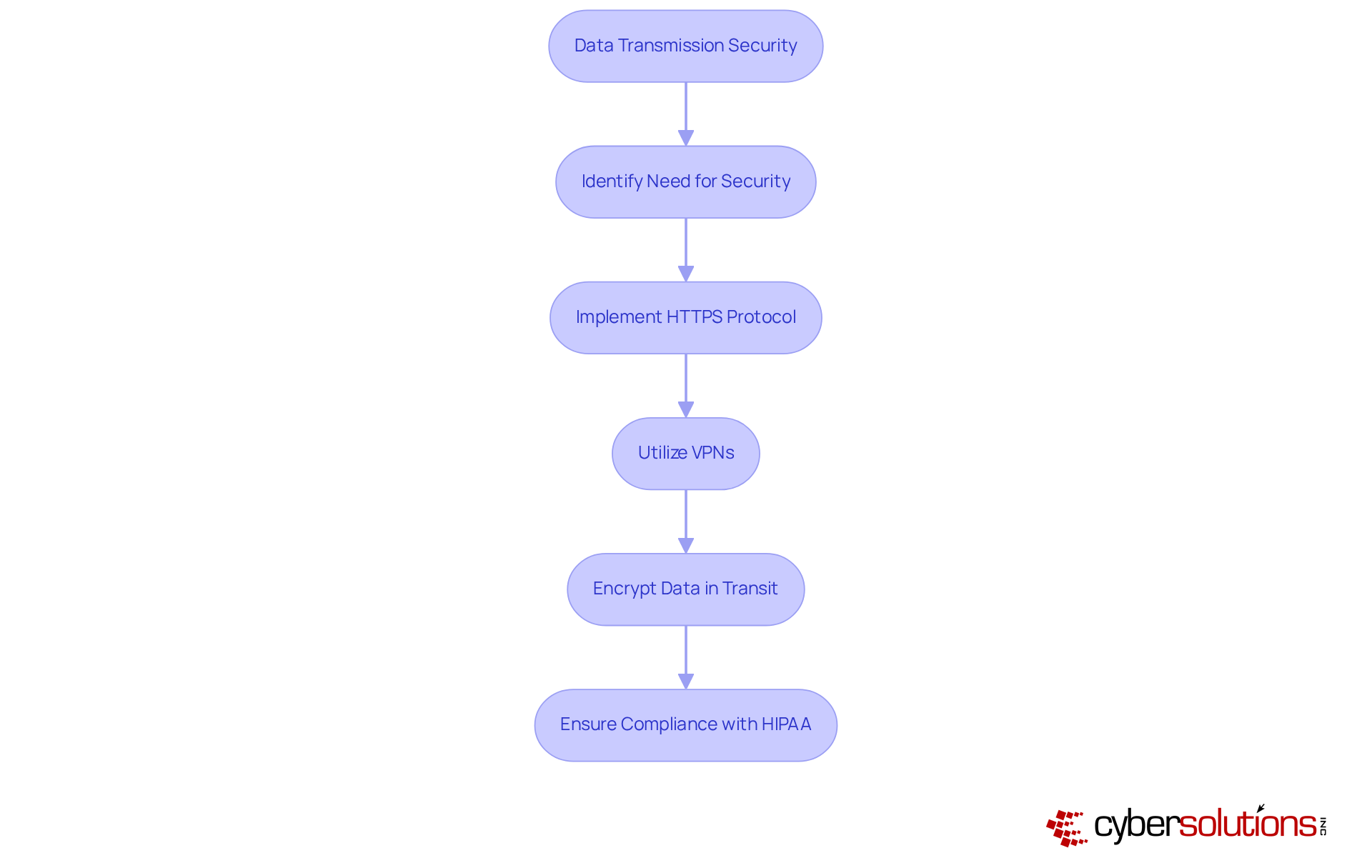
Transmission security is critical for safeguarding electronic data during information transfers. With a staggering increase in data breaches in the past year, the urgent need for security measures cannot be overstated.
Technologies such as HTTPS and Virtual Private Networks (VPNs) to encrypt information in transit, effectively shielding sensitive material from interception. These protocols not only comply with regulations but also incorporate HIPAA technical safeguards to ensure that patient information remains confidential during electronic communications.
Experts underscore the necessity of encryption; as one cybersecurity authority states, 'ePHI should be encrypted at rest and in transit to prevent unauthorized access.' By implementing these secure protocols, organizations can significantly reduce the risk of data breaches and enhance their overall security posture.
Security awareness training is not just a requirement; it is a cornerstone of compliance and vital for the implementation of safeguards to protect electronic protected health information (ePHI). Cyber Solutions Inc. provides comprehensive training programs designed to equip staff with the skills necessary to identify potential risks and understand their responsibilities in protecting confidential information. By cultivating an environment of awareness, organizations can significantly reduce vulnerabilities, which are often exacerbated by human errors.
Statistics reveal that over 70% of healthcare organizations are now prioritizing security awareness, recognizing its vital role in compliance and risk management. Effective training programs encompass not only the fundamentals of HIPAA regulations but also practical scenarios that enhance employees' capabilities to respond to real-world threats, particularly through the application of best practices.
Industry leaders underscore the importance of ongoing training, with many recommending annual refreshers to keep staff informed about evolving threats. As one specialist noted, "Establishing a safety awareness and training initiative for all employees is essential for ensuring adherence and safeguarding patient information." By prioritizing security awareness, healthcare entities can build a robust defense against breaches, ultimately protecting their operations and reputation.
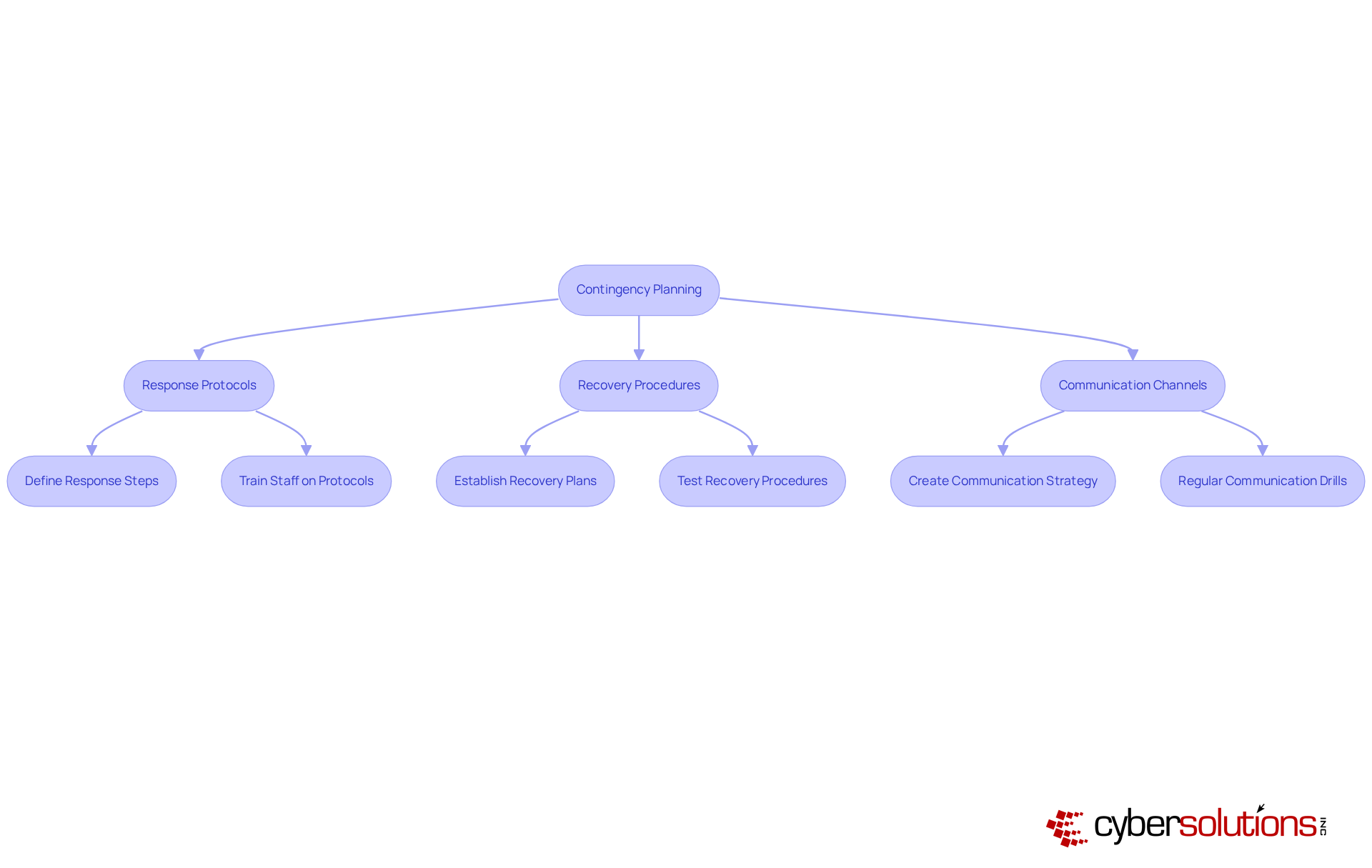
Contingency planning is essential for healthcare entities to effectively prepare for potential data breaches and emergencies. A significant percentage of healthcare organizations have recognized the critical need for robust strategies that not only comply with regulations but also include best practices to ensure the safety of patient information.
Cyber Solutions Inc. plays a pivotal role in assisting these entities in developing plans that encompass:
This proactive approach mitigates the impact of crises, ensuring that organizations can swiftly navigate challenges while maintaining compliance. As emphasized by industry experts, having a well-defined plan is vital; it enables healthcare entities to respond effectively to incidents, thereby minimizing operational disruptions and enhancing overall resilience.
For instance, organizations that implement structured contingency plans along with regular training can significantly reduce risks associated with data breaches, demonstrating a commitment to protecting sensitive patient information and upholding trust within the healthcare community.
Immediate action and specialized expertise are crucial in crisis management, as illustrated by successful case studies where rapid deployment and a structured response plan led to effective threat containment and recovery.
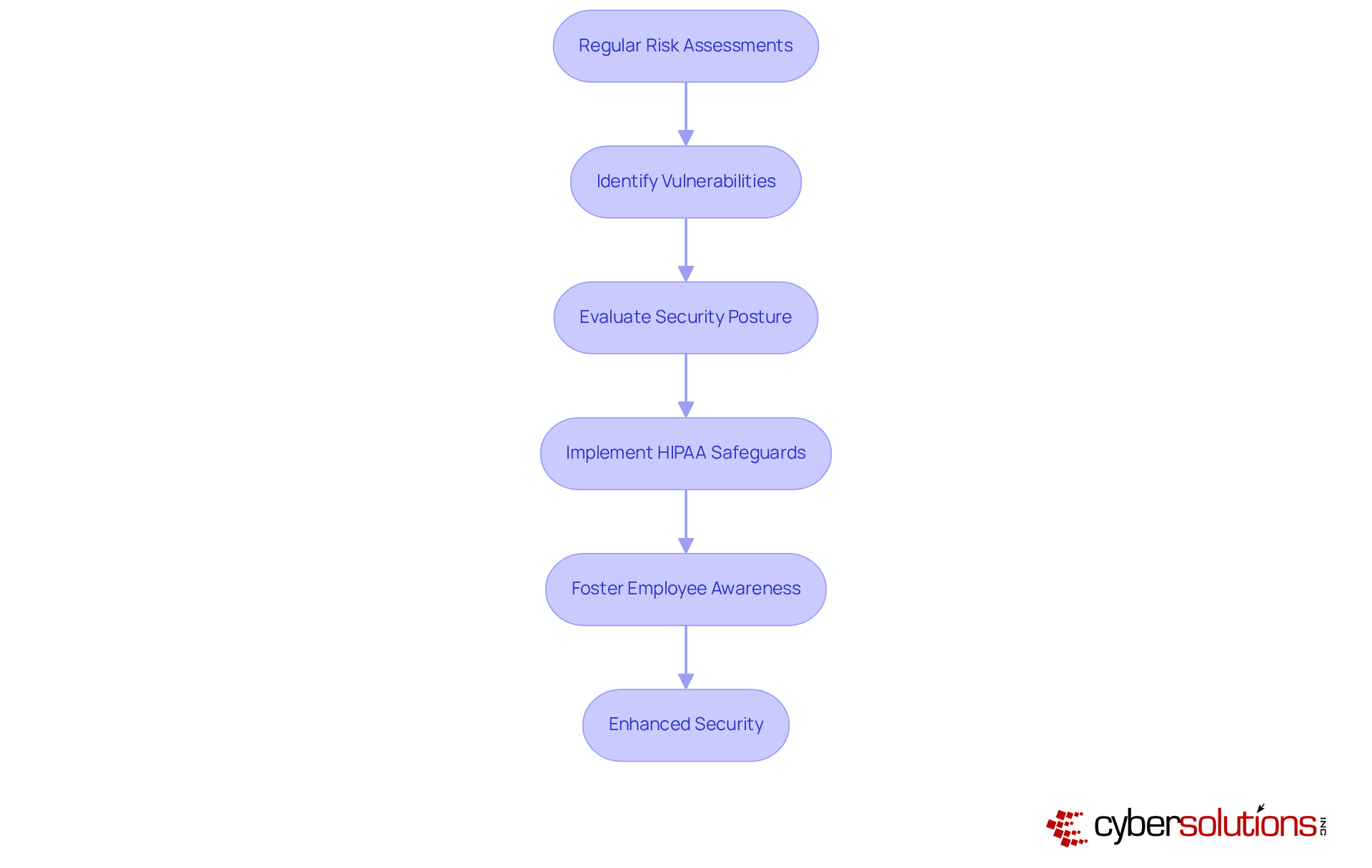
In today's digital landscape, regular risk evaluations are paramount for identifying vulnerabilities in health data security, particularly regarding compliance. Alarmingly, statistics reveal that only a fraction of healthcare entities consistently conduct these evaluations, leaving many exposed to potential breaches. Cyber Solutions Inc. specializes in assessments that meticulously evaluate a firm's security posture, pinpointing areas that require improvement. By implementing these assessments, organizations not only achieve compliance but also proactively address security threats using best practices.
Industry leaders emphasize that fostering a culture of security awareness and training against phishing attempts are critical components of a robust security strategy. As highlighted by CISA, neglecting to report such incidents can severely hinder a company's ability to respond effectively. Furthermore, regular risk assessments act as a foundational element for uncovering vulnerabilities, empowering organizations to adopt a proactive approach with enhanced security measures.
Organizations that have woven regular risk assessments into their operational protocols have reported substantial enhancements in their overall safety frameworks. This not only underscores the effectiveness of this approach in mitigating risks but also reinforces trust within the healthcare ecosystem. Are you ready to fortify your organization against data breaches? Embrace the power of regular risk assessments and take the first step towards a more secure future.
Effective vendor management is paramount for ensuring compliance across all partners. Organizations must establish thorough assessment and oversight procedures to guarantee that vendors adhere to stringent safety standards. Notably, 72% of healthcare entities recognize that comprehensive vendor management significantly reduces legal, financial, and reputational risks. By implementing best practices such as regular security assessments and mandating Business Associate Agreements (BAAs), entities can effectively mitigate risks associated with third-party access to electronic Protected Health Information (ePHI).
Cyber Solutions plays a pivotal role in assisting companies with these assessments, ensuring that vendors are not only compliant but also capable of safeguarding sensitive data. With a robust array of services that include risk management and threat detection, Cyber Solutions facilitates adherence through integrated policies and tools, aiding entities in remaining audit-ready. Continuous monitoring and periodic audits are essential, given that 60% of companies lack a comprehensive list of all third parties with whom they share sensitive information, revealing a critical gap in vendor oversight.
Cybersecurity specialists emphasize that managing vendor connections has become a fundamental aspect of compliance, particularly in relation to HIPAA technical safeguards, as healthcare entities increasingly rely on third parties for essential services. As Kevin Henry aptly notes, "Managing vendor relationships is now a fundamental aspect of HIPAA adherence, as healthcare entities increasingly depend on third parties for essential services." By prioritizing security measures and utilizing automated risk assessment tools, organizations can bolster their security posture and ensure compliance with HIPAA technical safeguards, ultimately safeguarding patient data and maintaining trust. Moreover, the significance of contingency planning, including incident response strategies, cannot be overstated in minimizing damage and ensuring a swift recovery from potential breaches.

In the realm of healthcare, safeguarding sensitive patient information transcends mere regulatory compliance; it is a fundamental responsibility that C-suite leaders must prioritize. The implementation of HIPAA technical safeguards is crucial for ensuring compliance and protecting electronic Protected Health Information (ePHI). By understanding and employing these vital measures, healthcare executives can significantly bolster their organization’s cybersecurity posture, ultimately fostering trust and integrity within the healthcare system.
This article outlines ten essential HIPAA technical safeguards that every healthcare leader should consider:
These safeguards collectively form a defense against the ever-evolving landscape of cyber threats. Each safeguard not only fulfills regulatory obligations but also contributes to a culture of safety and accountability within healthcare organizations.
As cyber threats continue to rise, the urgency for healthcare leaders to adopt a proactive approach to HIPAA compliance cannot be overstated. Embracing these technical safeguards is not merely about avoiding penalties; it is about safeguarding patient privacy, enhancing operational resilience, and maintaining the trust of the communities served. By prioritizing cybersecurity measures and fostering a culture of awareness, healthcare executives can lead their organizations toward a more secure and compliant future, ultimately ensuring that patient care remains at the forefront of their mission.
What is the primary focus of Cyber Solutions Inc. in relation to healthcare cybersecurity?
Cyber Solutions Inc. focuses on providing comprehensive endpoint protection services essential for maintaining HIPAA compliance, including advanced threat detection, application allowlisting, and securing devices that access sensitive health information.
Why is application allowlisting important for healthcare organizations?
Application allowlisting is crucial as it proactively prevents unauthorized software from executing, thereby reducing the risk of malware, ransomware, and zero-day attacks, which helps in maintaining the security of electronic protected health information (ePHI).
What percentage of healthcare entities are employing endpoint protection services?
Approximately 70% of healthcare entities are now utilizing endpoint protection services to enhance their cybersecurity measures.
How does data encryption contribute to patient information security?
Data encryption safeguards electronic Protected Health Information (ePHI) both at rest and in transit, ensuring confidentiality and compliance with HIPAA standards, thus significantly reducing the risk of unauthorized access.
What encryption standard does Cyber Solutions employ to protect patient information?
Cyber Solutions employs industry-standard AES-256 encryption methods to protect patient information, which has been shown to enhance protective measures and reduce breaches.
What are role-based access controls (RBAC) and why are they important?
Role-based access controls (RBAC) are a method of restricting access based on specific user roles, ensuring that only authorized personnel can access sensitive health information, which reduces the risk of security breaches and enhances HIPAA compliance.
What are the consequences of inadequate access controls in healthcare?
Inadequate access controls can lead to significant security incidents, such as the ransomware attack affecting 585,621 individuals, highlighting the necessity for robust access management.
How can healthcare organizations improve their compliance with HIPAA requirements?
By implementing RBAC, conducting regular risk evaluations, and appointing a designated Protection Official to oversee safety policies and compliance, healthcare organizations can improve their adherence to HIPAA requirements.
What is the average cost of a healthcare breach, and why is this significant?
The average cost of a healthcare breach is approximately $7.42 million, making it imperative for organizations to regularly review their encryption protocols and application allowlists to ensure compliance and security.
How does Cyber Solutions assist healthcare organizations in cybersecurity?
Cyber Solutions provides expert guidance, proactive risk management, and comprehensive cybersecurity services to help healthcare organizations navigate HIPAA compliance and effectively protect sensitive information.
Managed IT Service Provider | Cyber Security | Incident Response | Compliance As A Service | Hosted Phone Service | Managed Security Service Provider | AI As A Service