Introduction
In an era where cyber threats are evolving at an unprecedented pace, the importance of robust cybersecurity measures cannot be overstated. For C-suite leaders, understanding the myriad benefits of Security as a Service (SECaaS) is crucial—not only for safeguarding their organizations but also for driving operational efficiency and financial success. This article delves into ten compelling advantages of SECaaS, revealing how tailored cloud solutions can enhance security, streamline compliance, and ultimately empower businesses to thrive in a digital-first world. As organizations navigate the complexities of modern cybersecurity, one must consider: how can embracing SECaaS transform their approach to risk management and resilience?
Cyber Solutions Inc.: Tailored Security as a Service for Modern Businesses
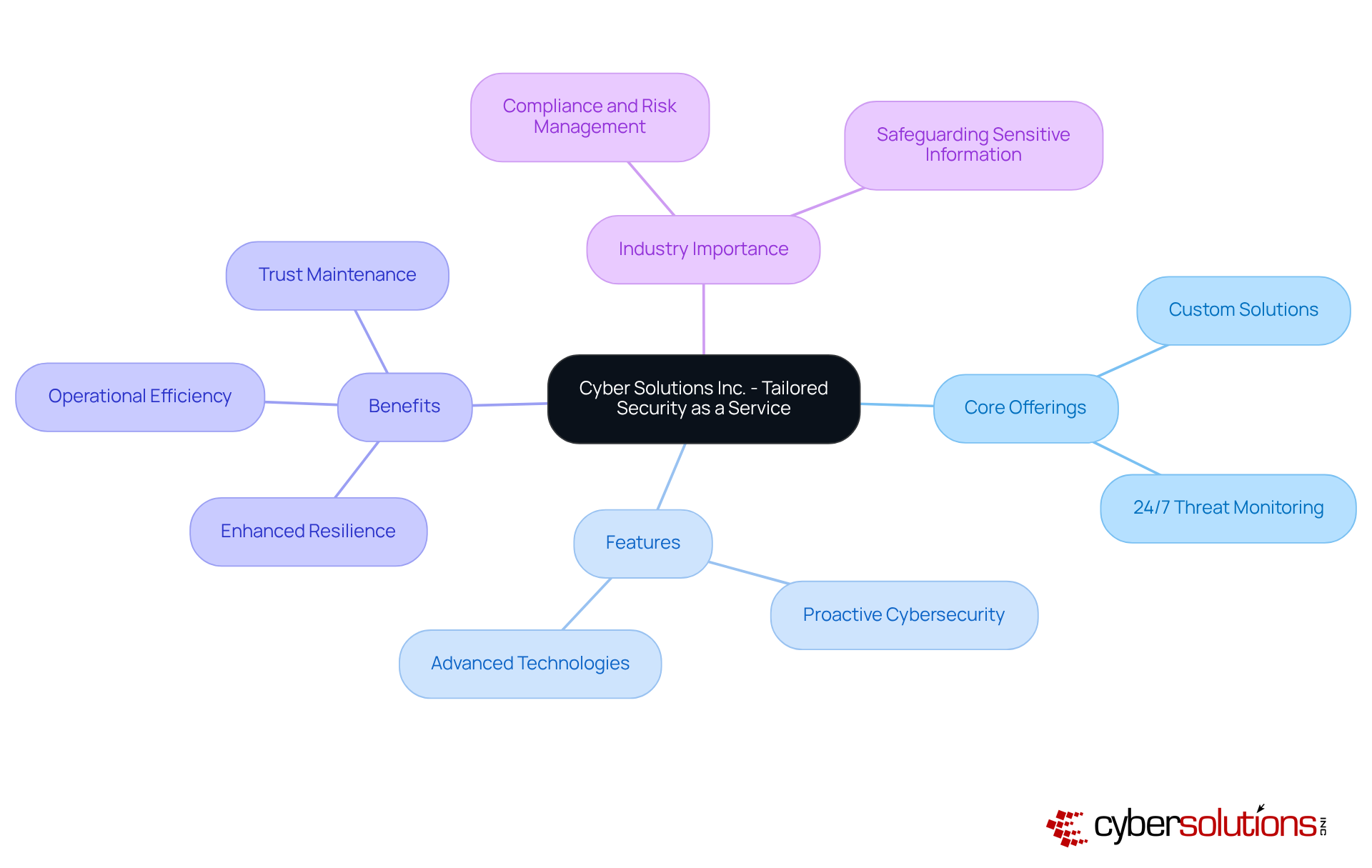
In today's digital landscape, cybersecurity is not just an option; it’s a necessity for healthcare organizations. Cyber Solutions Inc. excels in delivering customized security solutions tailored to the specific needs of contemporary businesses. By leveraging advanced technologies and extensive industry knowledge, the company empowers organizations to concentrate on their core operations while ensuring robust protective measures are firmly in place. This personalized approach not only strengthens security protocols but also aligns seamlessly with the financial objectives of businesses, facilitating compliance in an increasingly regulated environment.
Central to Cyber Solutions' offerings is proactive threat detection, a critical feature that ensures suspicious activities are detected and neutralized before they escalate into serious threats. This safeguards businesses from ransomware, phishing, and various malware attacks, significantly enhancing security and data protection. Organizations that have embraced security as a service cloud, particularly in the healthcare and finance sectors, report improved resilience against cyberattacks, enabling them to maintain trust with clients and stakeholders.
Industry leaders emphasize the vital importance of cybersecurity. As Ronak Massand, CEO of Adaptive, aptly states, "Data is the most critical asset that must be protected," highlighting that tailored solutions are essential for safeguarding sensitive information. By focusing on specific vulnerabilities and compliance requirements, customized protective services not only enhance safety but also streamline business processes, empowering companies to thrive in a digital-first environment.
Scalability: Adapting Security as a Service to Business Growth
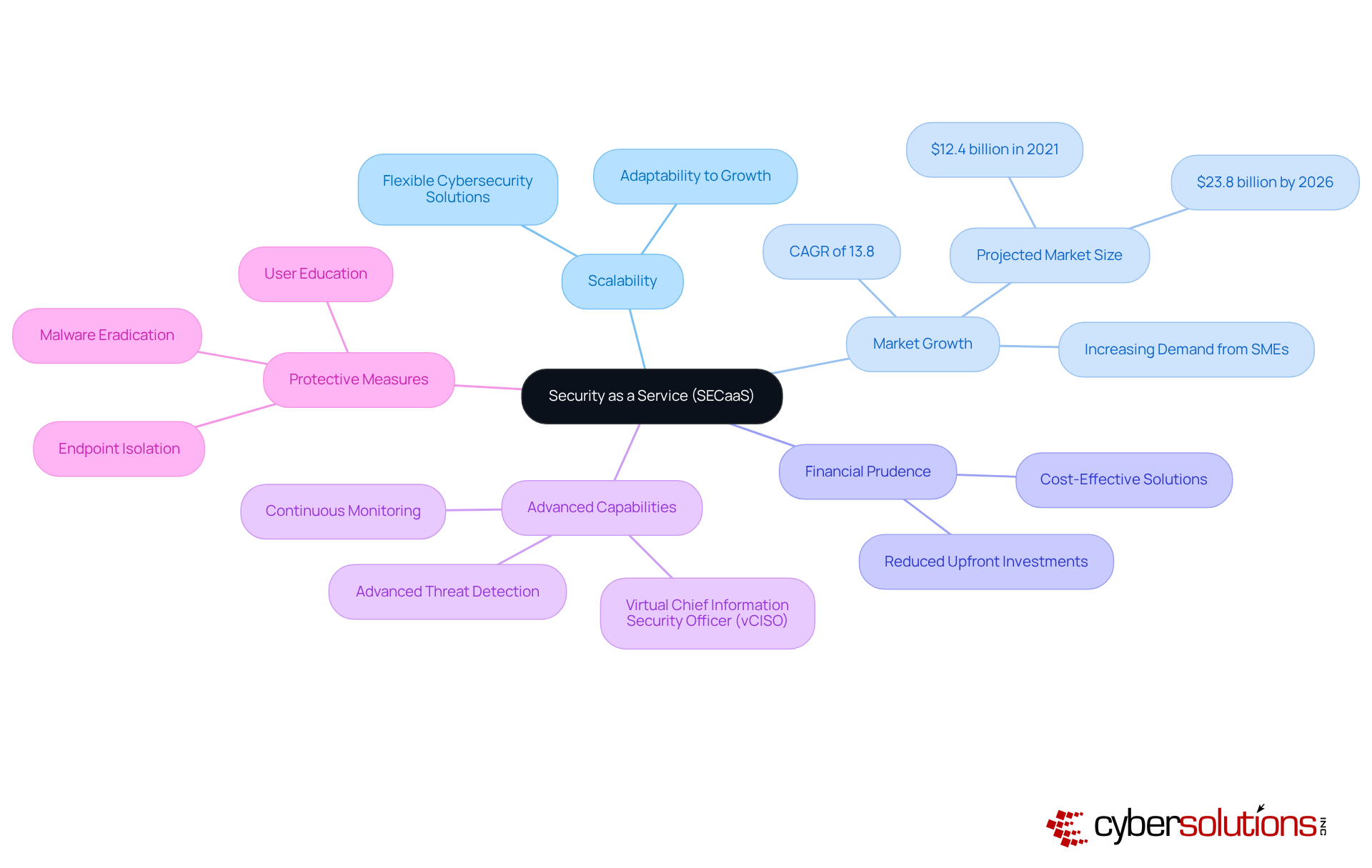
A fundamental advantage of Security as a Service is its inherent scalability, which is crucial for organizations experiencing growth. As companies expand, their security requirements become increasingly complex, necessitating a tailored approach. Security-as-a-Service solutions are designed to evolve alongside business operations, allowing organizations to adjust their protective measures seamlessly in response to emerging threats. This adaptability not only safeguards sensitive data but also removes the necessity for extensive infrastructure, rendering it a financially prudent option.
Data reveals that the global Security as a Service market is anticipated to surge from $12.4 billion in 2021 to $23.8 billion by 2026, reflecting a compound annual growth rate (CAGR) of 13.8%. This expansion is driven by the increasing demand for cybersecurity solutions, particularly among small and medium-sized enterprises (SMEs) that are modernizing their operations. For example, organizations utilizing SECaaS have reported compliance with regulatory standards, illustrating the effectiveness of these solutions in adapting to shifting security needs.
Experts emphasize that as companies grow, integrating security measures becomes imperative. Continuous monitoring guarantees that suspicious activities are identified and mitigated before they escalate into threats, thereby protecting businesses against ransomware, phishing, and other forms of malware attacks. A virtual Chief Information Security Officer (vCISO) can provide strategic oversight without the expense of a full-time employee, further showcasing how Security as a Service can meet the evolving demands of expanding organizations. Additionally, the service encompasses vital components such as endpoint isolation, malware eradication, and user education, which are essential for maintaining robust security frameworks. By adopting a proactive security strategy, organizations can ensure that their protective systems remain resilient and agile, shielding their operations from the challenges posed by contemporary cyber threats.
Cost-Effectiveness: Maximizing ROI with Security as a Service
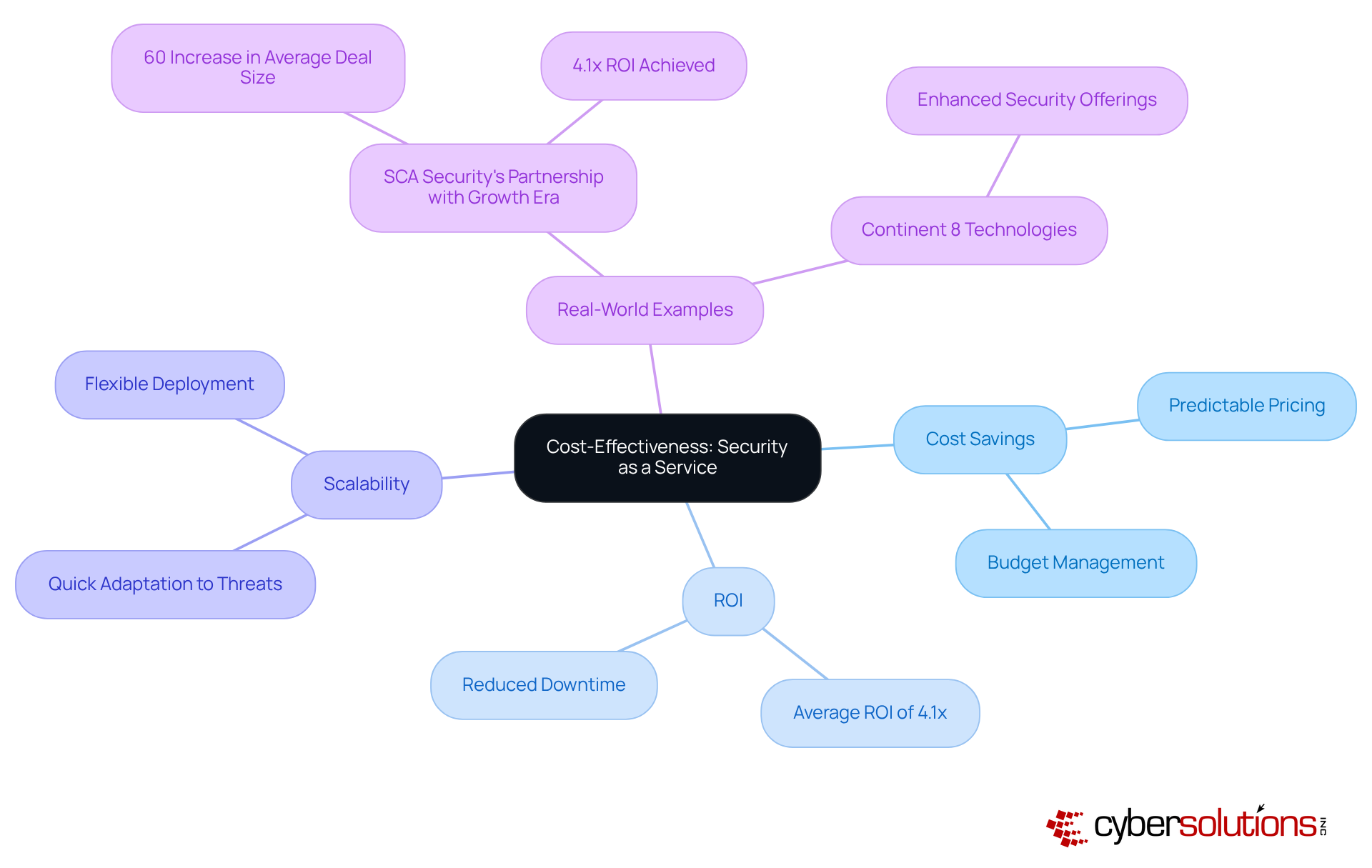
In today's digital landscape, cybersecurity is not just a necessity; it is a priority for organizations aiming to safeguard their assets and reputation. Security as a Service presents a financially prudent approach for companies seeking to bolster their defenses without incurring the substantial costs typical of traditional safety frameworks. By adopting this model, organizations can benefit from cost-effective solutions, facilitating more effective budget management.
This strategic transition not only enhances financial planning but also maximizes returns through reduced downtime and improved operational efficiency. Statistics reveal that businesses utilizing Security as a Service can achieve significant cost savings while accessing expert protective resources. For instance, firms that have embraced this model report an average ROI of 4.1 times their investment, underscoring the value of this approach.
Moreover, organizations can swiftly scale their security measures, adapting to emerging threats without the additional costs associated with on-premises solutions. Real-world examples illustrate the efficacy of Security as a Service in optimizing ROI. Companies like SCA Security have successfully collaborated with sales development firms to enhance operational efficiency, leading to a stronger market position and a steady pipeline of opportunities. This collaboration not only refined their sales processes but also empowered their Account Executives (AEs) to concentrate on closing deals rather than prospecting, thereby optimizing resource allocation.
In conclusion, Security as a Service not only delivers cost savings but also enables enterprises to reap significant benefits. This makes it an essential consideration for C-suite executives focused on maximizing efficiency and ensuring long-term operational success.
Proactive Threat Detection: Enhancing Security with Real-Time Monitoring
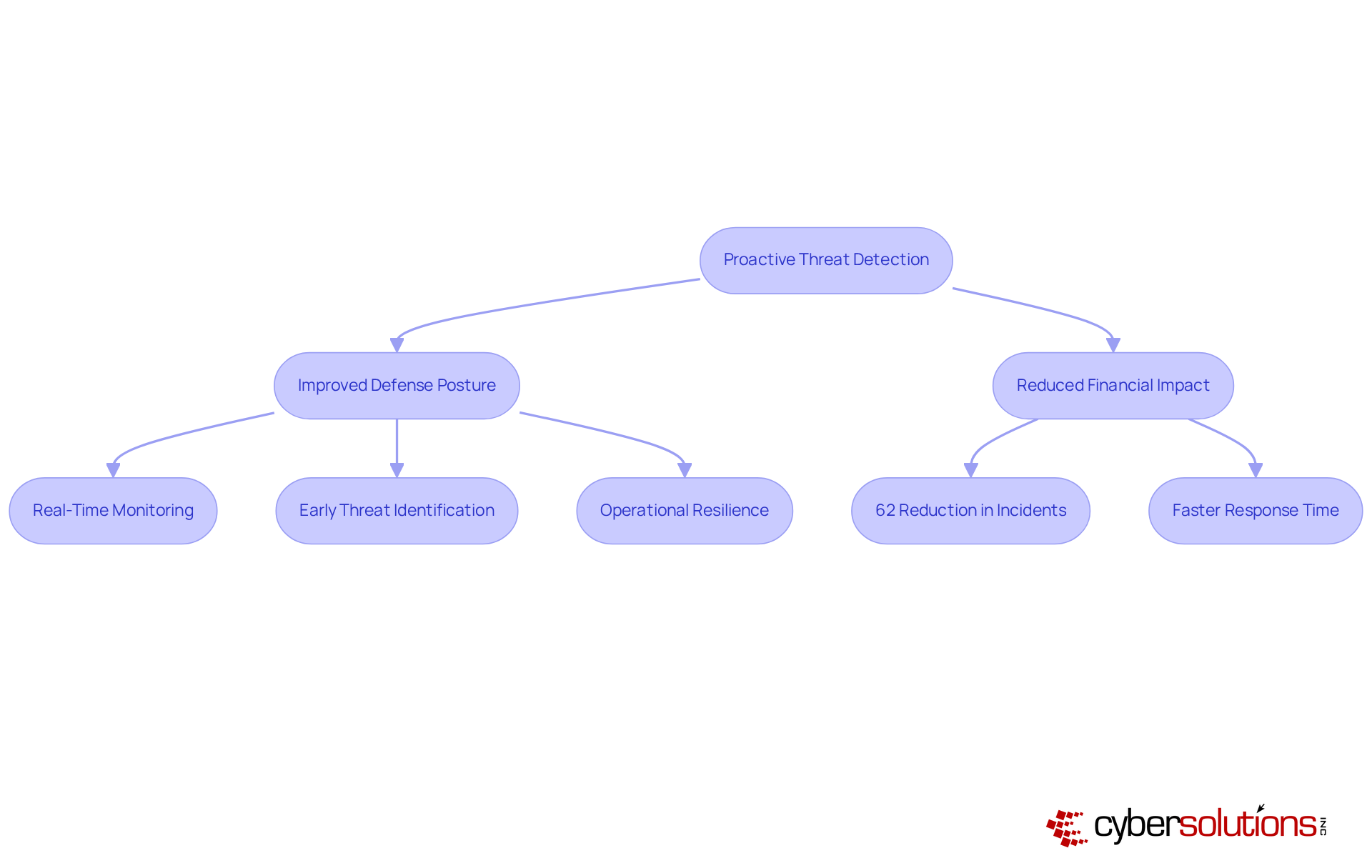
Proactive risk detection is not just beneficial; it is essential to Security as a Service (SECaaS). This approach empowers providers to leverage technology, enabling them to recognize and address potential threats before they escalate into serious safety incidents. The advantages of this proactive stance are twofold: it not only fortifies a company's overall defense posture but also significantly reduces the risk of data breaches. For instance, entities utilizing SECaaS report a remarkable 62% reduction in incidents annually, underscoring the tangible benefits of early threat identification.
Experts in the field stress the critical role of proactive monitoring. Cybersecurity professionals assert that constant vigilance allows organizations to swiftly detect anomalies and unauthorized access attempts, thereby bolstering operational resilience. The statistics speak volumes: the average response time for MDR services is approximately three hours, in stark contrast to the 66 hours typically required by in-house security teams. This discrepancy highlights the efficiency gained through outsourcing.
Recent trends in cybersecurity further underscore the necessity of proactive threat detection. With the rise of sophisticated cyber attacks, organizations are increasingly recognizing the significance of real-time monitoring. This shift is driven by the urgent need for effective security measures, especially as cyber threats continue to evolve.
Practical examples illustrate the effectiveness of proactive monitoring in enhancing safety. Healthcare organizations, for instance, have fortified the protection of electronic health records through continuous monitoring. This not only safeguards sensitive information but also ensures compliance with regulations. As entities navigate the complexities of modern cyber threats, proactive threat detection is crucial for protecting their assets and maintaining operational integrity. Organizations must consider adopting SECaaS to strengthen their security posture.
Compliance Management: Simplifying Regulatory Adherence with Security as a Service
Security as a Service significantly streamlines compliance management, equipping businesses with essential tools and knowledge to meet various regulations. Many providers of Security as a Service incorporate Compliance as a Service (CaaS) into their offerings, which is crucial for helping businesses navigate complex regulations such as HIPAA, PCI DSS, and GDPR. This strategy alleviates the burden on internal teams, enabling them to concentrate on core operations while enhancing security and reducing the risk of non-compliance.
Entities utilizing CaaS have reported improvements, with 71% noting improvements in their security and compliance posture. Moreover, 89% of users experienced a quicker time-to-compliance across different frameworks, underscoring the effectiveness of Security as a Service solutions.
Experts stress the significance of proactive compliance management. Rick Stevenson, Manager of Compliance Advisory Services, asserts that organizations can substantially diminish risks by identifying vulnerabilities before they escalate into compliance issues. This proactive stance is vital, particularly given that 54% of data breaches involve human factors, highlighting the necessity for comprehensive training and awareness programs.
The financial implications are considerable, with the global average cost of a data breach projected to reach $4.88 million in 2024. By adopting Security as a Service, companies not only enhance their compliance initiatives but also protect themselves from the severe financial consequences associated with regulatory failures.
In conclusion, Security as a Service, particularly through Compliance as a Service, empowers organizations to effectively manage the complexities of regulatory adherence, ensuring compliance while minimizing operational disruptions.

Flexibility: Customizing Security Solutions for Unique Business Needs
In today's digital landscape, the importance of security cannot be overstated. A major benefit of Security as a Service lies in its built-in adaptability, allowing providers to customize solutions to the distinctive needs of each organization. This customization ensures that businesses receive essential safeguarding without the burden of unnecessary features, enhancing the relevance and overall effectiveness of their protective measures. For instance, healthcare entities can implement tailored solutions to meet stringent regulations like HIPAA, integrating robust cybersecurity measures that encompass patient data protection, comprehensive audit support, and virtual CISO services. This strategic approach safeguards PHI against unauthorized access and breaches.
Industry leaders emphasize the critical nature of this customization. As one expert aptly noted, 'Cybersecurity isn’t just about avoiding risk — it’s about creating a secure environment.' This statement underscores the necessity for solutions that align with specific business contexts. Furthermore, evidence suggests that organizations utilizing tailored solutions experience a notable enhancement in their protective stance, with numerous reports indicating increased security and improved adherence to regulatory standards. The flexibility of Security as a Service further fortifies this approach by proactively preventing malware and unauthorized software from executing, thereby minimizing vulnerabilities and ensuring compliance with regulations like HIPAA.
This flexibility not only empowers organizations to address their immediate protection challenges but also equips them for enduring resilience in a constantly evolving risk environment.

Advanced Technologies: Leveraging Innovation in Security as a Service
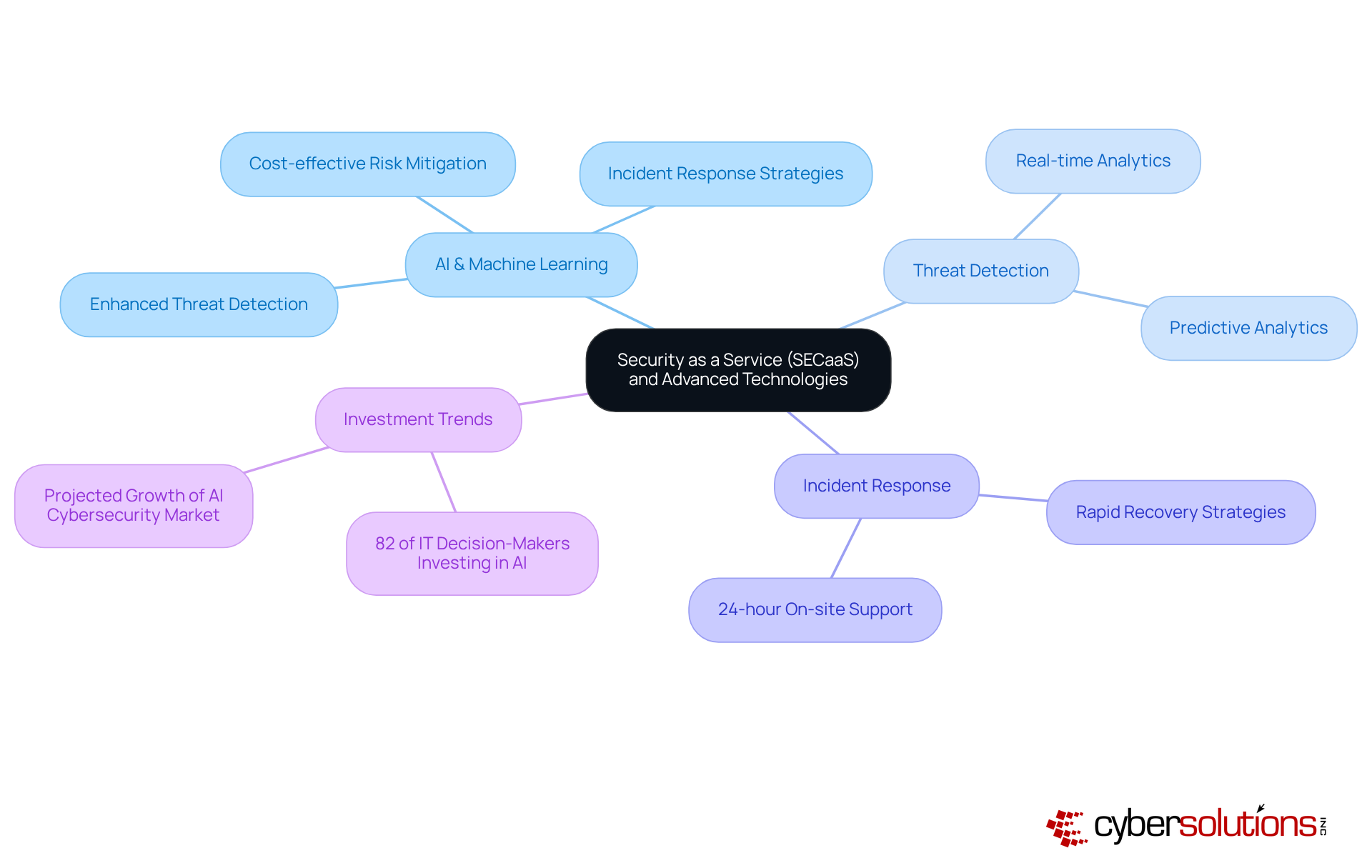
Security as a Service (SECaaS) leverages advanced technologies to deliver tailored solutions for modern enterprises. By integrating artificial intelligence (AI) and machine learning, SECaaS providers significantly enhance threat detection capabilities, streamline processes, and elevate overall security efficiency. For example, AI-driven analytics can dramatically shorten detection windows, potentially saving organizations millions in breach costs. Looking ahead to 2025, those organizations that effectively incorporate AI into their cybersecurity strategies will secure a competitive advantage in managing emerging risks, especially as AI-powered attacks grow increasingly sophisticated.
Moreover, the deployment of machine learning algorithms facilitates continuous improvement in threat detection, adapting to new attack vectors in real-time. This proactive methodology not only strengthens security measures but also aligns with the increasing focus on cybersecurity resilience. With a staggering 71% annual increase in cyber threats, the adoption of these technologies is essential for maintaining robust defenses against evolving cyber threats.
In addition to these technological advancements, Cyber Solutions Inc. underscores the necessity of recovery solutions through its Lyra Recovery division. Their sophisticated backup and recovery services ensure that organizations can swiftly recover from cyberattacks and ransomware incidents, managing over 70 cases annually with a recovery time of under two weeks. Committed to providing 24-hour on-site support, Lyra Recovery minimizes damage and promotes a layered recovery approach that encompasses endpoint isolation, malware removal, and user training. This comprehensive strategy not only improves recovery outcomes but also cultivates a strong partnership with clients, equipping them to better face future threats.
Tech leaders acknowledge the significance of these innovations; 82% of IT decision-makers plan to invest in cybersecurity technologies within the next two years. This trend underscores the critical role of advanced security solutions in enhancing organizational resilience, ensuring that companies can navigate the complexities of contemporary cybersecurity landscapes while effectively safeguarding their assets. As one client aptly stated, "Cyber Solutions has been a game-changer for our company. Their team is responsive, knowledgeable, and genuinely cares about our business.
Expert Support: Accessing Specialized Knowledge through Security as a Service
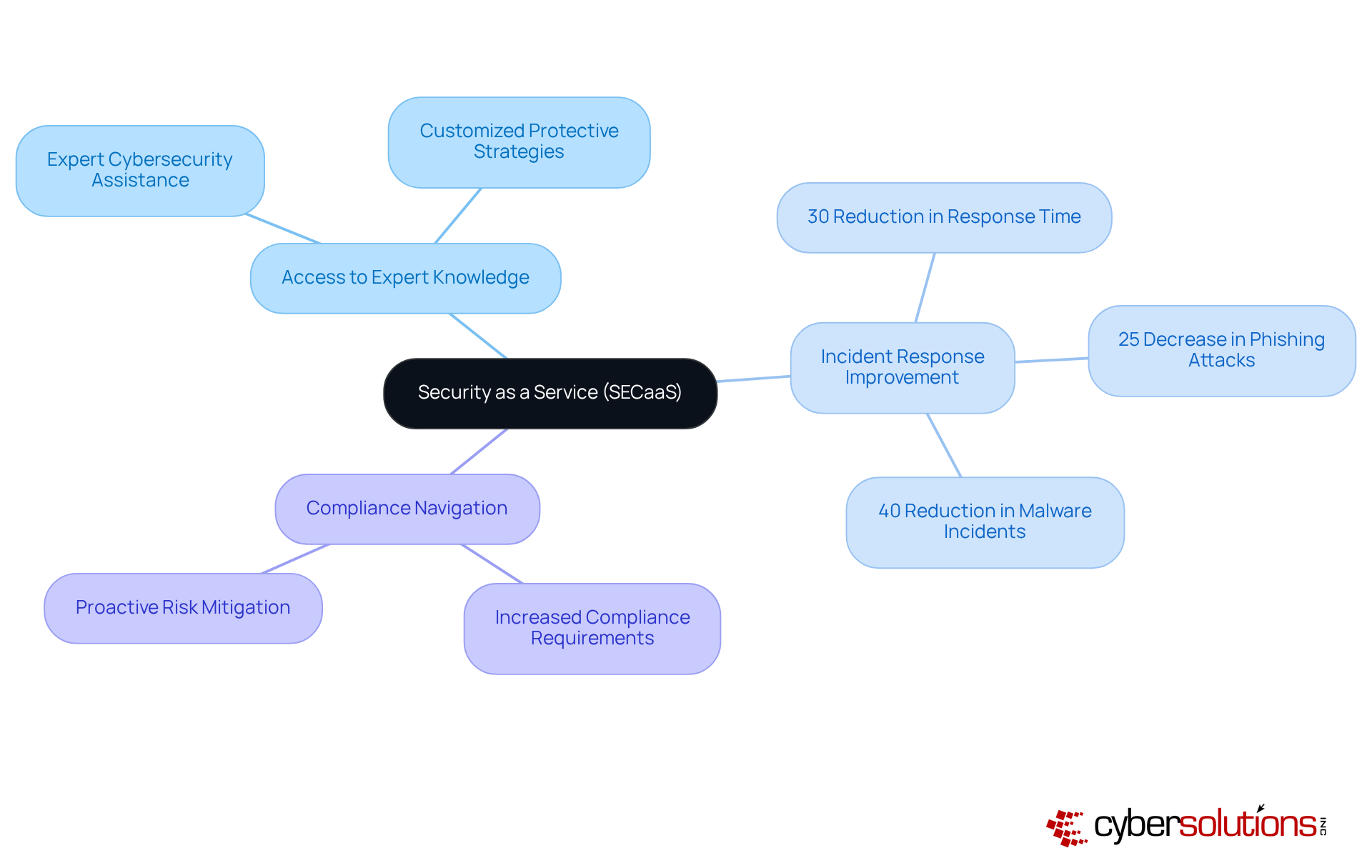
A significant benefit of security as a service cloud is the access to expert support. SECaaS providers employ professionals with extensive knowledge and experience, enabling organizations to adopt best practices and advanced risk intelligence. This specialized knowledge is crucial for developing customized protective strategies that significantly enhance a firm's overall safety stance.
Organizations that have implemented SECaaS solutions report a remarkable improvement in their ability to respond to threats. In 2023, companies utilizing SECaaS experienced a 30% faster response time compared to those relying solely on internal teams. This efficiency is critical, especially considering that the average cost of a data breach in the U.S. reached $9.48 million, highlighting the financial impact of security incidents.
Moreover, the role of compliance specialists in SECaaS is paramount. With over 70% of organizations expecting an increase in regulatory scrutiny annually, expert knowledge of regulatory frameworks is invaluable. These specialists not only assist in navigating compliance but also implement proactive measures that mitigate risks before they escalate.
The advantages of expert support extend beyond compliance and risk management. Organizations leveraging expert support report significant improvements, including:
- A 25% decrease in successful phishing attacks
- A 40% reduction in malware incidents
As cybersecurity threats evolve, the necessity for specialized knowledge becomes increasingly vital.
Industry studies underscore the importance of professional assistance, with one report stating, "Organizations that invest in specialized cybersecurity expertise are better equipped to protect against contemporary dangers and ensure adherence to changing regulations." This sentiment reflects a growing consensus among industry leaders that expert guidance is essential for maintaining robust protection frameworks in today's complex digital landscape.
Continuous Updates: Keeping Security Measures Current and Effective
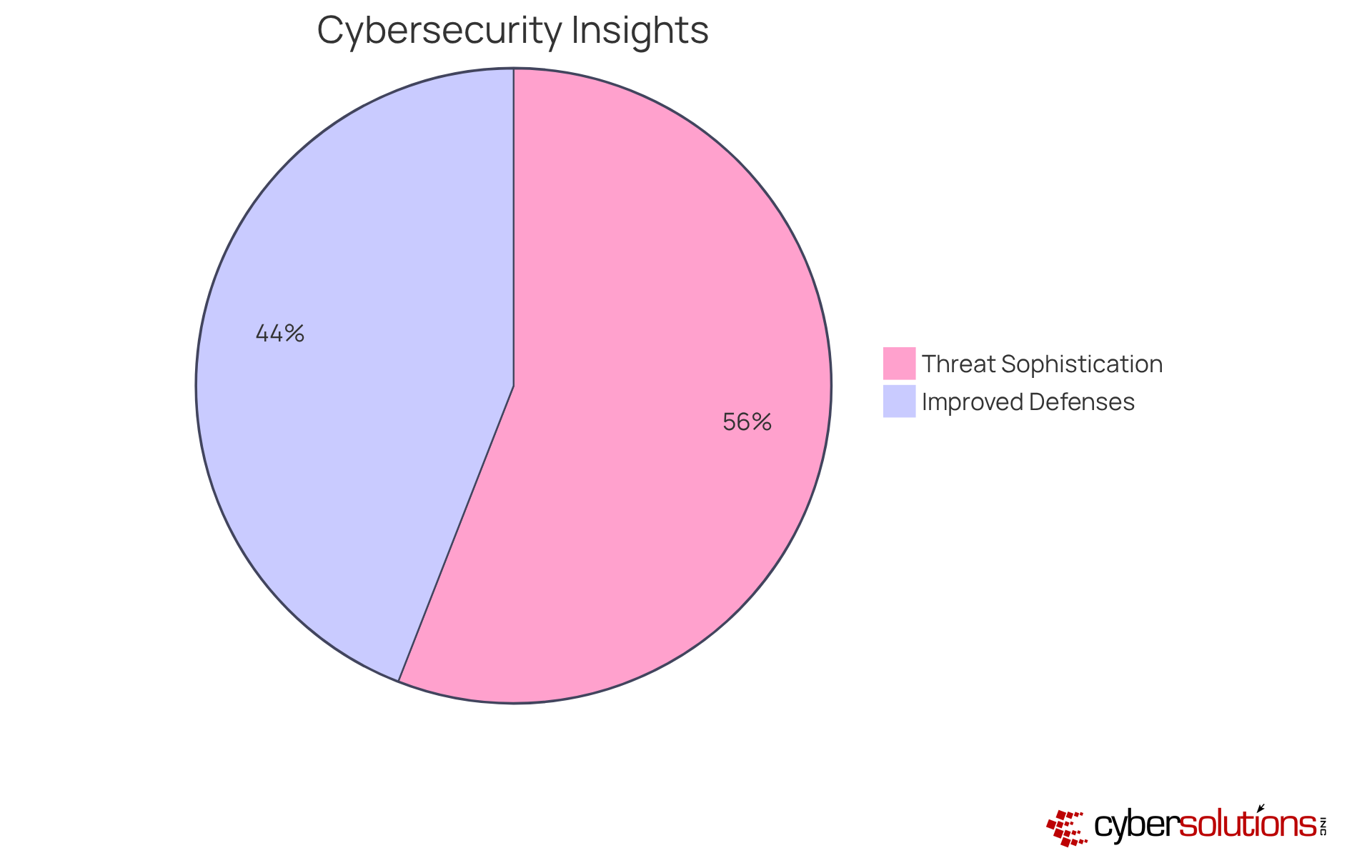
Continuous updates are essential for organizations aiming to proactively combat cyber threats through continuous enhancements to their protective measures. SECaaS providers implement regular updates to systems and protocols, effectively addressing new vulnerabilities and ensuring robust protection against the latest cyber risks. This is crucial, particularly as 85% of cybersecurity professionals attribute the rise in cyberattacks to the increasing sophistication of threats, including those driven by generative AI.
Data underscores the effectiveness of these ongoing updates; organizations that maintain current protective measures report significantly lower incident rates. For instance, the typical cost of a ransomware incident soared to $4.54 million in 2023, highlighting the financial impact of cyberattacks. By leveraging security solutions, organizations can mitigate these threats and enhance their overall safety posture.
Industry experts emphasize the necessity of keeping protective measures updated. Tomer Weingarten, CEO of SentinelOne, asserts that organizations should not solely depend on frequent updates but rather be designed with resilience at their core. This perspective aligns with the growing trend of companies adopting security frameworks, which provide a systematic approach to cybersecurity and risk management.
Numerous examples illustrate companies successfully utilizing SECaaS to strengthen their defenses. For example, financial institutions utilizing SECaaS report a 67% increase in their ability to counter cyber threats, demonstrating the effectiveness of these services. As we approach 2025, the emphasis on maintaining robust cybersecurity strategies through continuous updates will be critical, enabling organizations to navigate the complexities of the digital landscape with confidence.
Collaboration: Building Strong Security Partnerships through Security as a Service
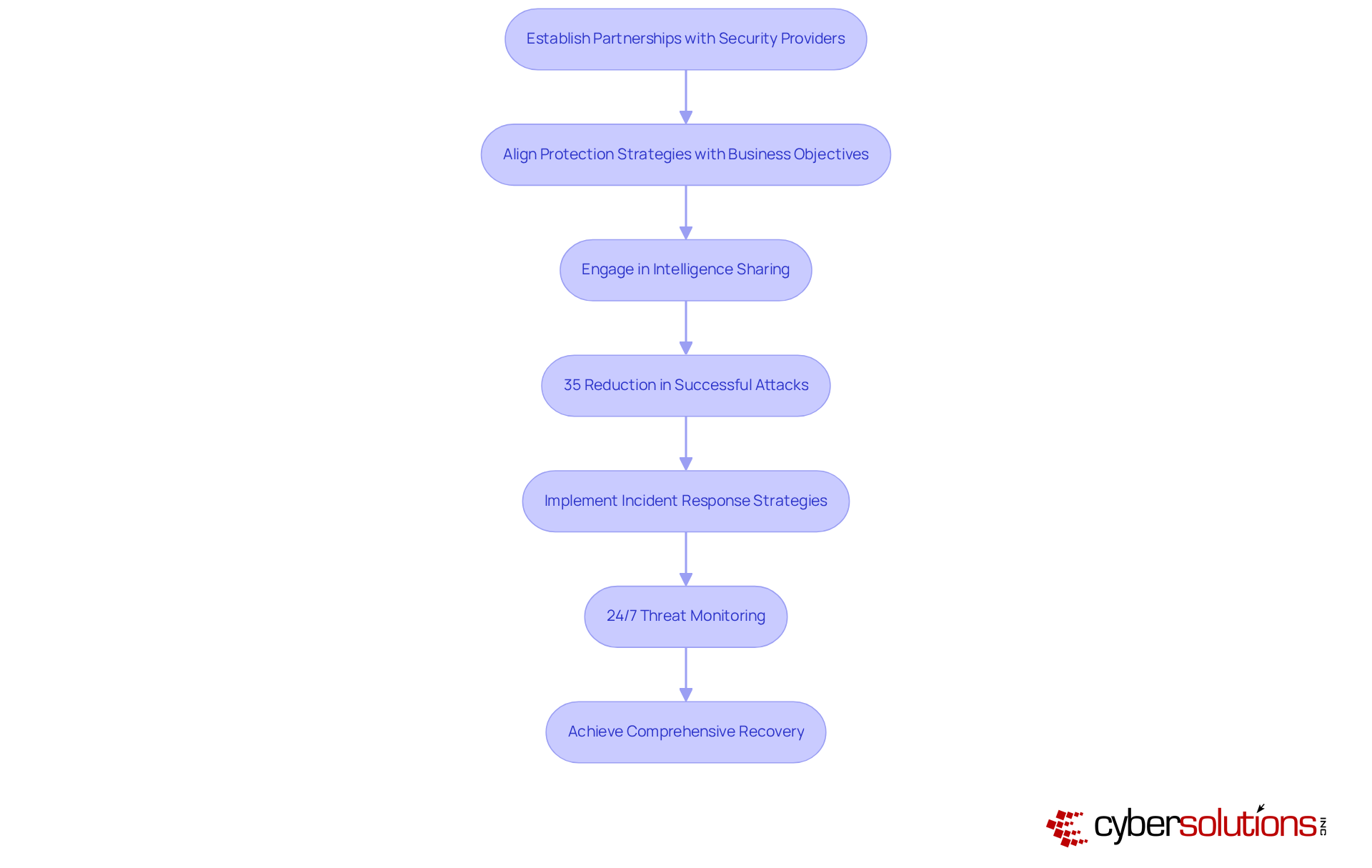
In today's digital landscape, collaboration is particularly important in healthcare, where the stakes are high. Security as a Service fosters robust collaborations between companies and their security providers, significantly enhancing overall safety capabilities. By working together, organizations can align their security strategies with business objectives, ensuring readiness to tackle evolving challenges. This collaborative approach not only fortifies protective measures but also integrates security with financial strategies, as emphasized by industry leaders.
Consider the impact of intelligence sharing: organizations that engage in this practice can experience a remarkable 35% reduction in successful attacks, underscoring the tangible benefits of cooperation. Furthermore, 54% of entities reported a significant improvement within the first year. Security solutions, including threat intelligence platforms, empower organizations to swiftly contain risks and achieve comprehensive recovery through a layered approach that encompasses endpoint isolation, malware removal, and user training.
Additionally, continuous monitoring guarantees that suspicious activities are identified and mitigated before escalating into serious threats, effectively safeguarding businesses from ransomware, phishing, and other malware attacks. As cybersecurity remains a critical business risk, collaboration is essential for navigating the complexities of the digital landscape in 2025.
Conclusion
The significance of Security as a Service (SECaaS) for C-suite leaders is paramount. This innovative approach not only addresses the critical need for robust cybersecurity but also aligns seamlessly with the strategic objectives of modern organizations. By embracing tailored security solutions, businesses can enhance their protective measures while optimizing operational efficiency and financial performance.
Throughout this discussion, key benefits of SECaaS have been underscored, including its scalability, cost-effectiveness, and the capacity to leverage advanced technologies. The proactive threat detection capabilities and continuous updates ensure that organizations remain resilient against evolving cyber threats. Moreover, the importance of expert support and collaboration with security providers has emerged as a crucial factor in successfully navigating the complexities of today's digital landscape.
In light of these insights, it is essential for C-suite leaders to recognize the transformative potential of Security as a Service. By investing in these solutions, organizations can not only safeguard their assets but also foster a culture of security that permeates every level of the business. As cybersecurity challenges continue to grow, adopting SECaaS is not merely a strategic advantage; it is a necessary step toward ensuring long-term success and resilience in an increasingly interconnected world.
Frequently Asked Questions
What is Cyber Solutions Inc.?
Cyber Solutions Inc. is a company that specializes in delivering customized security as a service cloud solutions tailored to the specific needs of modern businesses, particularly in the healthcare and finance sectors.
Why is cybersecurity important for healthcare organizations?
Cybersecurity is crucial for healthcare organizations because it protects sensitive data, ensures compliance with regulations, and helps maintain trust with clients and stakeholders in an increasingly regulated environment.
What are the key features of Cyber Solutions Inc.'s offerings?
Key features include 24/7 threat monitoring, proactive cybersecurity solutions to safeguard against ransomware, phishing, and malware attacks, and customized protective services that align with business financial objectives.
How does security as a service cloud benefit growing organizations?
Security as a service cloud offers scalability, allowing organizations to adjust their security measures as they grow without the need for significant upfront investments in infrastructure, thus ensuring ongoing protection against emerging threats.
What is the projected growth of the Security as a Service market?
The global Security as a Service market is expected to grow from $12.4 billion in 2021 to $23.8 billion by 2026, reflecting a compound annual growth rate (CAGR) of 13.8%.
How does adopting security as a service impact financial planning for organizations?
Adopting security as a service provides predictable monthly pricing structures, enhancing budget management and maximizing return on investment (ROI) through reduced downtime and improved operational efficiency.
What kind of ROI can organizations expect from security as a service?
Organizations utilizing security as a service can achieve an average ROI of 4.1 times their investment, highlighting the financial advantages of this approach.
What additional capabilities does security as a service encompass?
Security as a service includes advanced risk detection and response capabilities, continuous monitoring, endpoint isolation, malware eradication, and user education, all essential for maintaining robust security frameworks.
How does Cyber Solutions Inc. approach risk management for businesses?
Cyber Solutions Inc. focuses on specific vulnerabilities and compliance requirements to enhance safety and streamline business processes, empowering companies to thrive in a digital-first environment.
List of Sources
- Cyber Solutions Inc.: Tailored Security as a Service for Modern Businesses
- simplifywithconnectone.com (https://simplifywithconnectone.com/case_studies)
- itbusinesstoday.com (https://itbusinesstoday.com/tech/hitachi-systems-and-cyber-solutions-form-alliance-to-enhance-security-services)
- Solutions Review: Cybersecurity Awareness Month Quotes from Industry Experts in 2024 - Mark43 (https://mark43.com/press/solutions-review-cybersecurity-awareness-month-quotes-from-industry-experts-in-2024)
- Scalability: Adapting Security as a Service to Business Growth
- acecloudhosting.com (https://acecloudhosting.com/blog/cybersecurity-quotes)
- marketsandmarkets.com (https://marketsandmarkets.com/Market-Reports/security-as-a-service-market-132531603.html)
- f5.com (https://f5.com/company/news/press-releases/research-enterprise-ai-readiness-security-governance-scalability)
- Cost-Effectiveness: Maximizing ROI with Security as a Service
- growthera.com (https://growthera.com/case_studies/sca-security)
- fortinet.com (https://fortinet.com/resources/cyberglossary/security-as-a-service)
- fortinet.com (https://fortinet.com/corporate/about-us/newsroom/press-releases/2020/fortinet-customers-use-forticloud-saas-offerings-to-eliminate-complexity-and-ensure-cloud-security)
- icsecurity.com (https://icsecurity.com/maximizing-your-security-services-roi-5-key-strategies-for-enhanced-value)
- Proactive Threat Detection: Enhancing Security with Real-Time Monitoring
- researchgate.net (https://researchgate.net/publication/349817804_Real-Time_Monitoring_of_Network_Devices_Its_Effectiveness_in_Enhancing_Network_Security)
- insights.integrity360.com (https://insights.integrity360.com/managed-detection-and-response-mdr-in-20-cyber-security-statistics)
- industrialcyber.co (https://industrialcyber.co/news/claroty-enhances-threat-detection-and-response-for-cyber-physical-systems-with-google-security-operations)
- jumpcloud.com (https://jumpcloud.com/blog/how-effective-is-ai-for-cybersecurity-teams)
- Rising threats push industrial supply chains to adopt real-time monitoring, proactive cybersecurity practices - Industrial Cyber (https://industrialcyber.co/features/rising-threats-push-industrial-supply-chains-to-adopt-real-time-monitoring-proactive-cybersecurity-practices)
- Compliance Management: Simplifying Regulatory Adherence with Security as a Service
- 130+ Compliance Statistics & Trends to Know for 2026 (https://secureframe.com/blog/compliance-statistics)
- 100+ Compliance Statistics You Should Know in 2026 (https://sprinto.com/blog/compliance-statistics)
- secureframe.com (https://secureframe.com/blog/compliance-as-a-service-caas)
- stasmayer.com (https://stasmayer.com/how-compliance-as-a-service-simplifies-regulatory-challenges)
- 115 Compliance Statistics You Need To Know in 2023 - Drata (https://drata.com/blog/compliance-statistics)
- Flexibility: Customizing Security Solutions for Unique Business Needs
- diligent.com (https://diligent.com/resources/blog/top-20-quotes-cyber-risk-virtual-summit)
- deliberatedirections.com (https://deliberatedirections.com/cybersecurity-quotes)
- marketsandmarkets.com (https://marketsandmarkets.com/Market-Reports/security-as-a-service-market-132531603.html)
- quotes.mirrorreview.com (https://quotes.mirrorreview.com/10-best-enterprise-cyber-security-quotes-prominent-industry-leaders)
- 20 Quotes Proving The Need for Security Integrations (https://synqly.com/moving-from-ok-to-best-in-class-20-quotes-from-experts-proving-the-need-for-security-integrations)
- Advanced Technologies: Leveraging Innovation in Security as a Service
- ibm.com (https://ibm.com/think/insights/cybersecurity-trends-ibm-predictions-2025)
- splashtop.com (https://splashtop.com/blog/cybersecurity-trends-2025)
- 10 Cyber Security Trends For 2026 (https://sentinelone.com/cybersecurity-101/cybersecurity/cyber-security-trends)
- honeywell.com (https://honeywell.com/us/en/news/featured-stories/2025/01/cybersecurity-trends-blog)
- lakera.ai (https://lakera.ai/blog/ai-security-trends)
- Expert Support: Accessing Specialized Knowledge through Security as a Service
- infosecurity-magazine.com (https://infosecurity-magazine.com/managed-security-services)
- Security Week Home (https://securityweek.com)
- 45 Cybersecurity Statistics and Facts [2025] (https://onlinedegrees.sandiego.edu/cyber-security-statistics)
- 205 Cybersecurity Stats and Facts for 2026 (https://vikingcloud.com/blog/cybersecurity-statistics)
- sprinto.com (https://sprinto.com/blog/list-of-cybersecurity-statistics)
- Continuous Updates: Keeping Security Measures Current and Effective
- cisa.gov (https://cisa.gov/news-events/directives/bod-25-01-implementing-secure-practices-cloud-services)
- crn.com (https://crn.com/news/security/2024/sentinelone-ceo-cybersecurity-shouldn-t-require-constant-updates)
- getastra.com (https://getastra.com/blog/security-audit/cyber-security-statistics)
- cobalt.io (https://cobalt.io/blog/cybersecurity-statistics-2024)
- 2024 Cybersecurity Statistics: The Ultimate List Of Stats, Data & Trends | PurpleSec (https://purplesec.us/resources/cybersecurity-statistics)
- Collaboration: Building Strong Security Partnerships through Security as a Service
- diligent.com (https://diligent.com/resources/blog/top-20-quotes-cyber-risk-virtual-summit)
- deepstrike.io (https://deepstrike.io/blog/top-security-as-a-service-secaas-providers)
- secureframe.com (https://secureframe.com/blog/cybersecurity-statistics)
- moldstud.com (https://moldstud.com/articles/p-the-future-of-cybersecurity-how-secaas-is-a-game-changer-for-businesses)
- 2024 Cybersecurity Statistics: The Ultimate List Of Stats, Data & Trends | PurpleSec (https://purplesec.us/resources/cybersecurity-statistics)