
Introduction
In an era where cyber threats loom larger than ever, the significance of security assessment reports has become paramount for organizational leaders across various industries. These reports illuminate vulnerabilities and serve as strategic blueprints for risk management and compliance assurance. As organizations grapple with the complexities of cybersecurity, they must consider: what are the essential elements that make a security assessment report not just informative, but transformative in safeguarding assets and ensuring regulatory adherence?
Understanding the current landscape of cybersecurity threats is crucial. Organizations face an array of risks that can compromise their operations and reputation. The implications for businesses are profound, as they navigate regulatory requirements and the need for robust risk management strategies.
Cyber Solutions can effectively address these challenges, providing insights that empower organizations to fortify their defenses. By leveraging comprehensive security assessment reports, leaders can make informed decisions that not only protect their assets but also ensure compliance with industry standards.
Ultimately, the right security assessment report can be a game-changer, transforming how organizations approach cybersecurity and risk management.
Cyber Solutions Inc.: Tailored Security Assessment Reports for Diverse Industries
In today's digital landscape, the importance of security assessments cannot be overstated, particularly in sectors such as healthcare, finance, and government. Cyber Solutions Inc. specializes in creating reports that are meticulously tailored to meet the unique needs of these industries. By thoroughly understanding the specific regulatory and operational challenges they face, Cyber Solutions ensures that each security assessment report not only identifies vulnerabilities but also aligns seamlessly with industry standards and best practices.
A pivotal aspect of these evaluations is the emphasis on cybersecurity, a proactive strategy designed to combat malware and unauthorized software. This tailored approach significantly enhances the relevance and effectiveness of the evaluations, transforming them into indispensable tools for organizational leaders focused on risk management.
As the threat landscape evolves, healthcare organizations must recognize the implications of these challenges. Cyber Solutions stands ready to equip them with the insights and strategies necessary to navigate this complex environment effectively, ensuring that they remain ahead of potential threats.

Purpose of a Security Assessment Report: Understanding Its Role in Risk Management
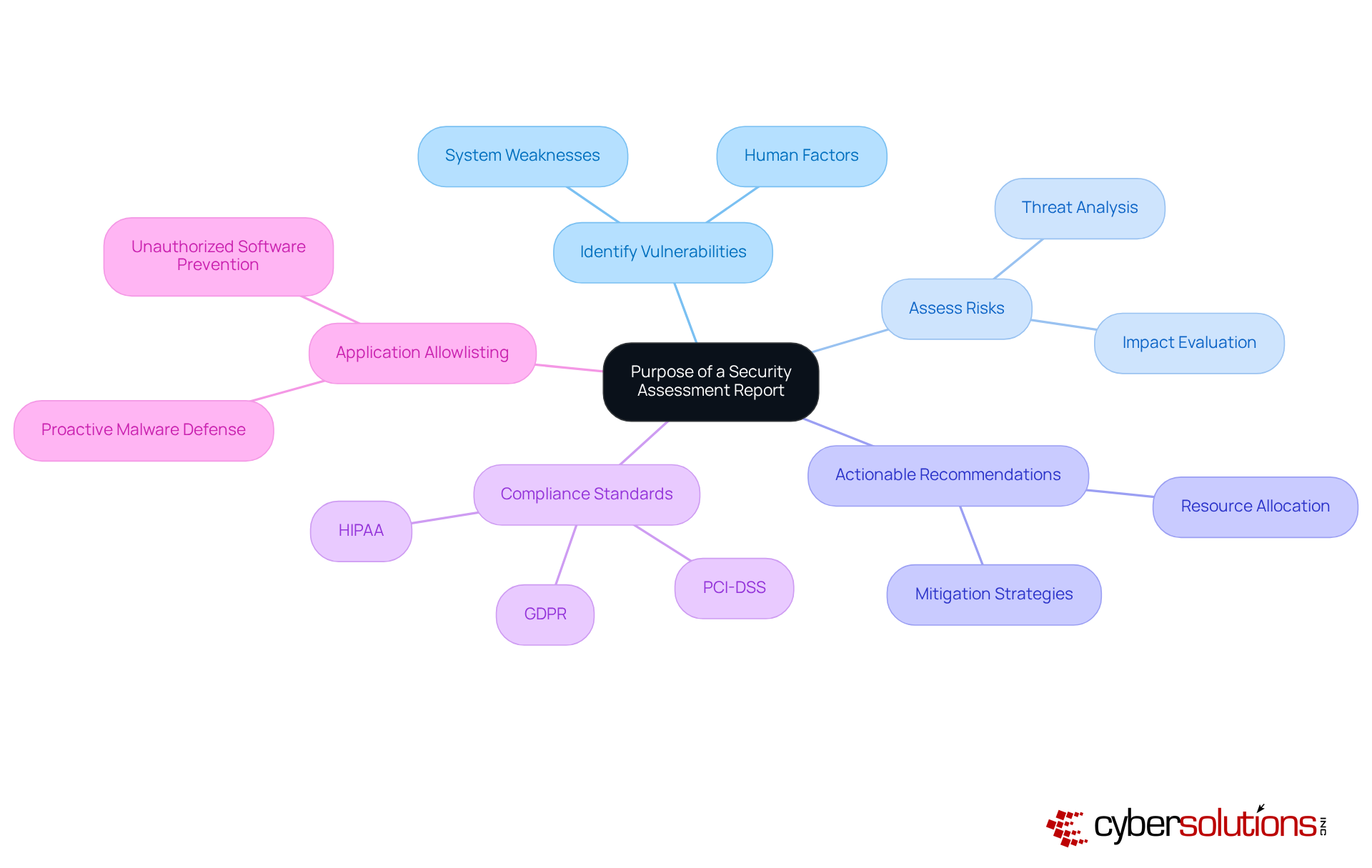
The main aim of a safety evaluation document is to deliver a comprehensive analysis of an organization's protective stance. In today's landscape, where threats are ever-present, it is crucial to identify vulnerabilities, assess risks, and provide actionable recommendations to mitigate potential threats. By serving as a guide for risk management, these documents empower leaders to prioritize actions, allocate resources effectively, and ensure compliance with regulations such as HIPAA, PCI DSS, and GDPR.
Moreover, integrating technology into the assessment process grants organizations access to enterprise-level compliance expertise, simplifying the compliance journey while safeguarding against potential penalties. The document also underscores the significance of cybersecurity measures as a proactive strategy against malware and unauthorized software, ensuring that only approved applications can operate within the organization. Ultimately, these documents are vital in protecting assets and maintaining operational integrity.
Key Components of a Security Assessment Report: Essential Elements to Include
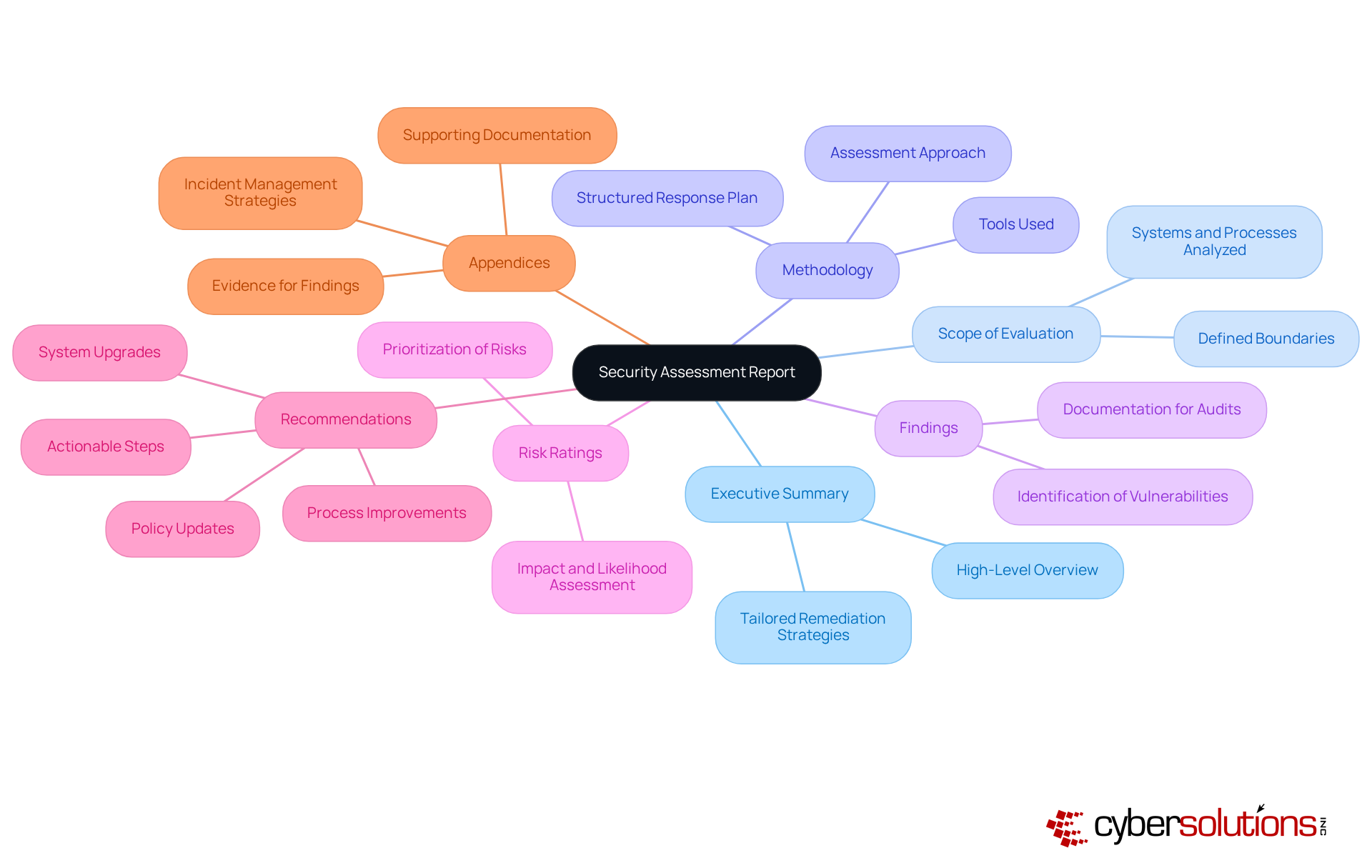
A comprehensive security assessment report is essential for protecting healthcare organizations from evolving threats. It should include the following key components:
- Executive Summary: A high-level overview of findings and recommendations, emphasizing tailored remediation strategies for organizations.
- Scope of Evaluation: Clearly defined boundaries of the evaluation, including systems and processes analyzed, ensuring comprehensive coverage.
- Methodology: Description of the assessment approach and tools used, highlighting the structured response plan that is crucial for effective cybersecurity.
- Findings: Comprehensive identification of vulnerabilities and risks, supported by essential documentation to prepare for audits, including protocols and procedures.
- Risk Prioritization: Prioritization of risks based on their potential impact and likelihood, facilitating informed decision-making.
- Recommendations: Actionable steps to mitigate identified risks, including policy updates, system upgrades, and process improvements. Specific examples of these actions can enhance practical application.
- Appendices: Supporting documentation and evidence for findings, demonstrating and enhancing the overall protection posture. This section should also reflect the importance of communication, particularly in the context of ransomware response strategies, as highlighted in the report.
Methodology for Conducting a Security Assessment: Steps to Follow
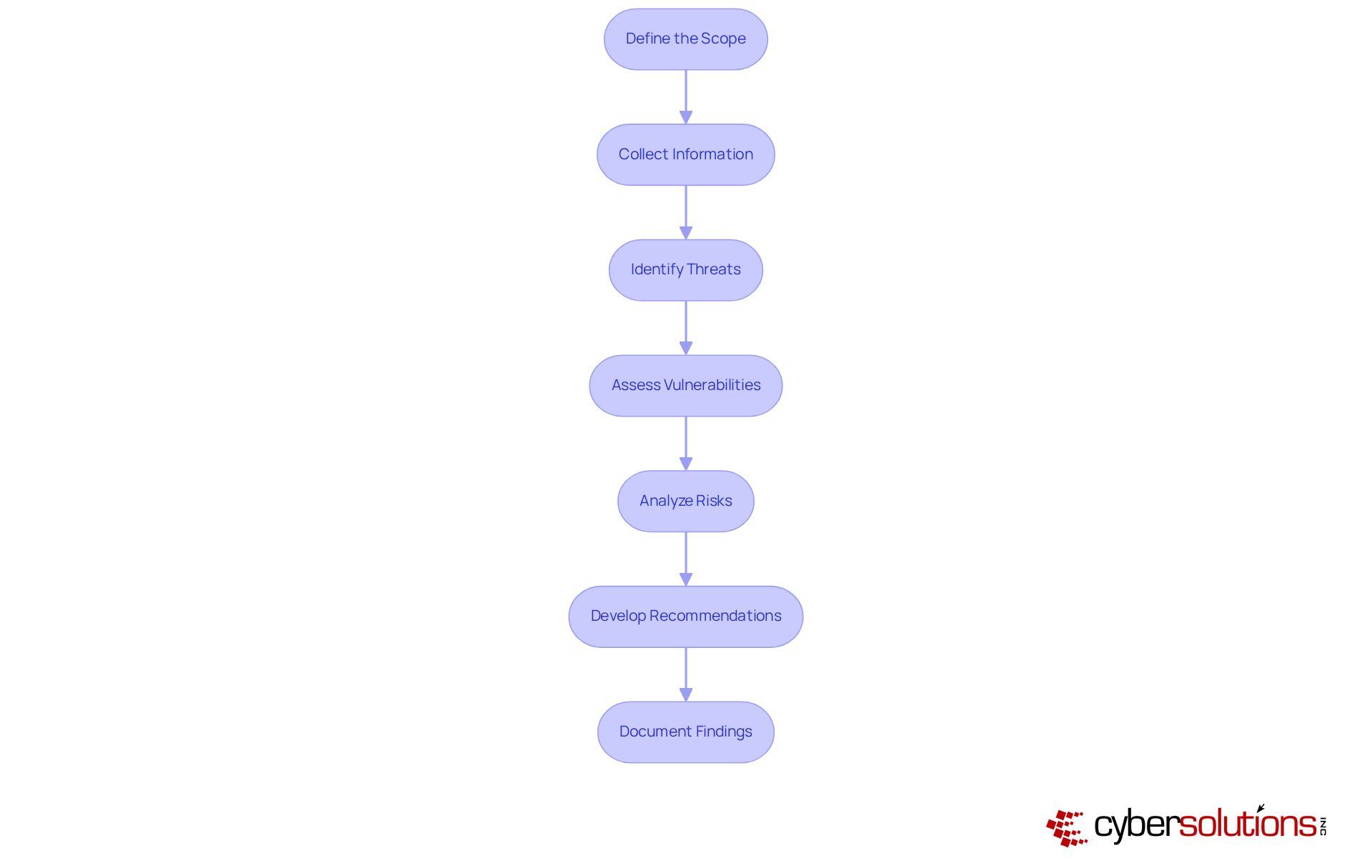
Conducting a security assessment is paramount in the realm of risk management, particularly within organizations. The following critical steps outline a comprehensive approach to safeguarding valuable assets:
- Define the Scope: Identify the systems, processes, and assets to be assessed.
- Collect Information: Gather data on current protective measures and possible weaknesses.
- Identify Threats: Analyze potential threats that could exploit vulnerabilities.
- Assess Vulnerabilities: Evaluate the weaknesses in the existing protection stance.
- Analyze Risks: Determine the likelihood and impact of identified threats.
- Develop Recommendations: Create strategies to mitigate risks.
- Document Findings: Compile all findings into a comprehensive summary.
By following these steps, healthcare CFOs can effectively navigate the complex landscape of security and implement robust strategies to protect their organizations.
Documenting Findings and Recommendations: Best Practices for Clarity and Impact
Thorough documentation of discoveries and suggestions is crucial for the influence of the report. To effectively communicate this importance, consider the following best practices:
- Use Clear Language: Avoid jargon and ensure that technical terms are explained.
- Be Concise: Present findings in a straightforward manner, focusing on key insights.
- Prioritize Recommendations: Clearly indicate which recommendations are most critical for immediate action.
- Include Visuals: Use charts and graphs to illustrate data and trends, making it easier for stakeholders to grasp complex information.
- Follow a Consistent Format: Maintain a uniform structure throughout the report to enhance readability.
- Prepare Supporting Materials: Include guidelines, procedures, and evidence, such as a checklist, to show adherence during audits, ensuring that all necessary documentation is easily accessible for review.

Compliance Considerations: Ensuring Regulatory Adherence in Security Assessments
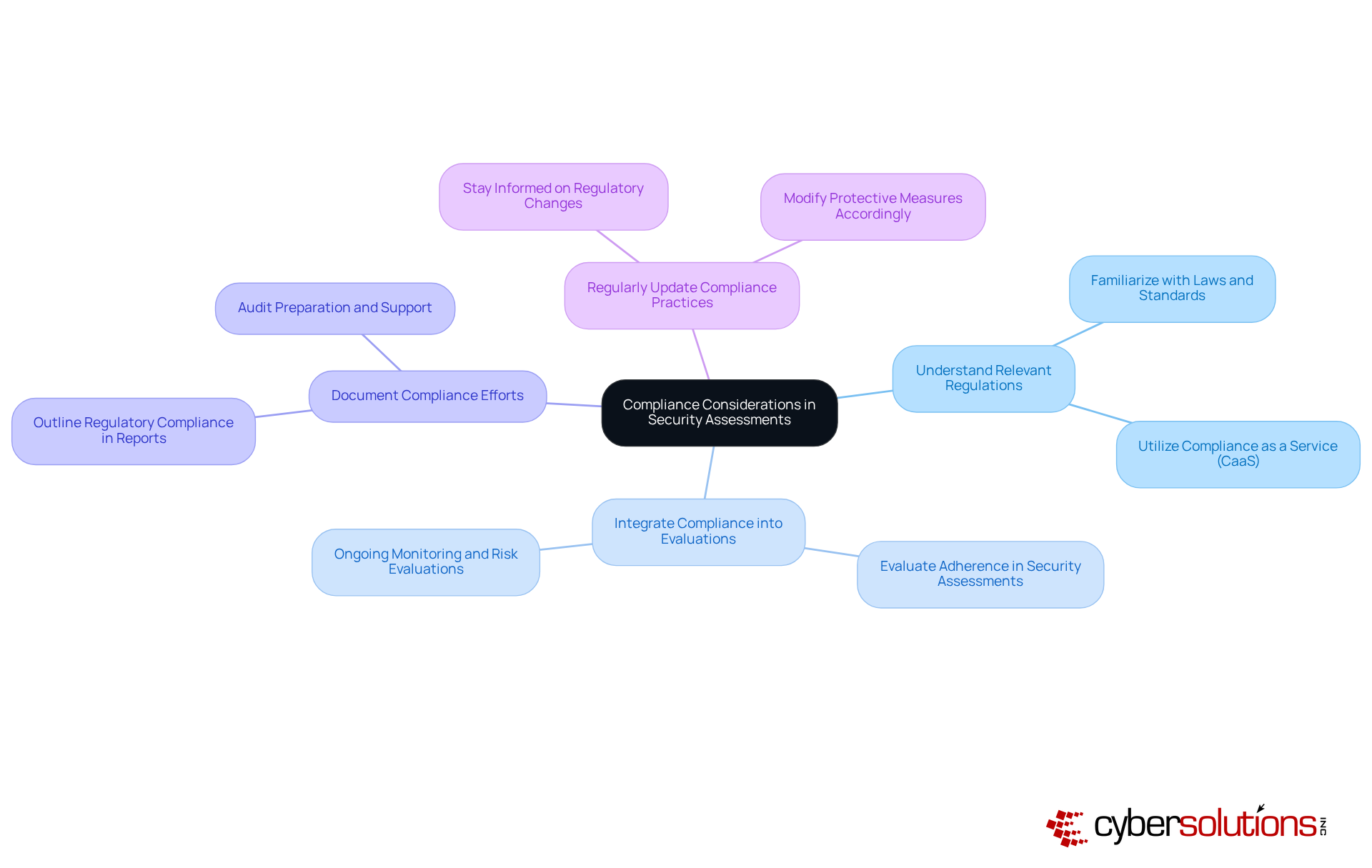
Adherence factors are essential in safety evaluations, particularly for entities in regulated sectors such as healthcare, finance, manufacturing, and legal. Understanding these factors is crucial for compliance and safeguarding organizational integrity.
- Understand Relevant Regulations: Familiarize yourself with applicable laws and standards (e.g., industry guidelines). Compliance as a Service (CaaS) provides businesses with end-to-end solutions to meet these requirements, ensuring that organizations can navigate complex compliance landscapes effectively.
- Integrate Compliance into Evaluations: Ensure that the assessment evaluates adherence to these regulations. CaaS streamlines this process by providing ongoing monitoring and proactive risk evaluations, aiding organizations in remaining compliant with present and upcoming regulatory obligations.
- Document Compliance Efforts: Clearly outline how the organization meets standards in the assessment. CaaS solutions include audit preparation and support, providing the necessary documentation and expert guidance to ensure a successful audit.
- Regularly Update Compliance Practices: Stay informed about regulatory changes and modify protective measures accordingly. CaaS assists organizations in upholding regulations through regular updates and monitoring, safeguarding them from possible penalties.
Risk Assessment: Identifying and Prioritizing Threats in Security Reports
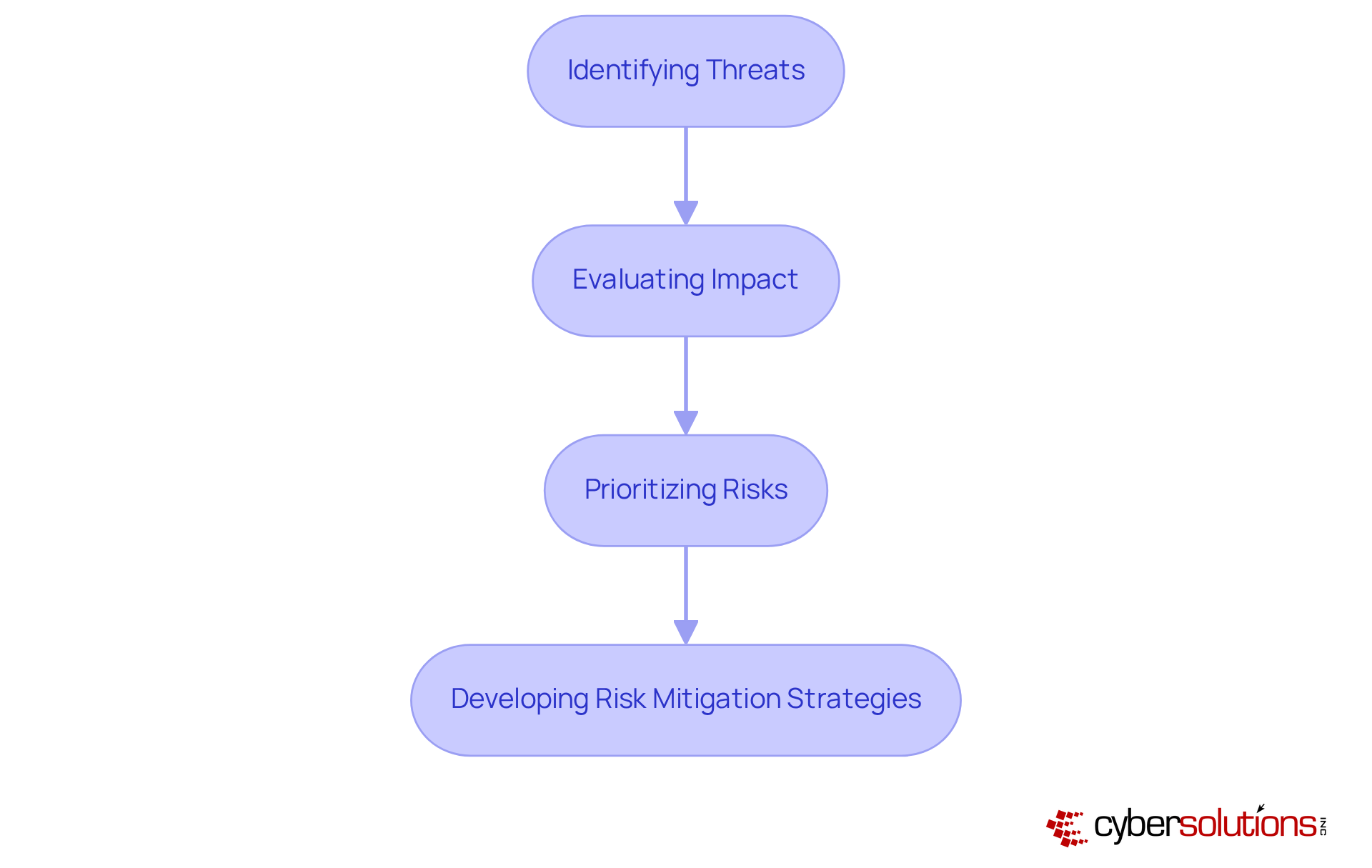
Risk evaluation is an essential component of security assessment reports. It encompasses several critical steps:
- Identifying Threats: Analyze potential threats that could exploit vulnerabilities, particularly in the context of government operations, which mandates advanced security protocols to safeguard sensitive federal data.
- Evaluating Impact: Assess the potential consequences of each threat on the organization, especially concerning the protection of Controlled Unclassified Information (CUI) and Federal Contract Information (FCI).
- Prioritizing Risks: Rank threats based on their likelihood and potential impact, enabling focused mitigation efforts. This prioritization is crucial for maintaining eligibility for lucrative government contracts and demonstrating a commitment to security.
- Developing Strategies: Formulate plans to effectively address the highest-priority risks. Integrating rapid response tactics, such as ensuring an incident response team is available within 24 hours, can significantly enhance recovery efforts and the overall safety posture, thereby reducing the likelihood of breaches and data loss.
Continuous Improvement: Updating Security Assessment Reports for Ongoing Relevance
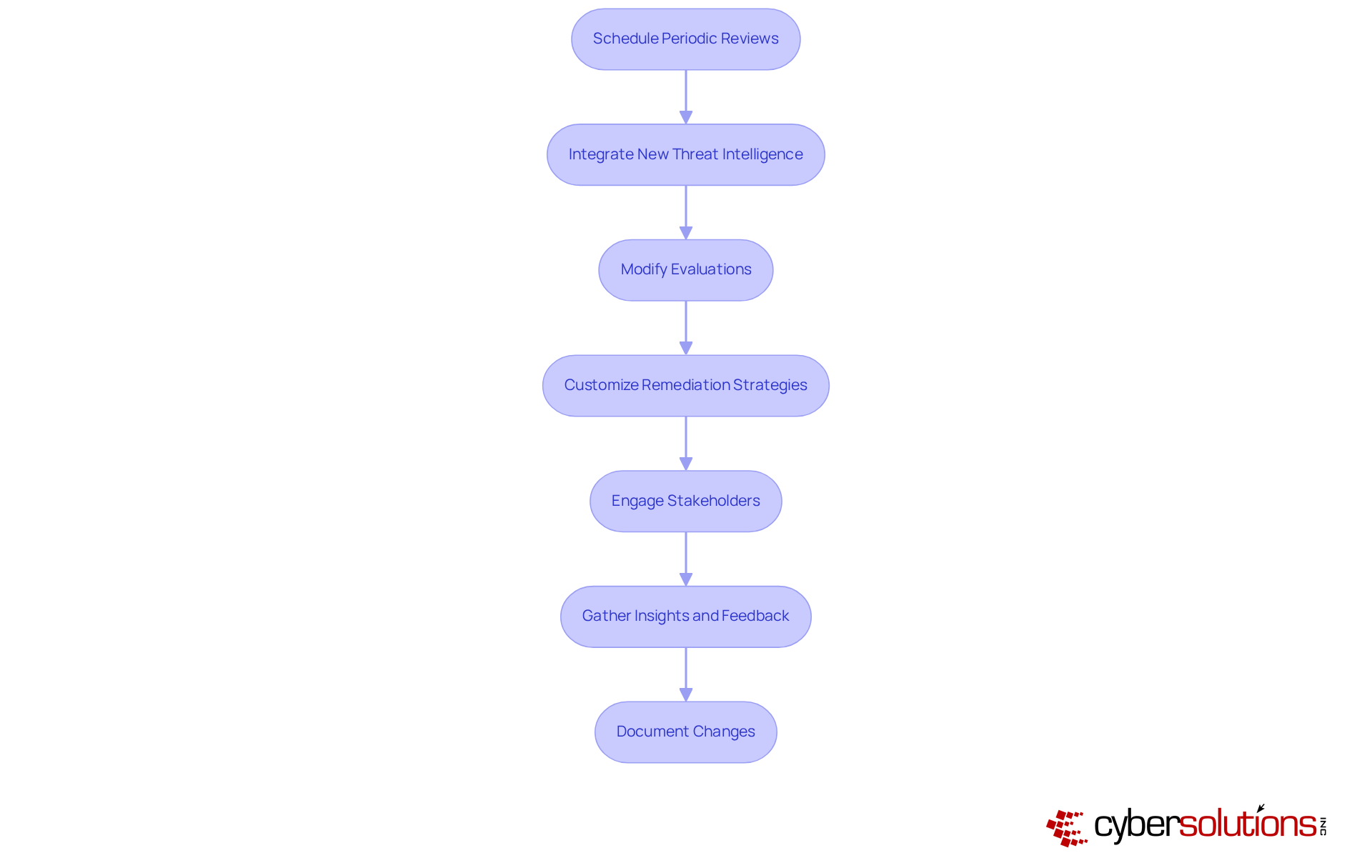
Ongoing enhancement is crucial for preserving the significance of security assessment reports in the ever-evolving landscape of cybersecurity. Regularly reviewing and updating the assessment report is essential; schedule periodic reviews to ensure that the report reflects the current security landscape and risks.
Additionally, integrating new technologies is vital. Stay informed about emerging threats and modify evaluations as needed, ensuring that remediation strategies—including policy updates and system upgrades—are customized to effectively address regulatory gaps.
Engaging stakeholders is equally important. Involve key stakeholders to gather insights and feedback, which is essential for developing a strategy that supports adherence during audits.
Finally, documenting changes is necessary for transparency. Clearly outline any updates made to the evaluation documents, including policy updates and system upgrades, in the report to demonstrate compliance readiness.
Leveraging Technology: Enhancing Security Assessment Reports with Advanced Tools
In today's rapidly evolving cybersecurity landscape, leveraging technology is essential for enhancing security assessments. By integrating advanced tools and technologies, organizations can effectively address the unique challenges they face in safeguarding sensitive information.
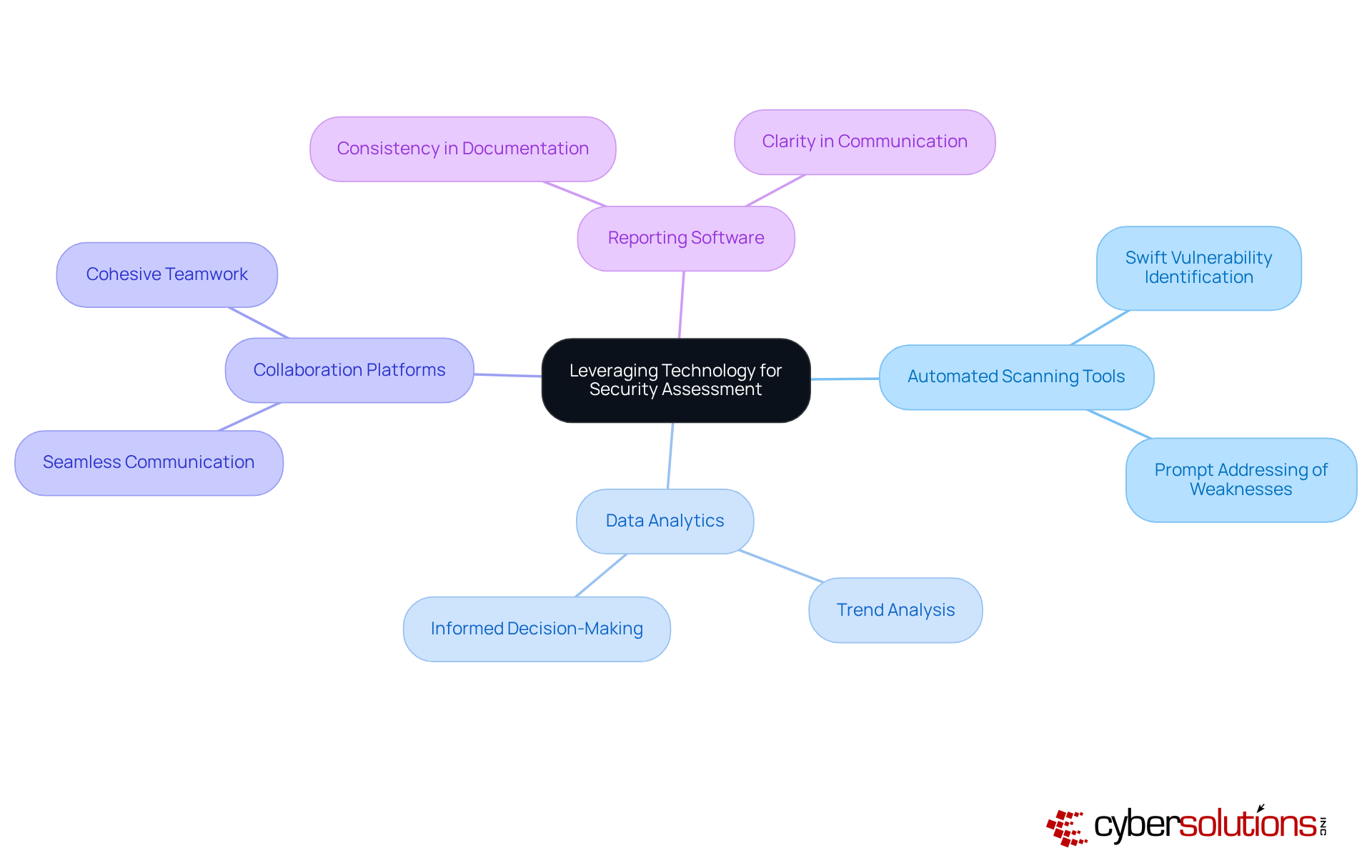
- Advanced tools play a pivotal role by utilizing software to swiftly and accurately identify vulnerabilities. This not only expedites the evaluation process but also ensures that critical weaknesses are addressed promptly.
- Data analysis is another crucial component, enabling organizations to analyze evaluation data and uncover trends and patterns that inform strategic decision-making. This insight is invaluable for anticipating potential threats and mitigating risks.
- Collaboration tools additionally facilitate seamless communication and teamwork among evaluation team members, fostering a more cohesive approach to security assessments. This collaborative effort is essential for thorough evaluations and the effective implementation of the security assessment report.
- Finally, automation streamlines the generation of reports, ensuring consistency in documentation and clarity in communication. By adopting these technologies, organizations not only enhance their security posture but also build a foundation for ongoing improvement in their cybersecurity efforts.
Stakeholder Communication: Effectively Conveying Security Assessment Findings
Effective communication of the findings is crucial for driving action in the realm of security. To navigate the unique challenges faced by organizations, particularly in healthcare, consider the following best practices:
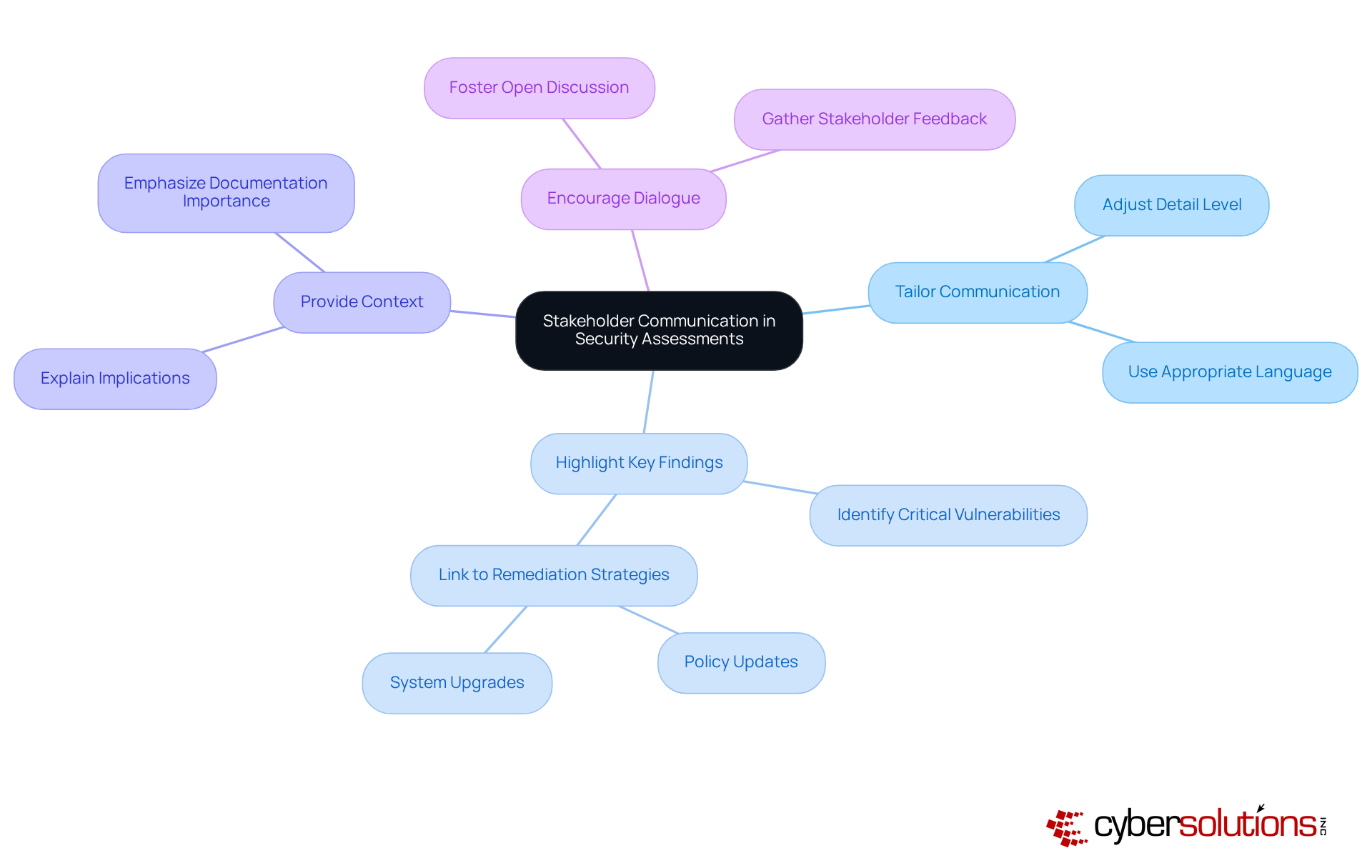
- Tailor Communication to the Audience: Adjust the level of detail and technical language based on the audience's expertise. This ensures that the significance of compliance gaps is effectively conveyed.
- Highlight Key Findings in the Report: Focus on the most critical issues identified in the report that require immediate attention. Link these findings to tailored remediation strategies, such as policy updates and system upgrades, to drive urgency and action.
- Provide Context: Explain the implications of findings in relation to business objectives and operational risks. Emphasize the necessity of detailed documentation to demonstrate compliance during audits, reinforcing the importance of thoroughness.
- Encourage Dialogue: Foster an open discussion with stakeholders to address concerns and gather feedback. This collaborative approach is essential for planning and implementing solutions, ensuring that all voices are heard and valued.
Conclusion
The significance of a well-crafted security assessment report cannot be overstated, particularly for leaders navigating the complexities of cybersecurity within their organizations. These reports serve as critical tools that not only identify vulnerabilities but also provide actionable insights tailored to meet the unique challenges faced by various industries. By prioritizing compliance and risk mitigation, leaders can make informed decisions that enhance their organization’s security posture.
Key elements of an effective security assessment report include:
- A thorough executive summary
- A clearly defined scope
- A robust methodology
- Actionable recommendations
Emphasizing the importance of continuous improvement, organizations are encouraged to regularly update their assessments to reflect the evolving threat landscape and compliance requirements. Moreover, leveraging technology and effective stakeholder communication further enhances the impact and clarity of these reports, ensuring that findings are not only understood but acted upon.
Ultimately, the journey toward robust cybersecurity begins with a comprehensive security assessment report. By recognizing its value and implementing best practices, organizations can foster a culture of security awareness and preparedness, safeguarding their assets and maintaining compliance in an increasingly digital world. Taking proactive steps today will lay the foundation for a more secure tomorrow, encouraging leaders to prioritize and invest in their cybersecurity strategies.
Frequently Asked Questions
What is the primary focus of Cyber Solutions Inc.?
Cyber Solutions Inc. specializes in creating tailored security assessment reports for various industries, particularly healthcare, finance, and government, addressing their unique regulatory and operational challenges.
Why are security assessment reports important?
Security assessment reports provide a comprehensive analysis of an organization's protective stance, helping to identify vulnerabilities, assess risks, and offer actionable recommendations to mitigate potential threats, thereby guiding risk management.
What is application allowlisting, and why is it emphasized in security assessments?
Application allowlisting is a proactive strategy that allows only approved applications to operate within an organization, combating malware and unauthorized software. It is emphasized in security assessments to enhance their relevance and effectiveness.
How do security assessment reports assist in compliance with regulatory standards?
These reports help organizations ensure compliance with standards such as HIPAA, PCI-DSS, and GDPR by identifying risks and providing recommendations that align with regulatory requirements.
What are the key components of a comprehensive security assessment report?
Key components include an executive summary, scope of evaluation, methodology, findings, risk ratings, recommendations, and appendices with supporting documentation.
What does the executive summary of a security assessment report include?
The executive summary provides a high-level overview of findings and recommendations, focusing on tailored remediation strategies for compliance.
What role does Compliance as a Service (CaaS) play in security assessments?
CaaS provides organizations with access to enterprise-level compliance expertise, simplifying the compliance journey and helping to safeguard against potential penalties.
How does the report prioritize risks?
The report includes risk ratings that prioritize identified risks based on their potential impact and likelihood, facilitating informed decision-making for resource allocation.
What types of recommendations are typically included in a security assessment report?
Recommendations include actionable steps to mitigate identified risks, such as policy updates, system upgrades, and process improvements, with specific examples for practical application.
Why is rapid incident management important in the context of a security assessment report?
Rapid incident management is crucial for responding to threats like ransomware, and the report highlights the need for specialized expertise in this area to enhance the organization's protection posture.