
Introduction
In an era where cyber threats loom large, the healthcare sector faces unprecedented challenges in safeguarding its operations and patient data. The importance of effective disaster recovery (DR) strategies cannot be overstated, especially for C-suite leaders who must navigate these turbulent waters. This article delves into the critical components of DR and Recovery Point Objective (RPO), offering insights into how executives can protect their organizations against potential crises. Without robust DR strategies, healthcare organizations risk severe operational disruptions and compromised patient safety. The question remains: are your disaster recovery plans equipped to handle the evolving landscape of cyber threats?
Define Disaster Recovery and Recovery Point Objective
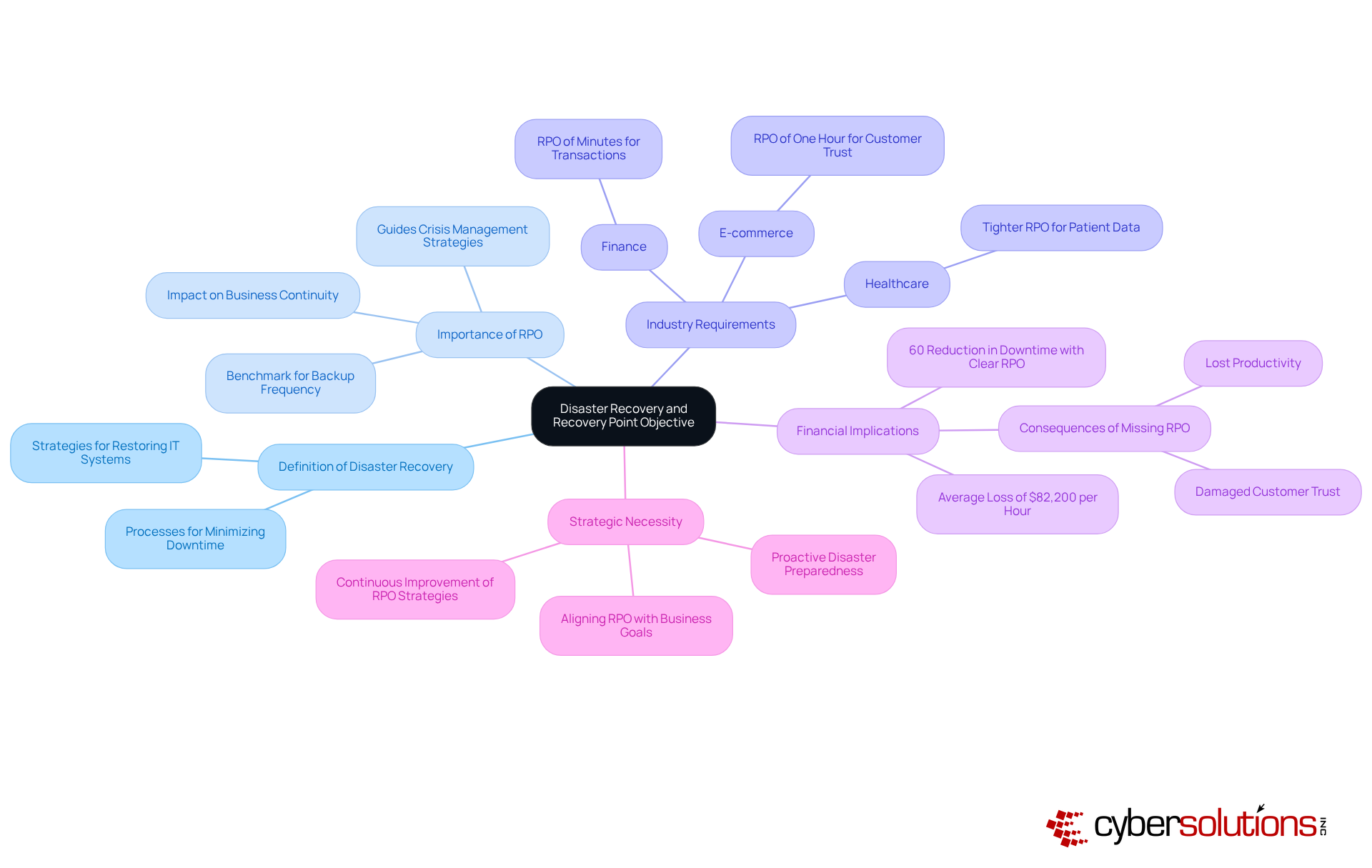
In an era where cyber threats loom large, the need for robust disaster recovery strategies in healthcare has never been more critical. Disaster Recovery (DR) involves the strategies and processes companies use to restore critical IT systems and data after disruptions like natural disasters, cyberattacks, or hardware failures. It encompasses a range of activities designed to minimize downtime and data loss, ensuring that business operations can resume as quickly as possible.
The DR RPO, or Recovery Point Objective, is an important metric in contingency planning that specifies the maximum permissible level of data loss assessed in time. For instance, if a company has an RPO of four hours, it indicates that in the case of an emergency, the entity can accept losing up to four hours' worth of data. Understanding these concepts is vital for C-suite leaders as they guide their organizations in developing effective crisis management strategies that align with business goals and compliance standards.
The importance of DR RPO cannot be overstated; it serves as a benchmark for establishing backup frequency and restoration strategies. Industries such as healthcare and finance, where data integrity is paramount, often require tighter DR RPO to mitigate risks associated with data loss. For example, financial firms may need an RPO of just a few minutes to ensure real-time transaction integrity, while e-commerce platforms might aim for an RPO of one hour to maintain customer trust and operational continuity.
By 2026, companies increasingly recognize the importance of well-defined DR RPO, with research suggesting that enterprises with clear DR RPO objectives can lessen downtime by roughly 60% during crisis events. Additionally, not achieving RPO objectives can lead to significant financial setbacks, with firms facing an average loss of $82,200 per hour without a dependable contingency plan. This stark reality compels C-suite leaders to act swiftly in defining their DR RPO to protect their organizations against potential disruptions. Prioritizing RPO is not just a strategic choice; it's a necessity for survival in today's volatile landscape.
Assess Industry-Specific Risks and Compliance Needs
In an era where cybersecurity threats loom large, healthcare organizations face unprecedented challenges in safeguarding sensitive patient data. C-suite executives must conduct a comprehensive assessment of industry-specific risks and compliance requirements that govern their operations. In healthcare, organizations are bound by stringent regulations such as HIPAA, which mandates the protection of patient data. Financial institutions, on the other hand, must adhere to PCI-DSS standards to safeguard payment information, reflecting the critical nature of compliance in these sectors. Additionally, compliance with standards like CMMC, SOX, and GDPR is essential for a holistic approach to regulatory adherence.
To tackle these challenges head-on, leaders need to:
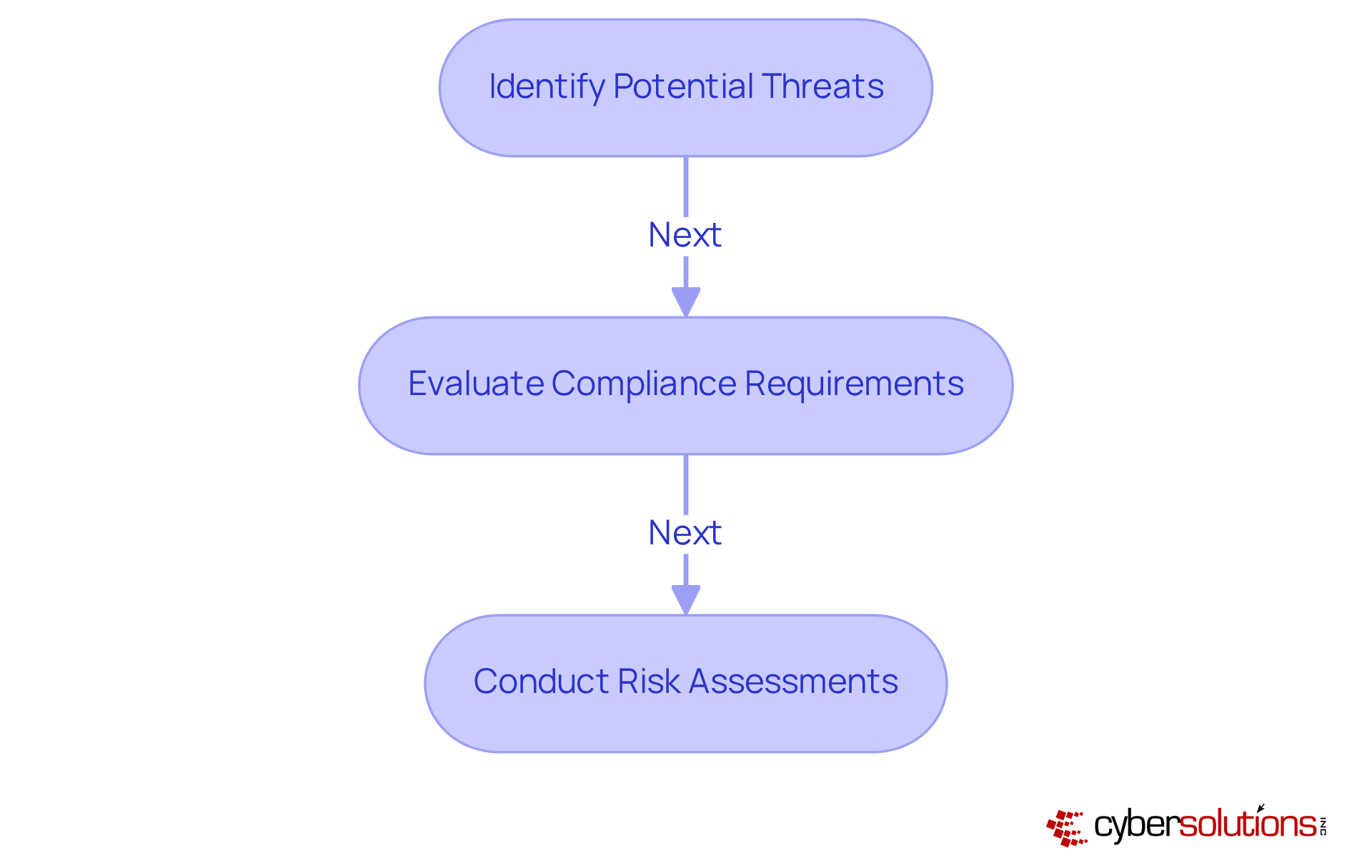
- Identify Potential Threats: Examine various emergency situations that could disrupt operations, including natural events, cyber threats, and human mistakes.
- Evaluate Compliance Requirements: Understand the legal and regulatory frameworks relevant to the entity, ensuring that the emergency response plan aligns with these standards. For example, the 2025 Compliance Benchmark Survey underscores that HIPAA Privacy is the greatest risk area for healthcare compliance, stressing the necessity for strong contingency strategies. CaaS assists companies in managing these complexities, providing expertise without the high expenses of in-house compliance personnel.
- Conduct Risk Assessments: Regularly perform risk assessments to identify vulnerabilities and prioritize them based on their potential impact on business continuity. This proactive approach is essential, as businesses face increasing disruptions, making it challenging to predict the nature and extent of potential threats. CaaS solutions include continuous monitoring and proactive risk assessments to keep systems aligned with current regulatory requirements.
By tackling these elements, C-suite executives can create a contingency plan that not only safeguards their entity but also guarantees adherence to industry standards, ultimately boosting operational resilience. Ultimately, embracing CaaS solutions empowers healthcare leaders to navigate compliance complexities while fortifying their organizations against evolving threats.
Develop a Comprehensive Disaster Recovery Plan
In an era where cyber threats loom large, a robust disaster response plan (DR RPO) is not just a safety net; it's a lifeline for healthcare organizations facing potential disruptions. C-suite leaders must ensure their DRP encompasses the following essential components:
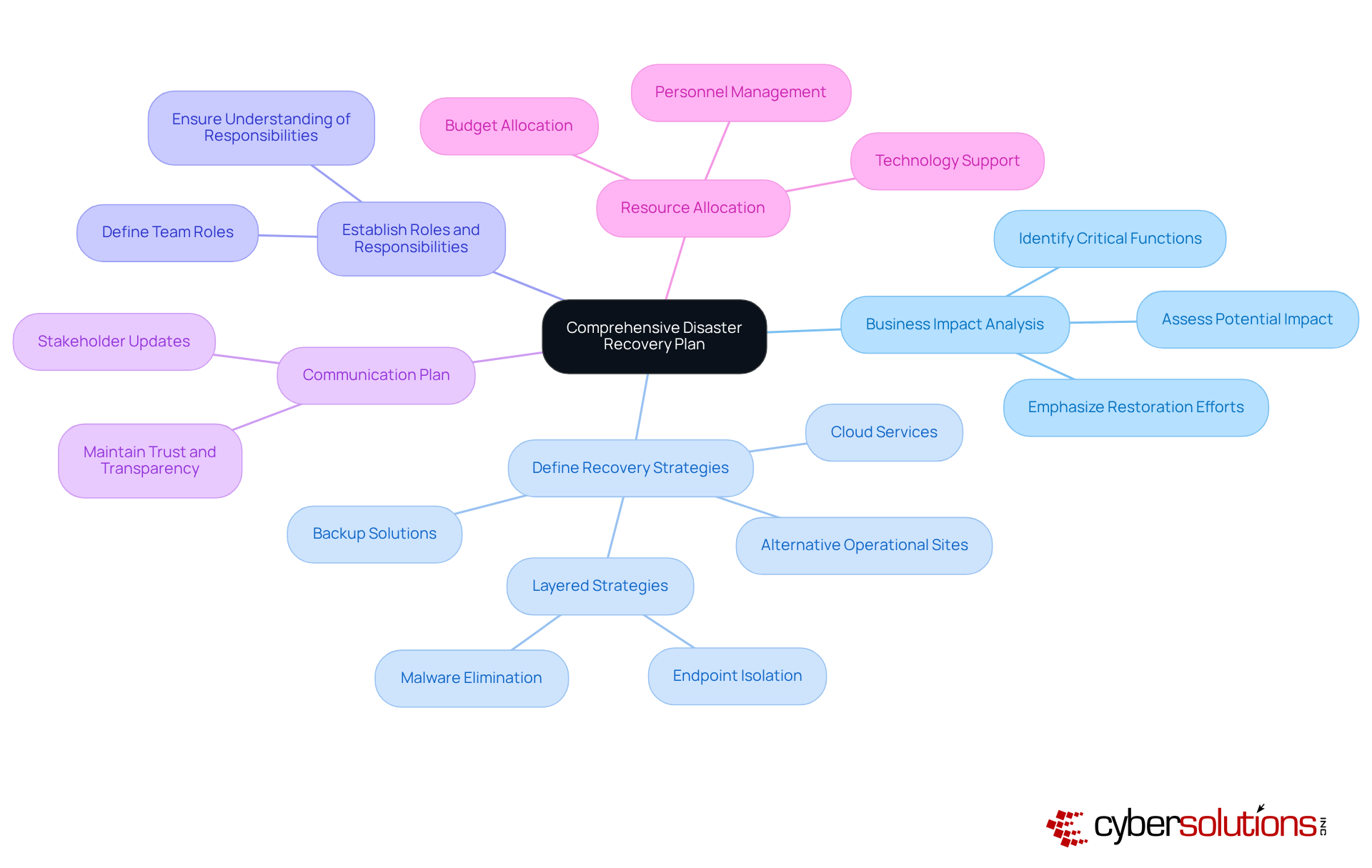
- Business Impact Analysis (BIA): Conducting a BIA is crucial for identifying critical business functions and assessing the potential impact of disruptions. This analysis emphasizes restoration efforts, enabling organizations to focus on what matters most.
- Define Recovery Strategies: Clearly outline specific strategies for recovering IT systems and data. This includes leveraging backup solutions, cloud services, and alternative operational sites to ensure continuity. A layered strategy, incorporating endpoint isolation and malware elimination, can improve restoration efforts, as shown in case studies where swift deployment resulted in successful outcomes.
- Establish Roles and Responsibilities: Clearly define the roles of team members involved in the emergency response process. Ensuring that everyone understands their responsibilities during a crisis is vital for effective response.
- Communication Plan: Develop a robust communication strategy to keep stakeholders informed during a disaster. This includes timely updates for employees, customers, and regulatory bodies to maintain trust and transparency.
- Resource Allocation: Allocate necessary resources, including budget, personnel, and technology, to support the implementation of the DRP. Effective resource management is essential for a swift return to normalcy.
Without a proactive approach to disaster response, organizations risk not only their operations but also the trust of those they serve, making a DR RPO an indispensable asset in today's healthcare landscape.
Implement Regular Testing and Updates for DR Plans
In an era where cyber threats loom large, the integrity of emergency response plans in healthcare is non-negotiable. To navigate these challenges effectively, C-suite leaders must embrace these essential best practices:
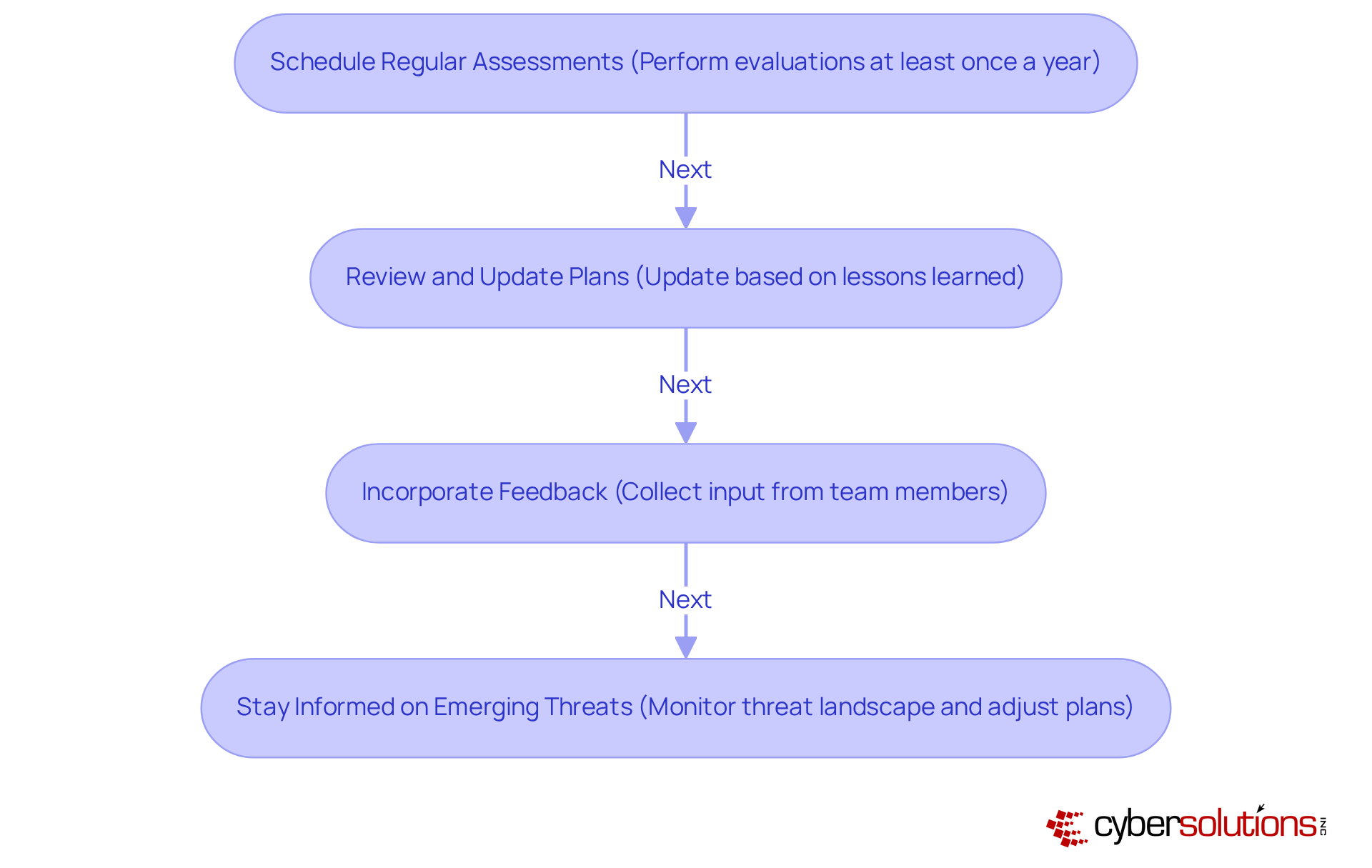
- Schedule Regular Assessments: Perform emergency response evaluations at least once a year, with essential systems evaluated more often. Testing can include tabletop exercises, simulations, and full-scale drills to evaluate the plan's effectiveness.
- Review and update plans: After each test, review the results and update the plans based on lessons learned to ensure the dr rpo is effective. This ensures that the plan remains relevant and effective in addressing current risks.
- Incorporate Feedback: Collect input from team members engaged in the testing process to identify areas for enhancement and improve the overall contingency strategy.
- Stay informed on emerging threats by continuously monitoring the threat landscape and adjusting the dr rpo to address new risks, such as evolving cyber threats or changes in regulatory requirements.
Without routine evaluations, organizations risk facing unpreparedness during actual emergencies. Ultimately, a proactive approach to disaster recovery not only safeguards assets but also fortifies the organization's resilience against future crises.
Conclusion
In healthcare, the stakes are high; effective disaster recovery strategies are not just important - they're essential for survival. C-suite leaders play a crucial role in ensuring their organizations are prepared for potential disruptions, safeguarding both data integrity and operational continuity. Executives must understand and implement robust DR practices. This enables them to navigate crisis management complexities while ensuring compliance with regulations and industry standards.
Throughout this discussion, key insights have emerged, emphasizing the necessity of:
- Assessing industry-specific risks
- Developing comprehensive disaster recovery plans
- Implementing regular testing and updates
The importance of conducting thorough risk assessments, establishing clear recovery strategies, and ensuring communication plans are in place cannot be overstated. Neglecting disaster recovery can cost organizations dearly, both financially and operationally. Moreover, the financial implications of neglecting these strategies, such as significant losses per hour of downtime, underscore the urgency for leaders to prioritize disaster recovery as a fundamental component of their organizational strategy.
The message is clear: proactive disaster recovery planning is essential. It is a strategic imperative that determines an organization's resilience against adversity. C-suite leaders must act now. They need to define their DR RPO, assess risks, and implement a recovery plan that adapts to emerging threats. By doing so, they not only protect their organizations but also reinforce their commitment to operational excellence and regulatory compliance in an increasingly uncertain landscape. The time to act is now; the resilience of your organization depends on it.
Frequently Asked Questions
What is Disaster Recovery (DR)?
Disaster Recovery (DR) involves the strategies and processes that companies use to restore critical IT systems and data after disruptions such as natural disasters, cyberattacks, or hardware failures. It aims to minimize downtime and data loss, ensuring that business operations can resume quickly.
What does Recovery Point Objective (RPO) mean?
Recovery Point Objective (RPO) is a metric in contingency planning that specifies the maximum permissible level of data loss assessed in time. For example, an RPO of four hours indicates that a company can accept losing up to four hours' worth of data in the event of an emergency.
Why is understanding DR and RPO important for C-suite leaders?
Understanding DR and RPO is vital for C-suite leaders as it helps them guide their organizations in developing effective crisis management strategies that align with business goals and compliance standards.
How does RPO impact industries like healthcare and finance?
Industries such as healthcare and finance require tighter DR RPO to mitigate risks associated with data loss. For instance, financial firms may need an RPO of just a few minutes to ensure real-time transaction integrity, while e-commerce platforms might aim for an RPO of one hour to maintain customer trust and operational continuity.
What are the benefits of having a well-defined DR RPO?
Companies with clear DR RPO objectives can reduce downtime by approximately 60% during crisis events. Additionally, not achieving RPO objectives can result in significant financial losses, averaging $82,200 per hour without a reliable contingency plan.
Why is prioritizing RPO considered a necessity for organizations?
Prioritizing RPO is essential for survival in today's volatile landscape, as it protects organizations against potential disruptions and helps maintain operational integrity and customer trust.
List of Sources
- Define Disaster Recovery and Recovery Point Objective
- dataprise.com (https://dataprise.com/resources/blog/what-is-recovery-point-objective)
- assuranceit.co (https://assuranceit.co/blog/5-important-disaster-recovery-quotes)
- hypersense-software.com (https://hypersense-software.com/blog/2025/06/24/recovery-point-objective-rpo-guide)
- commvault.com (https://commvault.com/blogs/the-importance-of-recovery-point-objective-rpo-in-your-business-continuity-plan)
- veeam.com (https://veeam.com/blog/recovery-time-recovery-point-objectives.html)
- Assess Industry-Specific Risks and Compliance Needs
- assuranceit.co (https://assuranceit.co/blog/5-important-disaster-recovery-quotes)
- hipaajournal.com (https://hipaajournal.com/hipaa-compliant-disaster-recovery)
- Healthcare Analytics Statistics 2026: Key Data and Trends (https://knowi.com/blog/healthcare-analytics-statistics-2026)
- accountablehq.com (https://accountablehq.com/post/the-ultimate-guide-to-healthcare-disaster-recovery-step-by-step-planning-best-practices-and-hipaa-compliance)
- compliance.com (https://compliance.com/resources/top-10-concerns-for-compliance-officers-in-2026)
- Develop a Comprehensive Disaster Recovery Plan
- assuranceit.co (https://assuranceit.co/blog/5-important-disaster-recovery-quotes)
- 30 Disaster Recovery Stats You Should Know (https://impactmybiz.com/blog/disaster-recovery-stats)
- wifitalents.com (https://wifitalents.com/disaster-recovery-industry-statistics)
- The Disaster Recovery Gap: 110+ Statistics Revealing Why 80% of Orgs Aren't Prepared & What It’s Costing Them (https://secureframe.com/blog/disaster-recovery-statistics)
- redriver.com (https://redriver.com/cloud/it-disaster-recovery-plan)
- Implement Regular Testing and Updates for DR Plans
- The Importance of Regular Disaster Recovery Testing and Updates - VAST (https://vastitservices.com/blog/the-importance-of-regular-disaster-recovery-testing-and-updates)
- cutover.com (https://cutover.com/blog/how-often-should-recovery-plans-be-tested)
- linkedin.com (https://linkedin.com/pulse/25-disaster-recovery-statistics-prove-every-business-needs-dale-bzpre)
- revenuememo.com (https://revenuememo.com/p/business-continuity-statistics)
- The Disaster Recovery Gap: 110+ Statistics Revealing Why 80% of Orgs Aren't Prepared & What It’s Costing Them (https://secureframe.com/blog/disaster-recovery-statistics)