Introduction
In today’s interconnected world, the urgency of robust cybersecurity measures is paramount, especially in the healthcare sector where cyber threats are ever-present. Internal vulnerability scanning stands out as a crucial practice that not only uncovers weaknesses within an organization’s network but also strengthens defenses against potential breaches. Yet, many executives find themselves questioning how to implement these scans effectively and ensure ongoing protection.
What best practices can organizations adopt to elevate vulnerability scanning from a mere compliance task into a strategic advantage that enhances their overall security posture? By understanding the current landscape of cybersecurity threats, healthcare organizations can better navigate the complexities they face.
Consider this: healthcare data breaches can lead to significant financial losses and damage to reputation. With the stakes so high, it’s essential for CFOs and executives to recognize that vulnerability scanning is not just about meeting regulatory requirements; it’s about safeguarding sensitive information and maintaining trust with patients.
To address these challenges effectively, Cyber Solutions can provide tailored strategies that transform vulnerability scanning into a proactive measure. By leveraging data and case studies, organizations can see the tangible benefits of a robust cybersecurity framework.
In conclusion, the time to act is now. Embracing best practices in vulnerability scanning can not only protect healthcare organizations from cyber threats but also position them as leaders in security and compliance.
Define Internal Vulnerability Scanning and Its Importance
In today's digital landscape, the importance of cybersecurity cannot be overstated, especially for healthcare organizations. Internal vulnerability scanning is a systematic procedure that detects, evaluates, and ranks vulnerabilities within a company's internal network. This practice is essential for several reasons:
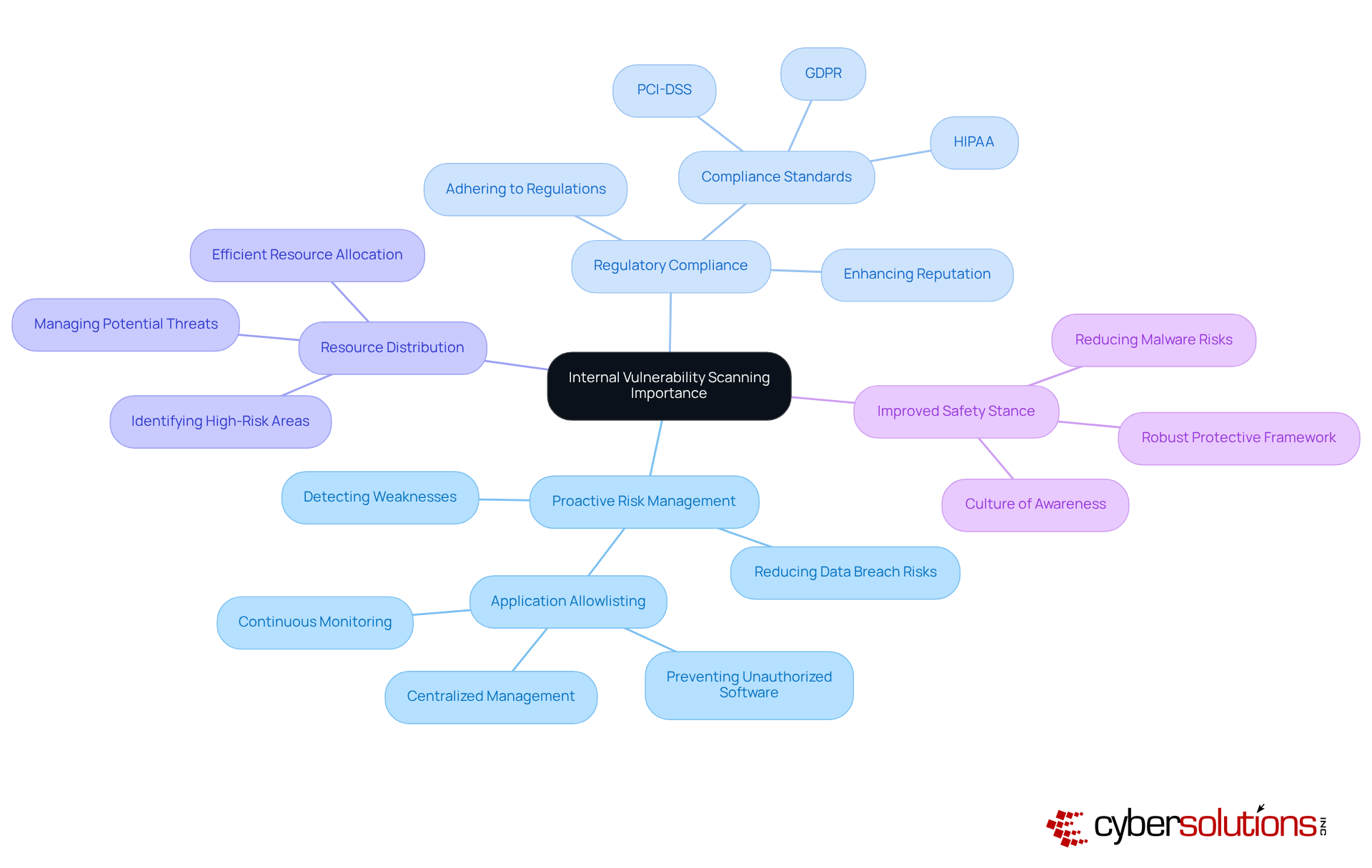
- Risk Mitigation: Recognizing weaknesses before they can be exploited allows companies to effectively reduce risks, significantly lowering the chances of data breaches and related financial losses. Vulnerability management complements this by preventing unauthorized software from executing, further minimizing the attack surface through features like centralized management and continuous monitoring.
- Regulatory Compliance: Many industries face regulations that mandate regular vulnerability assessments. Adhering to these regulations not only prevents penalties but also enhances the entity's reputation. Compliance programs assist organizations in meeting stringent compliance standards such as HIPAA, PCI-DSS, and GDPR, ensuring strict adherence to data protection protocols.
- Resource Distribution: Understanding where vulnerabilities exist enables organizations to allocate resources more efficiently, focusing on high-risk areas that require immediate attention. By limiting the applications that can execute, application allowlisting aids in identifying and managing potential threats more effectively.
- Improved Safety Stance: Routine assessments contribute to a robust protective framework, fostering a culture of awareness and continuous improvement within the organization. Integrating application control into this framework ensures that only approved applications run, significantly reducing the risk of malware and enhancing overall security.
In summary, internal vulnerability scanning is a vital component of a comprehensive cybersecurity strategy. It empowers organizations to protect their assets and maintain operational integrity while ensuring compliance and proactive defense against emerging threats. Are you ready to strengthen your cybersecurity posture?
Implement Best Practices for Conducting Internal Vulnerability Scans
In today's digital landscape, the importance of cybersecurity cannot be overstated, especially for healthcare organizations. With the rise of cyber threats, CFOs face unique challenges that demand immediate attention and action. To effectively conduct internal vulnerability scans, organizations should adhere to the following best practices:
- Establish a Clear Scope: Clearly define the systems, applications, and networks included in the scan. This thorough coverage assists in prioritizing essential assets and ensures that no major weaknesses are overlooked.
- Choose the Right Tools: Select reliable scanning tools tailored to the organization's specific requirements. These tools provide comprehensive assessments and offer actionable insights, improving the overall security stance. Organizations that implement predictive AI tools for threat detection and remediation can lower breach-related expenses by as much as 30%.
- Schedule Regular Checks: Implement a routine inspection schedule, such as monthly or quarterly, to promptly identify new vulnerabilities. Adjust the frequency based on the organization's risk profile and regulatory requirements, as continuous monitoring can significantly reduce operational downtime by up to 40%.
- Collaborate: Engage relevant stakeholders, including IT, compliance, and executive teams, to ensure the scanning process aligns with organizational goals and compliance mandates. Collaboration promotes a cohesive approach to risk management.
- Document Findings: Maintain detailed records of scan results, remediation actions taken, and follow-up assessments. This documentation is essential for audits and internal reviews, providing a clear trail of the entity's security posture. Notably, thorough documentation underscores the importance of maintaining transparency.
- Train Staff: Provide training for staff involved in the scanning process to ensure they understand the tools and methodologies used. This promotes a culture of awareness regarding safety and enables employees to contribute effectively to the entity's cybersecurity initiatives.
By applying these optimal strategies, companies can enhance their threat management procedures through proactive measures and significantly reduce their risk exposure, effectively addressing the critical issues posed by evolving cyber threats.

Ensure Continuous Monitoring and Remediation Post-Scanning
In today's rapidly evolving digital landscape, the importance of cybersecurity cannot be overstated, especially in the healthcare sector. Organizations must not only identify vulnerabilities but also implement robust security measures along with remediation strategies to fortify their security posture. Here’s how:
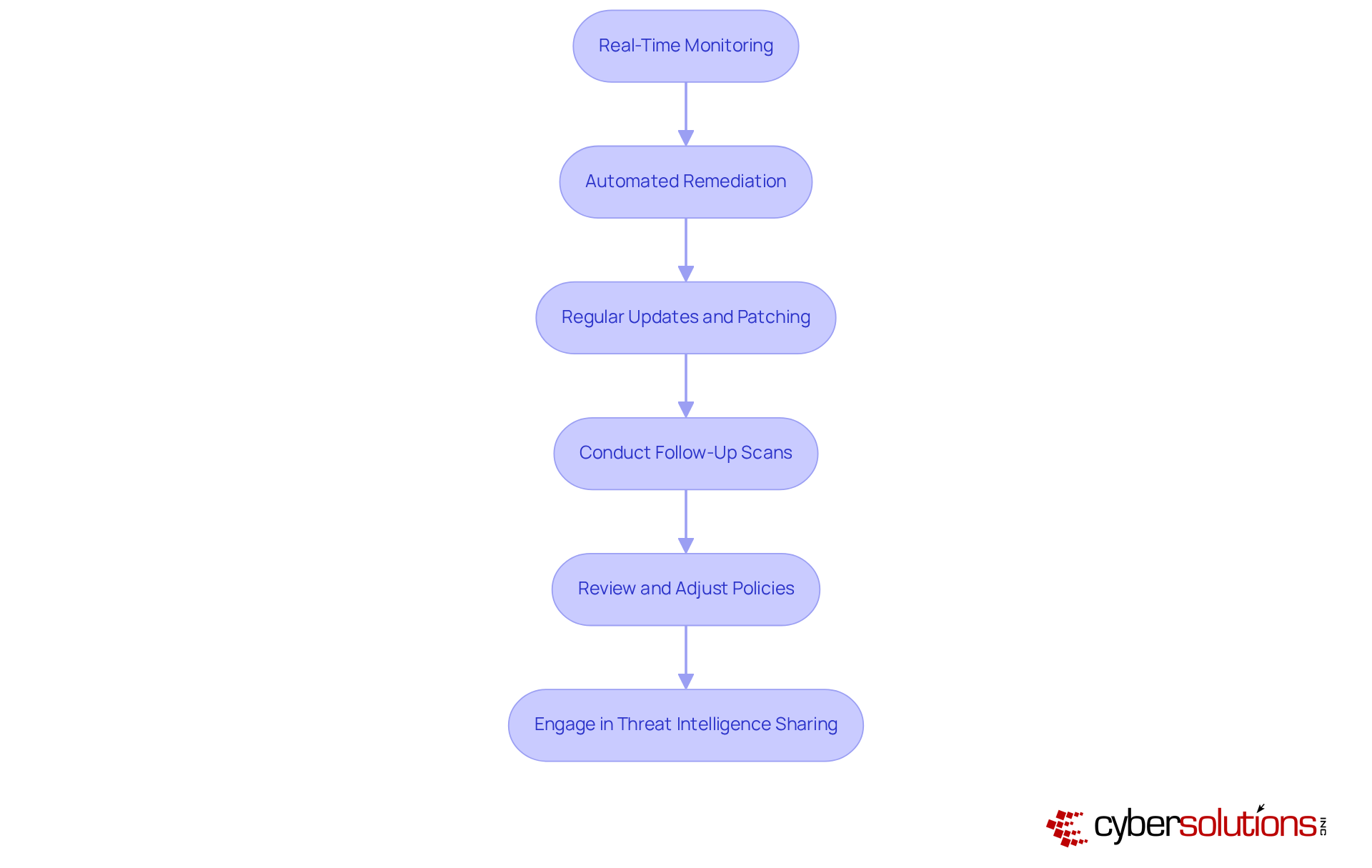
- Real-Time Monitoring: Leverage security information and event management (SIEM) systems to keep a vigilant eye on network activity. This proactive approach enables swift identification of suspicious behavior and potential weaknesses through continuous analysis.
- Automation: Where possible, automate the correction of identified vulnerabilities. This strategy can drastically reduce the time required to address issues, minimizing the window of exposure and risk.
- Regular Updates and Patching: Consistently update and patch all systems and applications to protect against newly discovered vulnerabilities. Establish a patch management policy that prioritizes critical updates to ensure timely responses.
- Follow-Up Scans: Schedule follow-up scans post-remediation to confirm that vulnerabilities have been effectively addressed. This crucial step, involving verification processes, ensures that your organization remains secure against potential threats.
- Policy Review: Regularly revisit security policies and procedures, ensuring they include best practices to adapt to the ever-changing threat landscape. This includes updating scanning methodologies and response strategies based on the latest insights and technologies.
- Threat Intelligence: Actively participate in threat intelligence sharing initiatives to stay informed about emerging threats and vulnerabilities relevant to your sector.
By committing to continuous monitoring and proactive remediation, organizations can significantly bolster their cybersecurity resilience, safeguarding critical assets against evolving threats. Are you ready to take the necessary steps to protect your organization?
Conclusion
Internal vulnerability scanning stands as a cornerstone of cybersecurity, especially for organizations in the healthcare sector. In a landscape where cyber threats are ever-evolving, it’s crucial for these organizations to protect their internal networks from potential dangers. By systematically identifying and addressing vulnerabilities, companies not only safeguard sensitive data but also bolster their overall security posture and ensure compliance with regulatory standards.
Consider the implications: proactive risk management is essential. Vulnerability scanning not only facilitates this but also underscores the importance of adhering to regulatory requirements. Efficient resource allocation becomes paramount, as organizations must navigate the complexities of their security needs. Best practices for conducting effective scans include:
- Establishing clear scopes
- Utilizing the right tools
- Ensuring continuous monitoring and remediation
These practices are vital for cultivating a culture of security awareness and preparedness within organizations.
The significance of internal vulnerability scanning cannot be overstated. As cyber threats continue to evolve, organizations must prioritize these strategies to protect their assets and maintain operational integrity. Are you ready to take action? Implementing robust scanning and remediation practices now will not only mitigate risks but also position organizations for long-term success in an increasingly complex digital landscape. The time to act is now.
Frequently Asked Questions
What is internal vulnerability scanning?
Internal vulnerability scanning is a systematic procedure that detects, evaluates, and ranks vulnerabilities within a company's internal network.
Why is internal vulnerability scanning important for organizations?
It is important because it allows organizations to proactively manage risks, comply with regulations, allocate resources efficiently, and improve their overall safety stance.
How does internal vulnerability scanning contribute to proactive risk management?
By recognizing weaknesses before they can be exploited, organizations can effectively reduce risks, significantly lowering the chances of data breaches and related financial losses.
What role does application allowlisting play in internal vulnerability scanning?
Application allowlisting prevents unauthorized software from executing, minimizing the attack surface and enhancing security through features like centralized management and continuous monitoring.
How does internal vulnerability scanning help with regulatory compliance?
Many industries have regulations that require regular vulnerability assessments. Adhering to these regulations helps prevent penalties and enhances the organization's reputation.
In what way does understanding vulnerabilities assist in resource distribution?
By identifying where vulnerabilities exist, organizations can allocate resources more efficiently, focusing on high-risk areas that need immediate attention.
What is the impact of routine assessments on an organization's safety stance?
Routine assessments contribute to a robust protective framework and foster a culture of awareness and continuous improvement, significantly reducing the risk of malware.
What is the overall benefit of internal vulnerability scanning in cybersecurity?
It empowers organizations to protect their assets, maintain operational integrity, ensure compliance, and proactively defend against emerging threats.
List of Sources
- Implement Best Practices for Conducting Internal Vulnerability Scans
- getastra.com (https://getastra.com/blog/security-audit/cyber-security-vulnerability-statistics)
- deepstrike.io (https://deepstrike.io/blog/vulnerability-statistics-2025)
- comparecheapssl.com (https://comparecheapssl.com/vulnerability-management-statistics-key-insights-trends)
- edgescan.com (https://edgescan.com/stats-report)