Introduction
As cyber threats become increasingly sophisticated, organizations face mounting pressure to safeguard their digital assets. This reality underscores the critical importance of robust cybersecurity measures.
Network Security as a Service (NSaaS) emerges as a pivotal solution, offering a cloud-based framework that alleviates the complexities of traditional security measures while enhancing protection.
This article delves into the essential components and implementation strategies of NSaaS, posing a critical question: how can businesses effectively transition to this model to fortify their defenses against an evolving threat landscape?
Define Network Security as a Service (NSaaS)
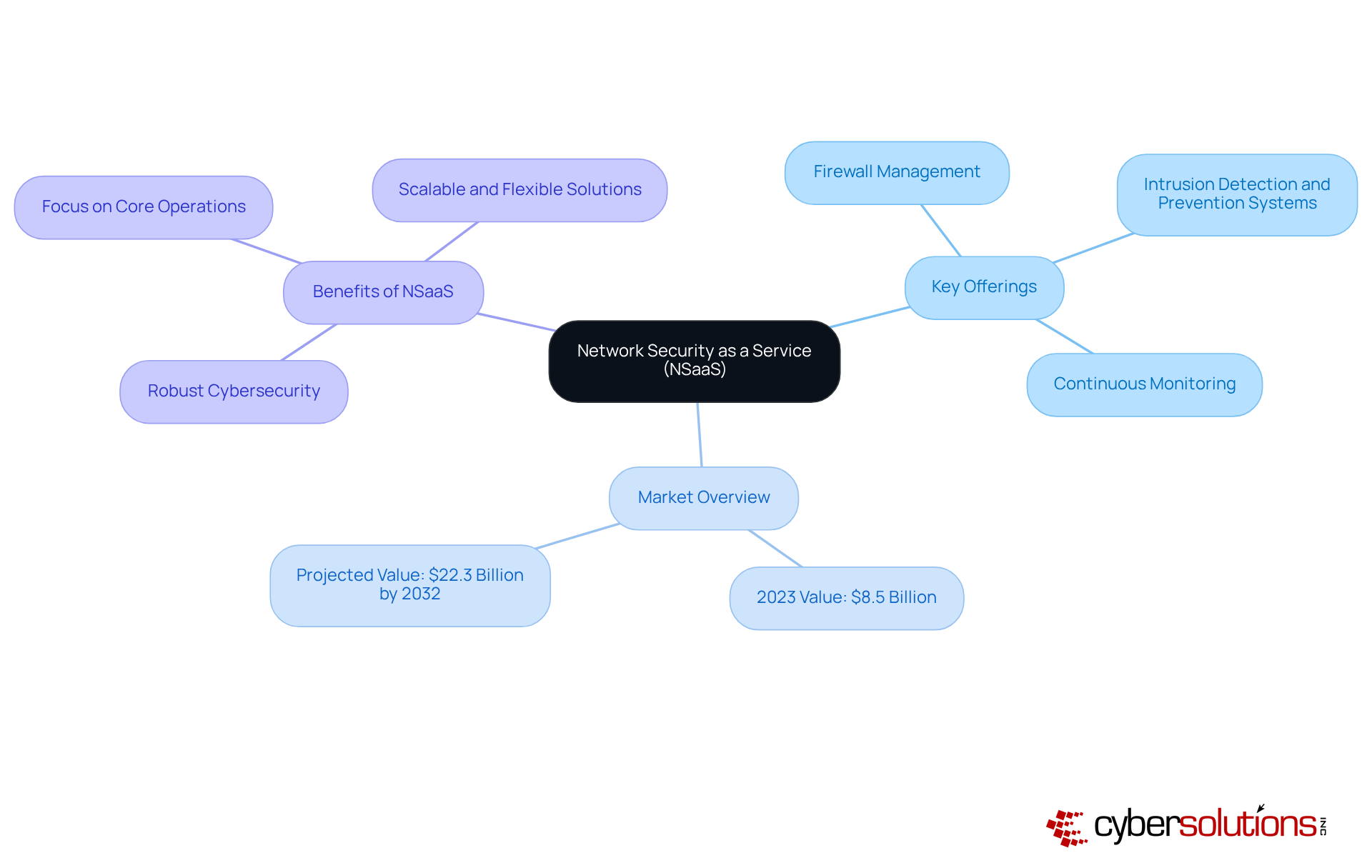
In today's digital landscape, Network Security as a Service stands as a critical solution for organizations seeking robust protection. This offers extensive network safeguarding, effectively eliminating the burdens associated with on-site hardware management. Key offerings include:
All delivered through a flexible subscription model. This framework empowers institutions to enhance their defenses in response to evolving threats, leveraging advanced technologies and expert knowledge in cybersecurity.
By outsourcing these essential functions, businesses can focus on their core operations, secure in the knowledge that they are fortified against increasingly sophisticated attacks. The global market for network services as software, valued at approximately $8.5 billion in 2023, is projected to reach $22.3 billion by 2032, reflecting a compound annual growth rate (CAGR) of 11.2%. This remarkable growth underscores the importance of NSaaS as organizations strive to bolster their protection measures and operational effectiveness.
In an era where cybersecurity is paramount, embracing NSaaS is not just a strategic move; it is an imperative for organizations committed to safeguarding their assets and ensuring resilience against the ever-present threat landscape.
Explain the Importance of NSaaS for Modern Businesses
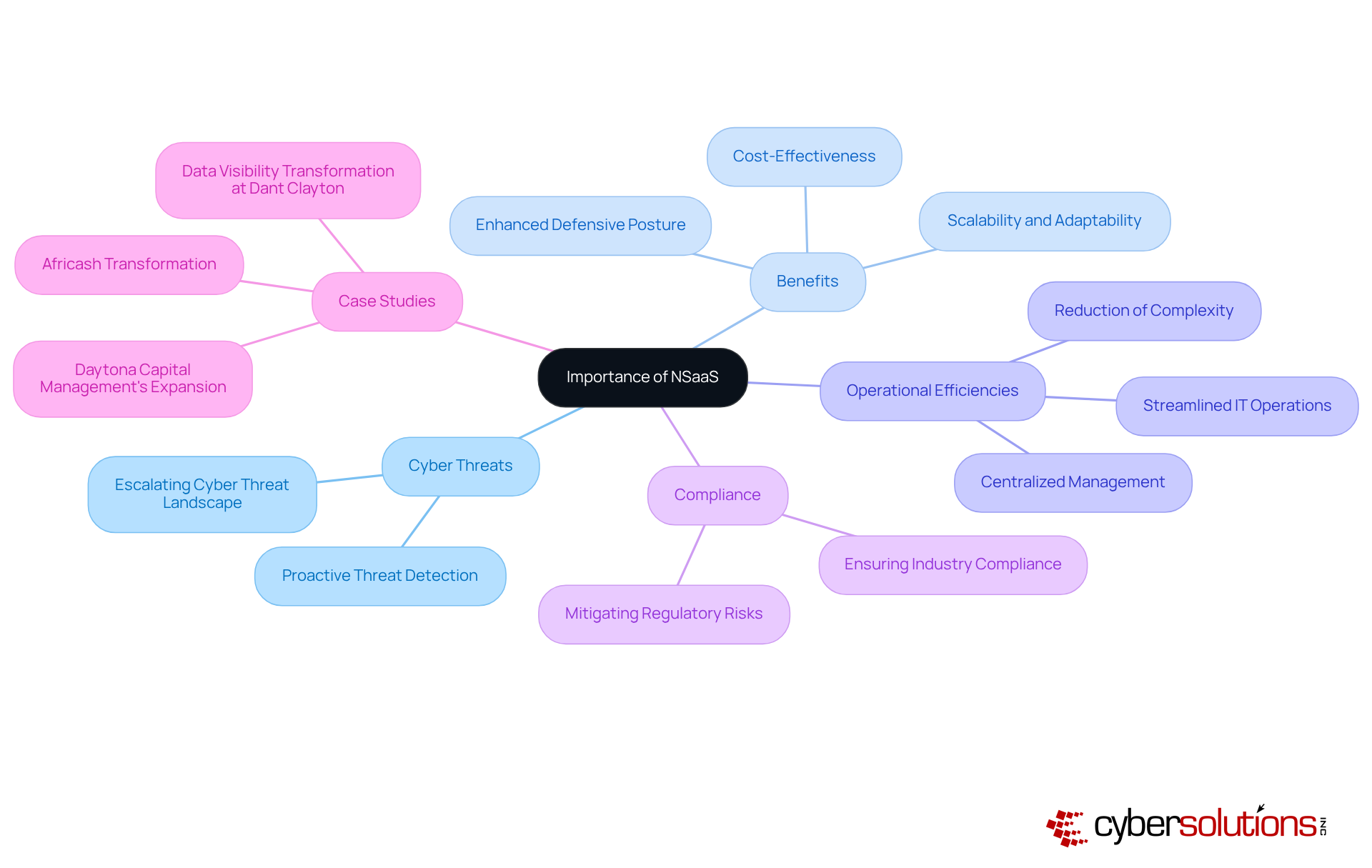
In the current landscape of escalating cyber threats, NSaaS emerges as an indispensable solution for modern enterprises. Its significance lies in delivering scalable, adaptable, and secure solutions that evolve alongside the shifting threat environment. By adopting NSaaS, organizations can significantly enhance their security posture while reducing the complexities related to managing complex infrastructures. Furthermore, this service is vital for ensuring data protection, thereby safeguarding sensitive information. As businesses increasingly depend on digital operations, the demand for NSaaS intensifies, positioning this service as a fundamental element of any comprehensive cybersecurity strategy.
Cyber Solutions provides continuous monitoring of your systems to detect anomalies and potential vulnerabilities, ensuring that suspicious activities are intercepted before they escalate into threats. This proactive approach, paired with a layered strategy that encompasses endpoint isolation and user training, significantly enhances recovery from incidents such as ransomware attacks. This effectiveness is exemplified by our successful restoration of 4,500 endpoints for a healthcare provider. According to the GTT Editorial Team, "By transitioning network and security services to the cloud, this approach eliminates the need for extensive on-site infrastructure and multiple truck rolls while centralizing management and streamlining IT operations." This statement underscores the importance of efficiency through Network Software as a Service.
Moreover, case studies such as the transformation of Africash, which evolved into a leading financial service offering following the adoption of the service model, illustrate the benefits of NSaaS. As the cybersecurity landscape continues to evolve, investing in NSaaS is not merely a strategic advantage; it is an essential necessity for contemporary businesses.
Detail Key Components and Technologies of NSaaS
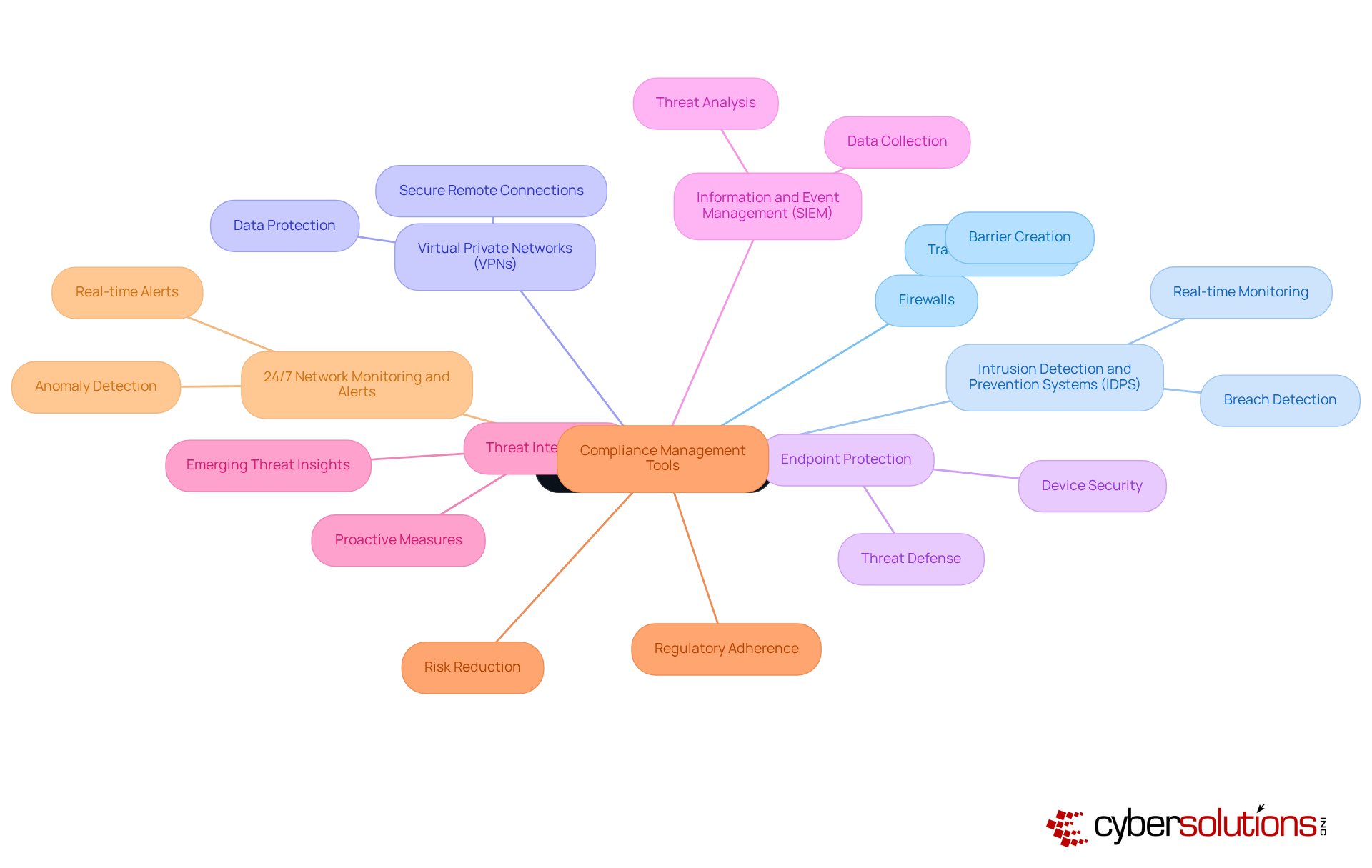
In today's digital landscape, the significance of cannot be overstated. As organizations face increasing cybersecurity threats, understanding the key components of is crucial for safeguarding sensitive information and maintaining operational integrity.
- Firewalls are essential for managing incoming and outgoing data traffic based on established security protocols, effectively forming a barrier between trusted internal systems and untrusted external ones.
- (IDPS) continuously monitor data traffic for suspicious activities, enabling organizations to detect and respond to potential breaches in real-time.
- (VPNs) enable secure connections for remote users, ensuring that sensitive organizational information remains safeguarded while accessed from outside the corporate system.
- Endpoint Protection technology protects devices linked to the system, such as laptops and smartphones, from various threats, ensuring that all endpoints uphold a robust defense stance.
- (SIEM) solutions collect and analyze data from across the network, providing insights that assist in identifying potential threats and optimizing incident response efforts.
- offers insights into emerging threats and vulnerabilities, enabling entities to adopt proactive protective measures, thereby enhancing their overall defense strategies.
- assist entities in adhering to relevant regulations and standards, reducing the risk of non-compliance penalties and ensuring that protective practices align with industry requirements.
- continuously detect anomalies and potential vulnerabilities, providing instant alerts and real-time insights that allow for swift action to prevent downtime or breaches. This proactive approach is essential for and maintaining eligibility for lucrative government contracts.
Incorporating these technologies into not only strengthens an organization's protective structure but also enhances operational effectiveness. This enables businesses to concentrate on their primary goals while ensuring a robust defense against advancing cyber threats.
Guide to Implementing Network Security as a Service
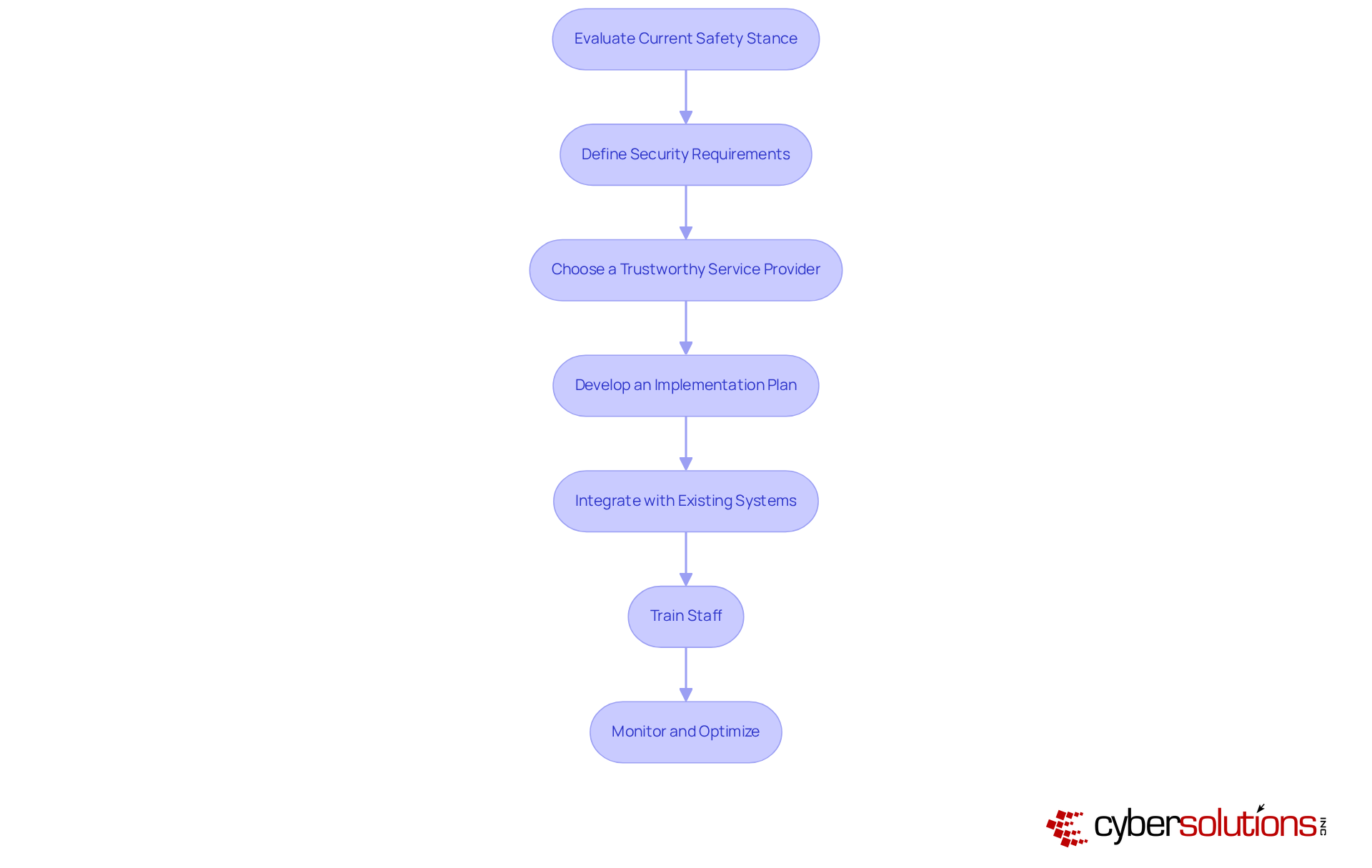
Implementing NSaaS is crucial for organizations aiming to bolster their cyber security. The following essential steps will guide you through a successful transition:
- Assess Current Security: Begin by reviewing existing protective measures to identify weaknesses and gaps that the service can effectively address. This assessment should encompass a thorough review of current protocols, technologies, and compliance with industry regulations.
- Define Security Requirements: Clearly outline specific security needs based on your organization’s size, industry, and regulatory landscape. This step is vital for customizing the service solution to meet operational needs effectively.
- Research Providers: Conduct comprehensive research to select a provider with a proven history of delivering solutions tailored to your sector’s needs. Look for providers that offer extensive support and have successfully enhanced security for similar organizations.
- Develop Implementation Plan: Create a detailed implementation plan that outlines the timeline, necessary resources, and assigned responsibilities for integration. This plan should also incorporate milestones to track progress and ensure accountability.
- Integrate with Existing Systems: Ensure that the service solution merges seamlessly with your current IT infrastructure and workflows. This integration is essential to minimize disruptions and maintain operational efficiency during the transition.
- Provide Training: Provide training on utilizing the new service tools and understanding their roles in maintaining security. Effective training fosters a culture of awareness and enables staff to contribute to the organization’s cybersecurity initiatives.
- Monitor Performance: Continuously monitor the effectiveness of the NSaaS solution, utilizing metrics to assess performance and compliance. Regularly review and optimize the system to adapt to evolving threats and enhance your overall security.
Conclusion
Embracing Network Security as a Service (NSaaS) is not merely beneficial; it is essential for organizations striving to navigate today’s intricate cybersecurity landscape. This innovative approach alleviates the burden of managing on-site hardware while equipping businesses with advanced protection against ever-evolving threats. By leveraging NSaaS, companies can concentrate on their core operations, ensuring their digital assets remain secure.
The article highlights several key aspects of NSaaS, including:
- Its critical role in providing scalable and adaptable security solutions
- The vital technologies involved
- The necessary steps for successful implementation
From firewalls and intrusion detection systems to compliance management tools, these components collaborate to create a robust defense strategy. Furthermore, the guide underscores the necessity of evaluating current security measures, defining specific requirements, and selecting a reliable service provider to facilitate a seamless transition.
As cyber threats escalate, organizations must prioritize their cybersecurity strategies. Investing in NSaaS not only fortifies defensive measures but also enhances operational efficiency and compliance. By adopting this model, businesses position themselves to thrive in a digital-first world, ensuring they are well-prepared to confront the challenges of tomorrow. The time to act is now—fortify defenses and embrace the future of network security.
Frequently Asked Questions
What is Network Security as a Service (NSaaS)?
Network Security as a Service (NSaaS) is a cloud-based model that provides organizations with extensive network protection, including firewall management, intrusion detection and prevention systems, and continuous monitoring, all delivered through a flexible subscription model.
What are the key offerings of NSaaS?
The key offerings of NSaaS include firewall management, intrusion detection and prevention systems, and continuous monitoring.
How does NSaaS benefit organizations?
NSaaS allows organizations to outsource essential cybersecurity functions, enabling them to focus on their core operations while ensuring robust protection against sophisticated cyber threats.
What is the current market value of NSaaS?
The global market for network services as software is valued at approximately $8.5 billion in 2023.
What is the projected growth of the NSaaS market?
The NSaaS market is projected to reach $22.3 billion by 2032, reflecting a compound annual growth rate (CAGR) of 11.2%.
Why is NSaaS considered imperative for organizations?
NSaaS is considered imperative because it helps organizations safeguard their assets and ensure resilience against the ever-present threat landscape in today's digital world.
List of Sources
- Define Network Security as a Service (NSaaS)
- consultip.com (https://consultip.com/security)
- datacollaborationservices.com (https://datacollaborationservices.com/it-services/network-security-audits)
- labyrinth-cyber.com (https://labyrinth-cyber.com/cyber-security-products/network-security-as-a-service)
- dataintelo.com (https://dataintelo.com/report/global-network-security-as-a-service-market)
- Explain the Importance of NSaaS for Modern Businesses
- akitra.com (https://akitra.com/case_studies/dbtez-turned-soc-2-compliance-into-a-competitive-edge)
- allcloud.io (https://allcloud.io/case_studies/dant-clayton)
- netspi.com (https://netspi.com/blog/executive-blog/security-industry-trends/quotes-on-the-state-of-offensive-security)
- remitone.com (https://remitone.com/case_studies)
- gtt.net (https://gtt.net/us-en/resources/blog/how-does-nsaas-benefit-your-business)
- Detail Key Components and Technologies of NSaaS
- Network Security (https://infosecurity-magazine.com/network-security)
- The Hacker News | #1 Trusted Source for Cybersecurity News (https://thehackernews.com)
- opsmx.com (https://opsmx.com/customer-case-study)
- Security Week Home (https://securityweek.com)
- eccu.edu (https://eccu.edu/blog/the-latest-cybersecurity-technologies-and-trends)
- Guide to Implementing Network Security as a Service
- bloombase.com (https://bloombase.com/blog/what-builds-the-most-secure-next-gen-datacenter)
- cyberproof.com (https://cyberproof.com/siem/network-security-best-practices-protecting-your-assets)
- metomic.io (https://metomic.io/resource-centre/what-is-security-posture-and-how-to-improve-it)
- cloudeagle.ai (https://cloudeagle.ai/blogs/saas-security-best-practices)
- gtt.net (https://gtt.net/us-en/resources/blog/nsaas-vs-traditional-security-solutions)