
Introduction
The digital landscape is evolving at an unprecedented pace, underscoring the critical role of managed service providers (MSPs) in today’s business environment. These specialized entities not only protect organizations from cybersecurity threats but also boost operational efficiency, enabling companies to concentrate on their core missions. As the demand for MSP services surges, the complexity of establishing a successful provider business also increases.
What essential steps must be taken to navigate this competitive market and ensure profitability while addressing the diverse needs of clients? This guide explores seven critical steps to building a thriving managed service provider business, offering insights and strategies that can turn potential challenges into opportunities for growth.
Define Managed Service Providers and Their Role in IT
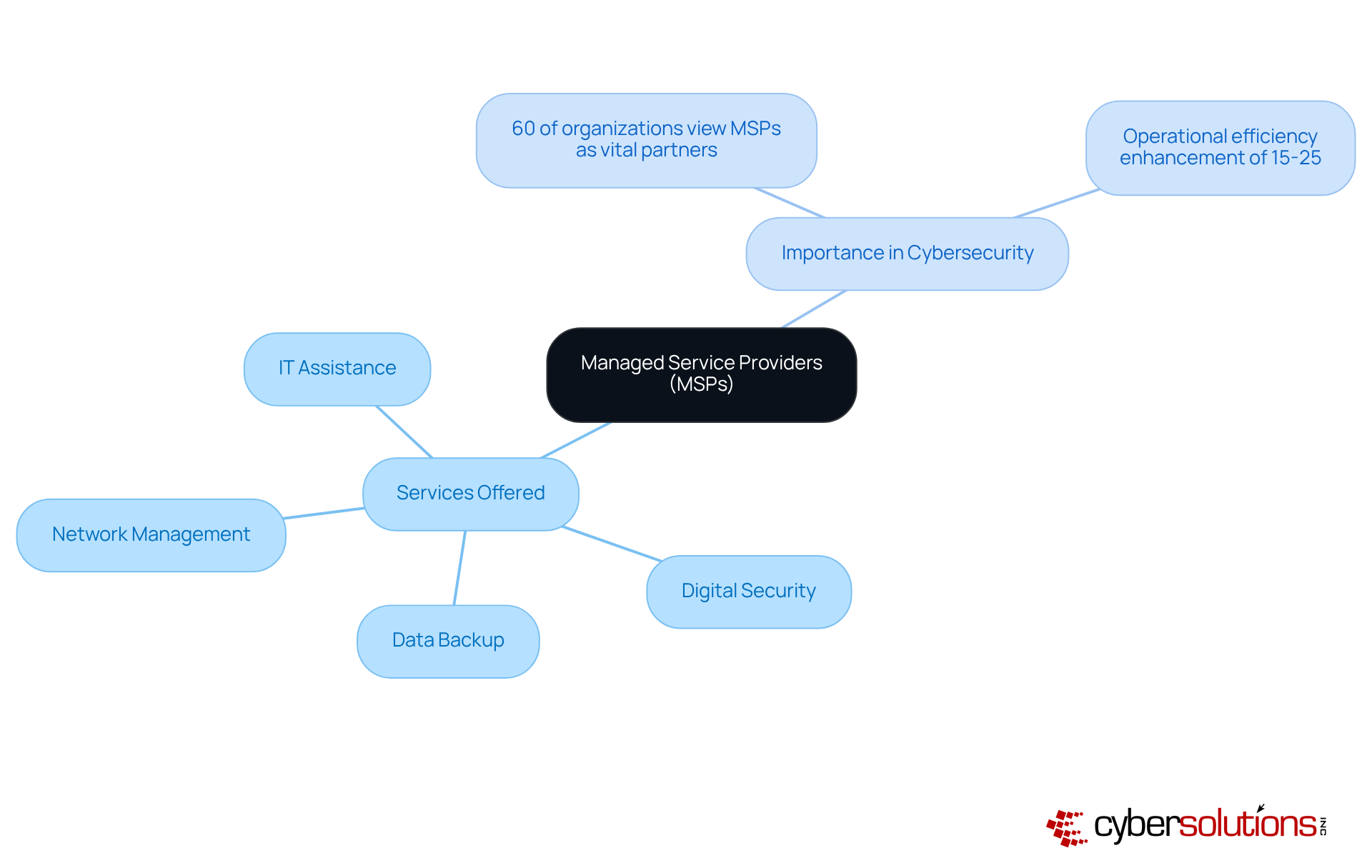
es are essential allies in the fight against cybersecurity threats, particularly as organizations face an increasingly complex digital landscape. These specialized companies, known as managed service providers, remotely oversee a customer's IT infrastructure and end-user systems, providing a range of services. As a result, their offerings include:
- Digital security services
All aimed at ensuring seamless and secure IT operations. This allows businesses to focus on their core functions without the burden of managing intricate IT environments.
As the importance of cybersecurity continues to grow, especially in sectors like healthcare, the managed service provider plays a pivotal role. By delivering tailored solutions, they strengthen security measures, and mitigate risks. In fact, a recent survey revealed that 60% of organizations view the managed service provider as vital partners in navigating cybersecurity challenges. This statistic underscores the increasing reliance on the managed service provider as organizations recognize the necessity of robust cybersecurity strategies.
Moreover, the managed service provider is projected to enhance operational efficiency by 15-25% through improved processes and minimized disruptions. This evolution highlights not only their role in safeguarding data but also their contribution to the overall business success. In a rapidly changing digital landscape, can organizations afford to overlook the value that MSPs bring? The answer is clear: partnering with a managed service provider is not just a strategic advantage; it’s a necessity for thriving in today’s environment.
Develop a Comprehensive Business Plan for Your MSP
To create a robust business plan for your MSP, it’s crucial to understand the current landscape of IT services, especially in sectors like healthcare. With the increasing reliance on technology, businesses face unique challenges that demand effective solutions. Here are key elements to consider:
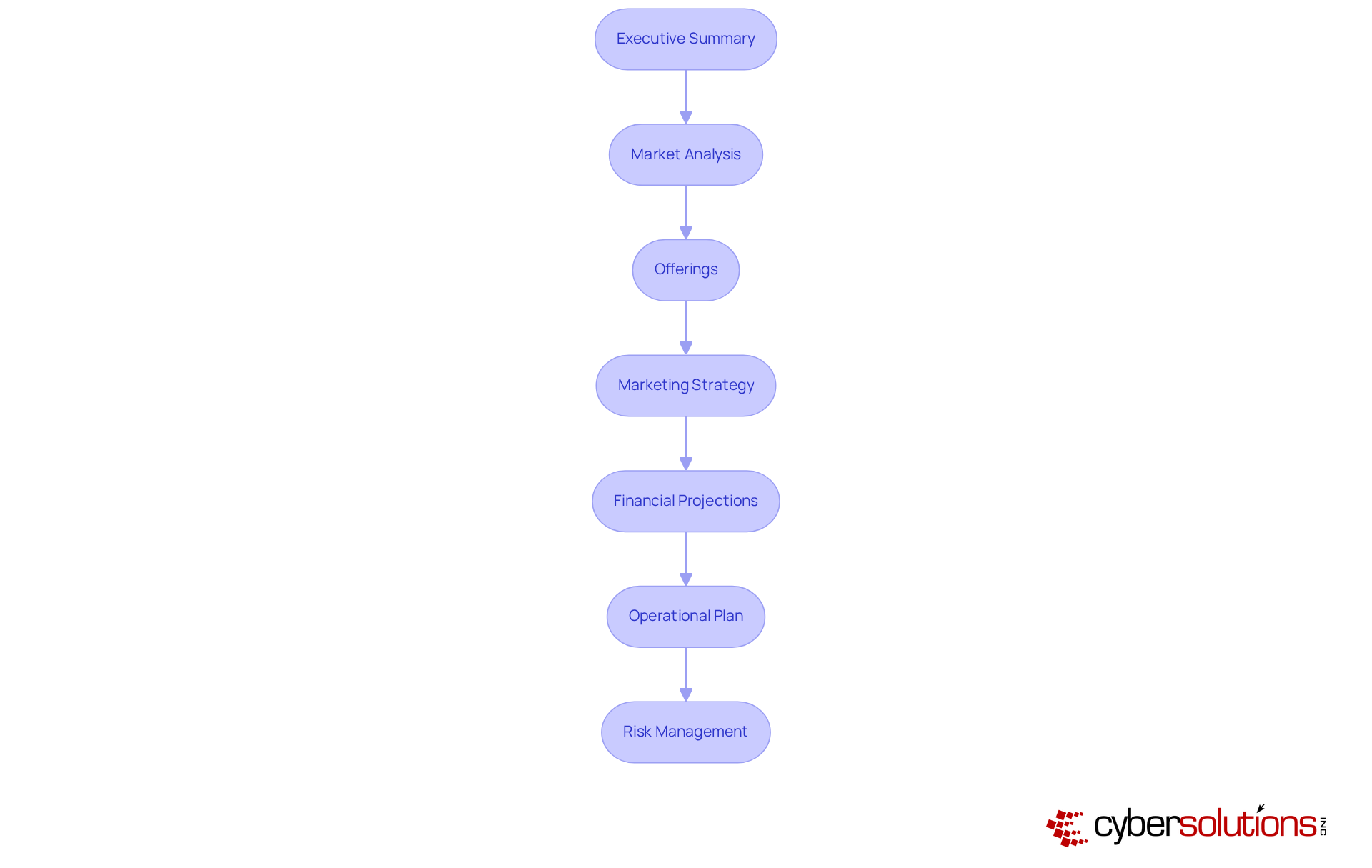
- Executive Summary: Clearly articulate your business objectives, mission statement, and the specific services you intend to offer. Ensure these align with market demands, particularly in cybersecurity, where the stakes are high.
- Market Analysis: Conduct thorough research on your target market. Identify potential clients and analyze competitors. Highlight that your services can effectively address security measures and compliance, which are increasingly prioritized by businesses.
- Offerings: Clearly delineate the provisions you will provide, such as managed IT support, cybersecurity solutions, and cloud services. Emphasize how these offerings meet the evolving needs of various industries, including healthcare and finance.
- Marketing Strategy: Formulate a comprehensive marketing plan that leverages digital marketing, networking, and strategic partnerships to attract and retain clients. Consider the increasing trend of outsourcing IT requirements, which is driving demand for MSP offerings.
- Financial Projections: Develop detailed financial forecasts, including startup costs, revenue projections, and break-even analysis. Understanding your financial landscape is crucial, especially as the market is projected to grow significantly, reaching USD 731.1 billion by 2030.
- Operational Plan: Outline the day-to-day operations of your MSP, including staffing requirements, technology infrastructure, and service delivery processes. Automation tools can enhance efficiency and reduce operational costs, allowing your team to focus on complex issues.
- Risk Management: Identify potential risks, particularly in cybersecurity and data breaches, and outline strategies to mitigate them. With nearly 1 in 4 small and mid-sized enterprises encountering cyberattacks in 2025, a proactive approach is essential for preserving customer trust and operational integrity.
Understand Legal and Compliance Requirements for MSPs
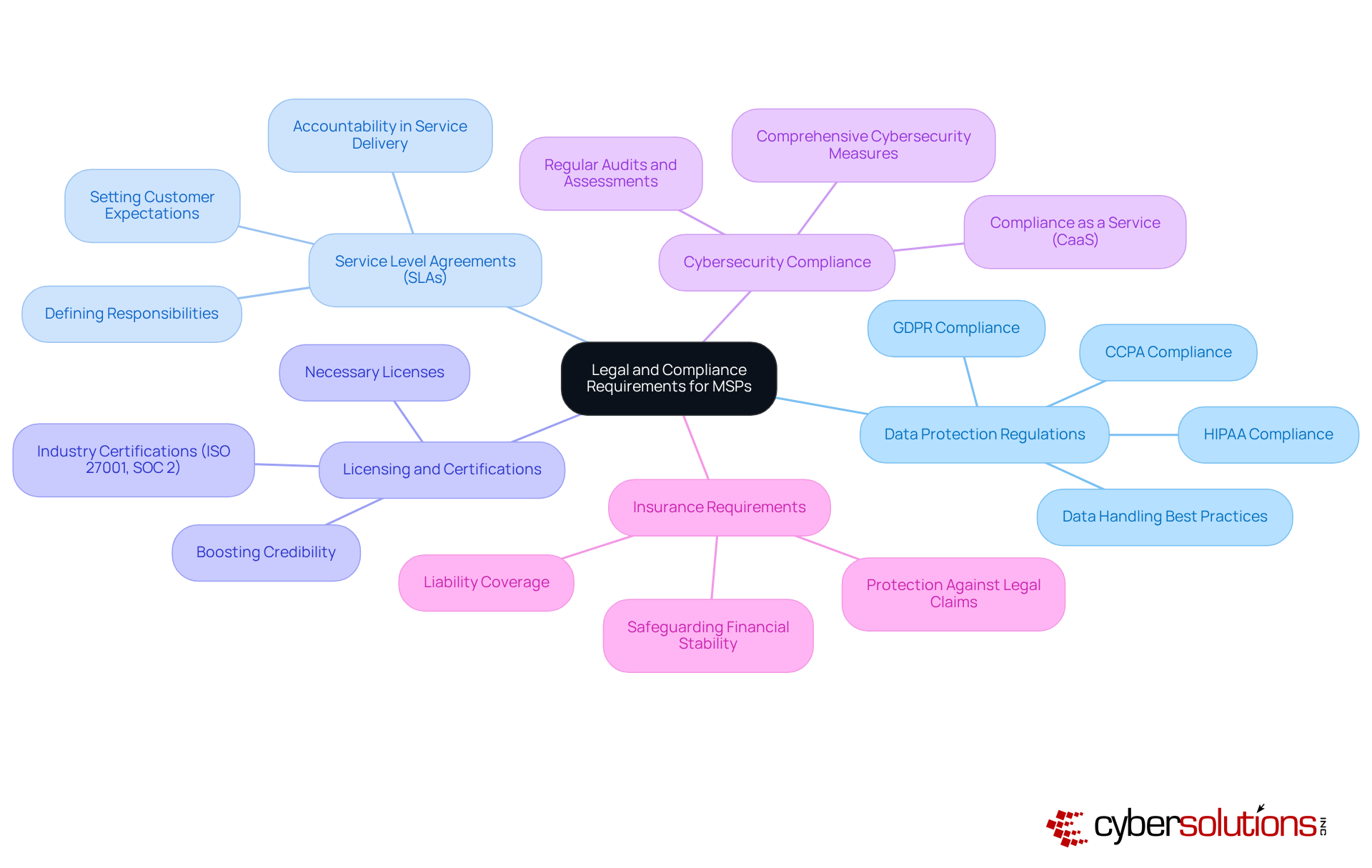
As a managed service provider business, understanding the legal and compliance landscape is not just important - it's essential for your business. Understanding these key areas can set you apart:
- Regulations: Get acquainted with vital regulations like GDPR, HIPAA, and PCI-DSS. These frameworks dictate how sensitive data should be managed, directly influencing your operational protocols and the trust your customers place in you.
- SLAs: Develop clear SLAs that define your responsibilities and set customer expectations. This transparency not only fosters strong customer relationships but also ensures accountability in your service delivery.
- Licensing: Ensure that your managed service provider business is properly licensed and that your team possesses the necessary certifications relevant to your services. This boosts your credibility and guarantees compliance with industry standards.
- Cybersecurity: Adopt comprehensive cybersecurity measures to protect client data and meet industry regulations. Regular audits and assessments are crucial for maintaining compliance and reducing risks associated with cyber threats. Additionally, consider utilizing solutions, which offer SMBs access to enterprise-level compliance expertise, including continuous monitoring and proactive risk assessments. This approach simplifies compliance while shielding your organization from potential penalties.
- Liability coverage: Think about obtaining liability coverage to safeguard your business against potential legal claims arising from data breaches or operational failures. This proactive measure can help protect your financial stability and reputation in the event of an incident.
Create Tailored Managed Services Offerings
To create tailored managed services offerings for your MSP, it’s crucial to follow these strategic steps:
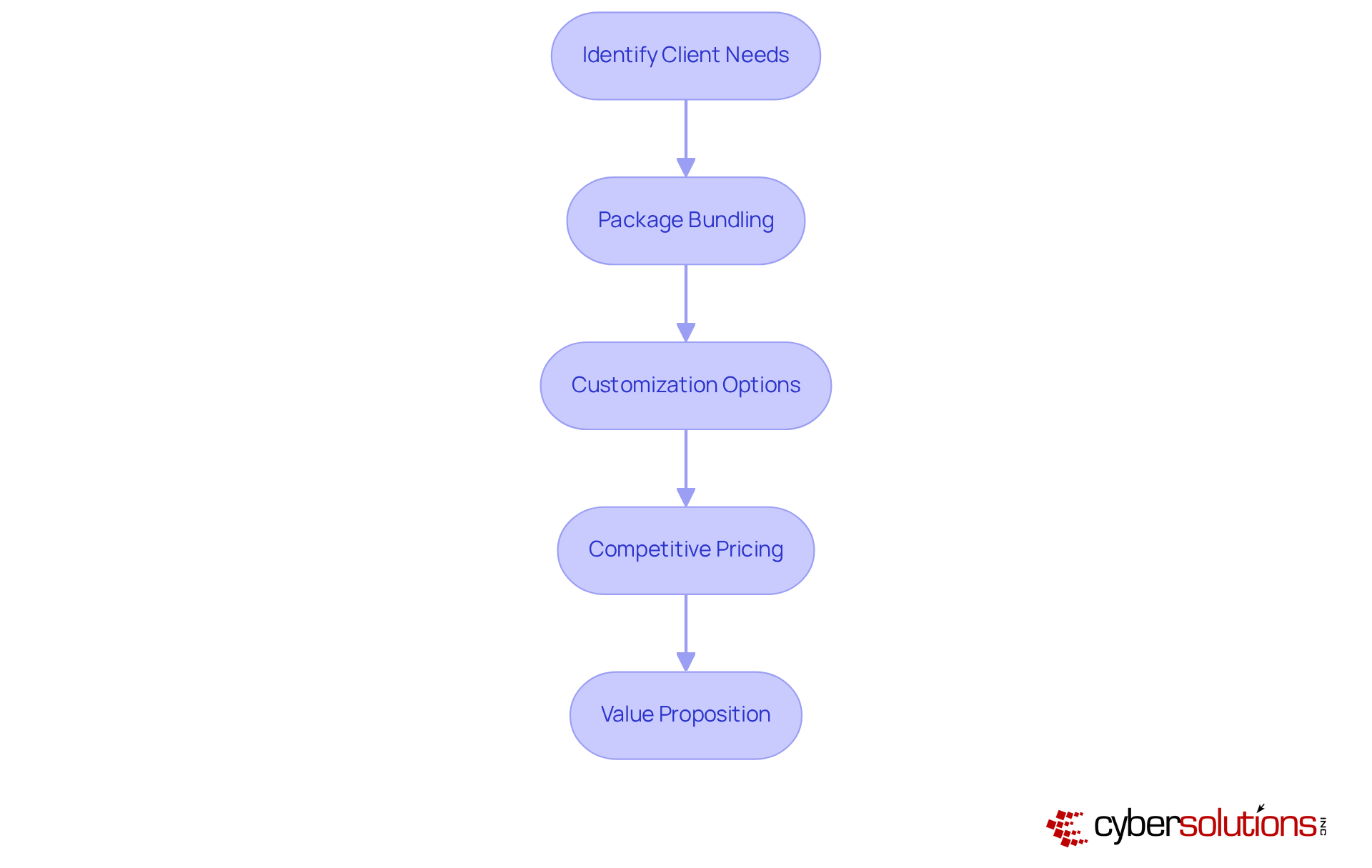
- Identify Client Needs: Engage potential clients through surveys or interviews to gain insights into their specific IT challenges and requirements. This proactive approach helps you understand their pain points, such as downtime or data loss, which are essential for efficient service delivery in the industry.
- Package Bundling: Develop bundles that combine various offerings, including cloud services, cybersecurity, and IT support. This strategy not only streamlines the decision-making process for customers but also enhances the perceived value of your services by delivering comprehensive solutions that address multiple needs simultaneously.
- Customization Options: Allow customers to tailor their service packages based on individual requirements. This flexibility significantly boosts satisfaction, as organizations appreciate solutions that closely align with their operational goals.
- Pricing Strategy: Conduct thorough market research to understand competitor pricing strategies. Ensure your offerings are competitively priced while maintaining profitability. Striking this balance is vital, especially considering that 36% of executives in the industry cite pricing as a major challenge.
- Value Proposition: Clearly articulate the benefits of your offerings, emphasizing how they address customer challenges and improve efficiency. Highlighting outcomes, such as cost savings and improved security, resonates well with potential clients, particularly in sectors where cybersecurity is a primary concern for 59.7% of the market.
Establish Effective Service Delivery Mechanisms
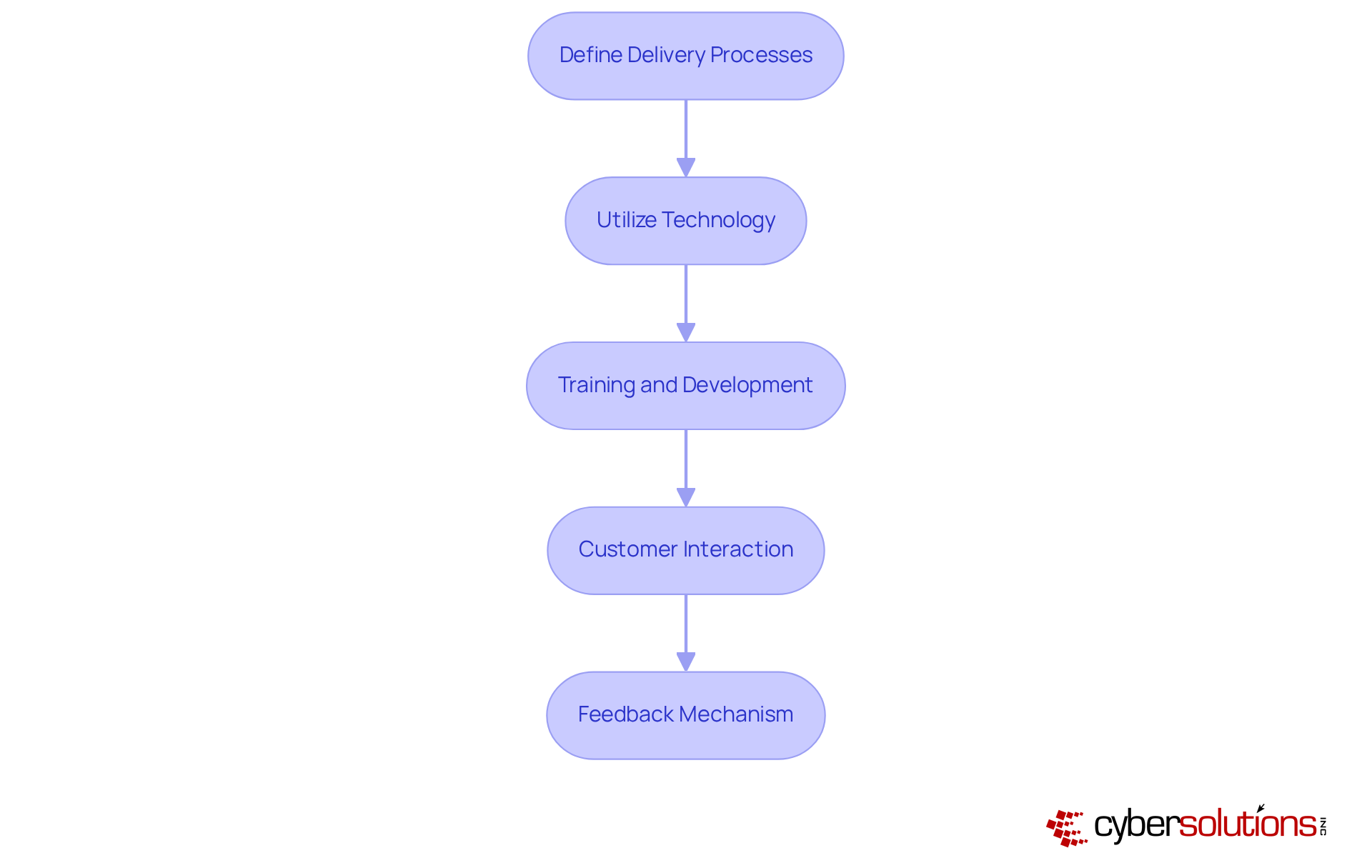
To establish effective service delivery mechanisms for your MSP, it’s crucial to follow these steps:
- Define Delivery Processes: Clearly outline the processes for providing each offering, including response times, escalation procedures, and quality standards. This organized method guarantees consistency and reliability in delivering services.
- Utilize Technology: Implement tools such as software solutions to automate routine tasks and improve efficiency. By 2025, the integration of AI and machine learning into RMM tools will further streamline operations, allowing MSPs to proactively monitor systems and resolve issues before they escalate.
- Training and Development: Invest in employee training programs to ensure they possess the necessary skills to provide quality services. Continuous learning is crucial as the cybersecurity landscape evolves, with 59.7% of MSPs identifying security as a top concern, necessitating up-to-date knowledge in security practices.
- Customer Interaction: Set up consistent communication avenues with customers to keep them updated on the status of services, developments, and any problems that occur. Effective communication promotes trust and transparency, essential for long-term relationships with customers.
- Feedback Mechanism: Establish a system for gathering customer feedback to consistently enhance service delivery and address any issues swiftly. This proactive strategy not only improves customer satisfaction but also positions your MSP as a responsive and customer-oriented partner.
By following these steps, MSPs can enhance their service delivery processes, ensuring they meet the changing needs of their customers while maintaining a competitive advantage in the market.
Manage Client Operations and Relationships
Manage Client Operations and Relationships
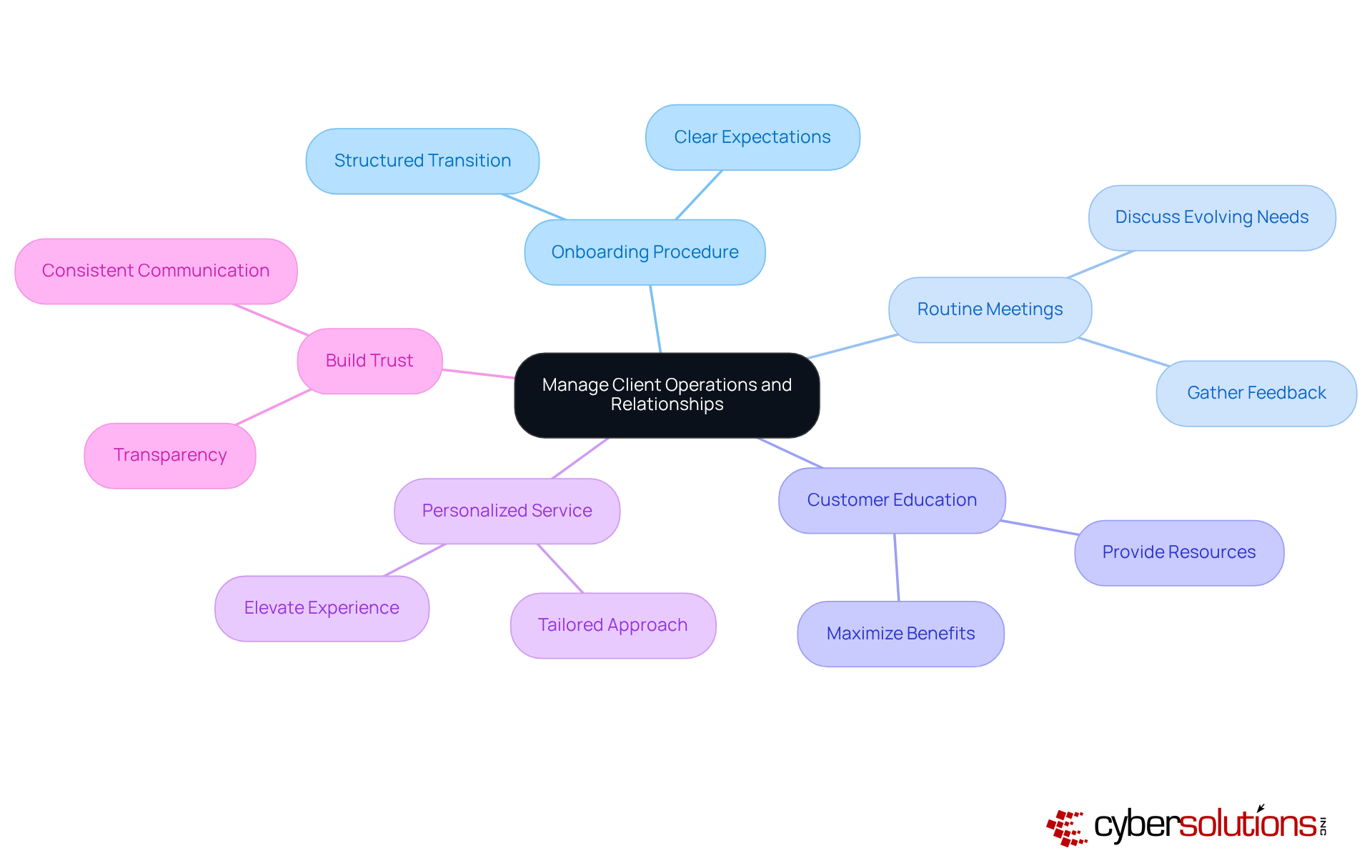
To effectively manage client operations and relationships within the managed service provider business, it's crucial to implement strategies that not only streamline processes but also enhance client satisfaction. Here are key strategies to consider:
- [Onboarding Procedure](https://techwize.com/case_studies/Fostering Collaboration between Clients and Service Providers): Establish a structured [onboarding procedure](https://techwize.com/case_studies/Fostering Collaboration between Clients and Service Providers) for new customers. This ensures a smooth transition and sets clear expectations from the outset, laying the groundwork for a successful partnership.
- Regular Meetings: Schedule regular meetings with customers to discuss their evolving needs, gather valuable feedback, and address any concerns. This proactive approach fosters open communication and strengthens relationships.
- Client Resources: Equip your clients with resources and training that help them understand the services you provide. By empowering them to maximize their benefits, you enhance their overall experience and satisfaction.
- Tailored Approach: Tailor your approach to meet the unique needs and preferences of each client. This can significantly elevate their experience and loyalty.
- Trust Building: Cultivate trust through transparency, reliability, and consistent communication. These elements are essential for nurturing long-term customer relationships and ensuring client retention.
Ensure Profitability Through Effective Financial Management
To ensure profitability through effective financial management, it’s crucial to adopt a strategic approach. Here are some key strategies:
- Budgeting: Establish a comprehensive budget that outlines all anticipated expenses and revenues. Regularly review and adjust your budget based on actual performance to maintain financial agility.
- Financial Monitoring: Keep a close eye on key financial performance indicators (KPIs) such as profit margins, cash flow, and client acquisition costs. These metrics are vital for assessing your business's financial health and guiding strategic decisions.
- Cost Management: Look for opportunities to reduce expenses without sacrificing quality. This could involve optimizing and renegotiating vendor contracts to enhance margins.
- Pricing Strategy: Set pricing that accurately reflects the value of your offerings while remaining competitive. Implementing a flat-rate pricing model can simplify budgeting by eliminating unexpected IT expenses and surprises. This method not only boosts operational efficiency but also reassures clients, knowing that all services, from email licenses to advanced cybersecurity, are included in one package.
- Resource Allocation: Allocate resources to marketing, technology upgrades, and staff training. These investments are essential for fostering business growth and enhancing service offerings, positioning your MSP for long-term success.
By implementing these strategies, the managed service provider can effectively navigate the complexities of financial management and drive profitability in an ever-evolving market.

Conclusion
Building a successful managed service provider (MSP) business is not just a task; it’s a strategic endeavor that demands a multifaceted approach. MSPs play a pivotal role in IT, serving as essential partners in enhancing cybersecurity and operational efficiency for their clients. In today’s rapidly evolving digital landscape, the importance of MSPs has never been more pronounced.
To guide aspiring MSPs in establishing their business, key steps have been outlined:
- Defining essential offerings
- Conducting thorough market analysis
- Implementing effective service delivery mechanisms
- Managing client relationships
Each step is crucial in laying a robust foundation. Financial management and tailored services are not merely suggestions; they are vital components of strategic planning and execution that drive long-term success.
As the managed service provider business landscape continues to evolve, embracing these strategies and best practices is imperative. By doing so, businesses can thrive in a competitive market and become indispensable allies in their clients' journeys toward digital transformation and security. The time to act is now-implementing these insights can pave the way for a prosperous future in the managed services industry.
Frequently Asked Questions
What is a Managed Service Provider (MSP)?
A Managed Service Provider (MSP) is a specialized company that remotely oversees a customer's IT infrastructure and end-user systems, offering a comprehensive suite of support services such as network management, digital security, data backup, and IT assistance.
What role do MSPs play in cybersecurity?
MSPs play a crucial role in cybersecurity by providing proactive monitoring and support, reducing downtime, enhancing security measures, and ensuring compliance with industry regulations, making them vital partners in navigating cybersecurity challenges.
How do MSPs benefit businesses?
MSPs allow businesses to focus on their core functions without the burden of managing complex IT environments, enhance operational efficiency by 15-25%, and significantly improve cybersecurity strategies.
What are the essential steps to create a business plan for an MSP?
Key steps include: 1. Executive Summary: Define objectives and services. 2. Market Analysis: Research target market and competitors. 3. Offerings: Detail services like IT support and cybersecurity. 4. Marketing Strategy: Develop plans to attract clients. 5. Financial Projections: Create forecasts and budget analysis. 6. Operational Plan: Outline daily operations and staffing. 7. Risk Management: Identify risks and mitigation strategies.
Why is market analysis important for an MSP business plan?
Market analysis helps identify potential clients, analyze competitors, and highlight market gaps that the MSP can address, particularly regarding security measures and compliance.
What financial projections should be included in an MSP business plan?
Financial projections should include startup costs, revenue projections, and break-even analysis to understand the financial landscape of the MSP market, which is projected to grow significantly.
What operational aspects should an MSP consider in their business plan?
An MSP should outline day-to-day operations, staffing requirements, technology infrastructure, and service delivery processes, emphasizing the use of automation tools to enhance efficiency.
What risks should MSPs identify in their business plans?
MSPs should identify potential risks related to cybersecurity and compliance, and outline strategies to mitigate these risks to preserve customer trust and operational integrity.
List of Sources
- Define Managed Service Providers and Their Role in IT
- mspsuccess.com (https://mspsuccess.com/2025/11/why-msps-must-make-cybersecurity-a-strategic-priority-new-gtia-research-reveals-the-stakes)
- jumpcloud.com (https://jumpcloud.com/blog/msp-statistics-trends)
- news-blogs.cisco.com (https://news-blogs.cisco.com/apjc/2025/12/18/why-managed-services-are-powering-the-next-wave-of-growth-for-service-providers)
- watchguard.com (https://watchguard.com/wgrd-news/blog/future-managed-cybersecurity-msps-new-role-2025)
- prnewswire.com (https://prnewswire.com/news-releases/73-of-organizations-with-up-to-2-000-employees-rely-on-msps-to-manage-the-security-challenges-of-growth-302504774.html)
- Develop a Comprehensive Business Plan for Your MSP
- worksent.com (https://worksent.com/blog/msp-trends)
- MSP Statistics In The USA: 2025 / Infrascale (https://infrascale.com/msp-statistics-usa)
- jumpcloud.com (https://jumpcloud.com/blog/msp-statistics-trends)
- ahead.com (https://ahead.com/resources/trends-in-managed-services-in-2025)
- Understand Legal and Compliance Requirements for MSPs
- blacksmithinfosec.com (https://blacksmithinfosec.com/msp-compliance-2025-the-ultimate-guide-for-managed-services-providers)
- beringmckinley.com (https://beringmckinley.com/blog/global-msp-news-the-impact-of-regulatory-changes-on-service-providers-in-the-us)
- MSP Statistics In The USA: 2025 / Infrascale (https://infrascale.com/msp-statistics-usa)
- 130+ Compliance Statistics & Trends to Know for 2026 (https://secureframe.com/blog/compliance-statistics)
- federalnewsnetwork.com (https://federalnewsnetwork.com/cybersecurity/2025/12/2025-reshaped-federal-cybersecurity-from-new-mandates-to-tougher-compliance-rules)
- Create Tailored Managed Services Offerings
- MSP Statistics In The USA: 2025 / Infrascale (https://infrascale.com/msp-statistics-usa)
- ahead.com (https://ahead.com/resources/trends-in-managed-services-in-2025)
- jumpcloud.com (https://jumpcloud.com/blog/msp-statistics-trends)
- news-blogs.cisco.com (https://news-blogs.cisco.com/apjc/2025/12/18/why-managed-services-are-powering-the-next-wave-of-growth-for-service-providers)
- cmitsolutions.com (https://cmitsolutions.com/blog/msp-onboarding-checklist)
- Establish Effective Service Delivery Mechanisms
- MSP Statistics In The USA: 2025 / Infrascale (https://infrascale.com/msp-statistics-usa)
- renoirgroup.com (https://renoirgroup.com/case_studies/healthcare/how-a-hospital-optimized-length-of-stay-and-communication)
- jumpcloud.com (https://jumpcloud.com/blog/msp-statistics-trends)
- ahead.com (https://ahead.com/resources/trends-in-managed-services-in-2025)
- scribe.com (https://scribe.com/library/msp-statistics)
- Manage Client Operations and Relationships
- dnsfilter.com (https://dnsfilter.com/blog/the-power-of-customer-experience)
- crmone.com (https://crmone.com/customer-relationship-management-quotes)
- 3ci.tech (https://3ci.tech/case_studies/from-outdated-to-optimized-how-3ci-overhauled-a-clients-data-management-system)
- jumpcloud.com (https://jumpcloud.com/blog/msp-statistics-trends)
- techwize.com (https://techwize.com/case_studies/Fostering Collaboration between Clients and Service Providers)
- Ensure Profitability Through Effective Financial Management
- MSP Statistics In The USA: 2025 / Infrascale (https://infrascale.com/msp-statistics-usa)
- jumpcloud.com (https://jumpcloud.com/blog/msp-statistics-trends)
- digitaldefynd.com (https://digitaldefynd.com/IQ/financial-planning-quotes)
- 35 Quotes for Financial Advisors on a Tough Day | Don Connelly & Associates (https://donconnelly.com/35-quotes-for-financial-advisors)