

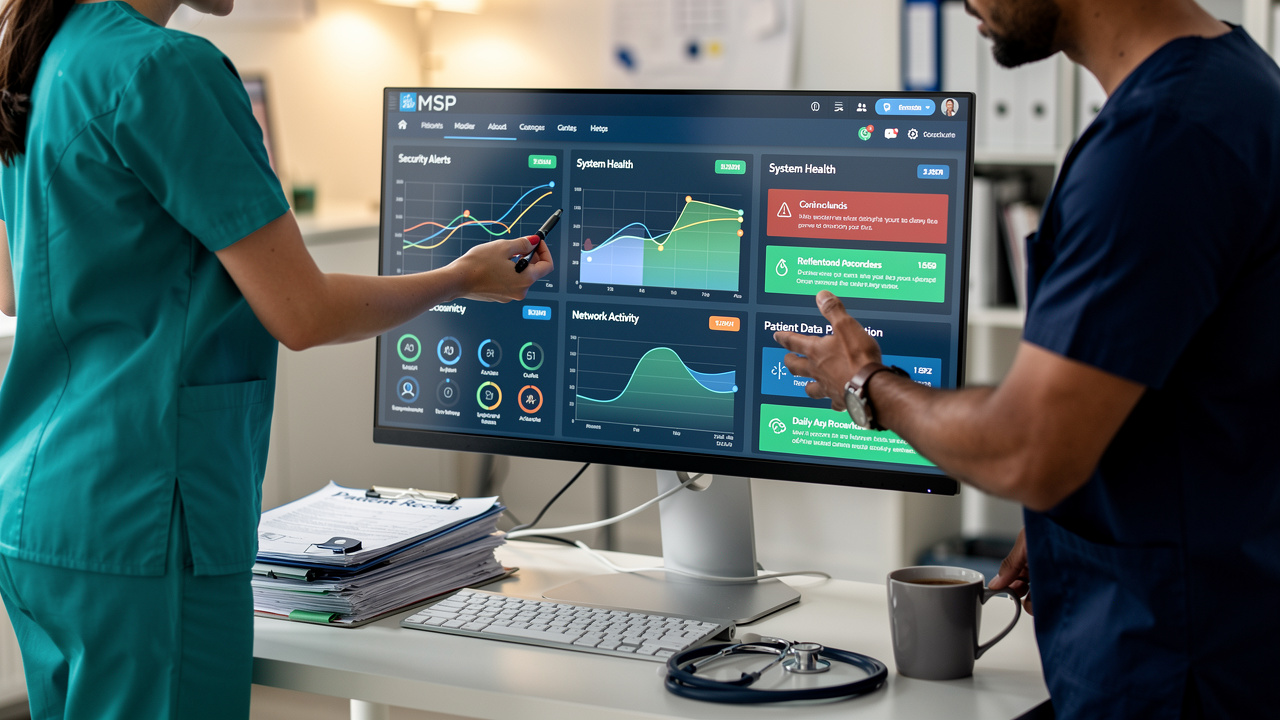
In an era where cyber threats loom large, the healthcare sector must prioritize robust cybersecurity measures to protect sensitive patient data and maintain trust. Navigating the complexities of Managed Service Provider (MSP) software is crucial for executives today. This software not only streamlines IT management but also fortifies security measures, ensuring compliance with critical regulations like HIPAA and PCI-DSS. CFOs face mounting pressure to ensure robust cybersecurity while managing operational costs and compliance. Without a strategic approach to MSP software, organizations risk falling victim to cyber threats that could compromise sensitive data and operational integrity.
In an era where cybersecurity threats loom large, the healthcare sector faces unique challenges that demand immediate attention and action. The term msp software meaning refers to Managed Service Provider software, which encompasses a suite of digital resources designed to empower MSPs in effectively managing their clients' IT infrastructure and business operations. These tools help automate everyday tasks, keep an eye on system health in real-time, and offer proactive support to ensure everything runs smoothly and securely.
Key functionalities typically include:
Together, these features streamline operations and enhance service delivery, allowing MSPs to provide comprehensive IT solutions that not only address immediate technical needs but also align with broader business objectives. This alignment is crucial for maintaining a resilient and secure IT environment, especially in sectors like healthcare, finance, and government, where compliance and data protection are paramount.
As organizations increasingly depend on MSPs, the adoption of these solutions is anticipated to rise. However, without embracing these advanced MSP solutions, healthcare organizations risk compromising their security and operational integrity, leaving them vulnerable to devastating breaches.

In an era where cyber threats loom larger than ever, the healthcare sector must prioritize robust cybersecurity measures to safeguard sensitive patient data. The evolution of MSP applications, which relates to msp software meaning, began in the late 1990s, coinciding with the rise of managed services as businesses sought to outsource IT functions and concentrate on core operations. Initially, MSPs utilized basic tools for monitoring and maintenance, but as technology progressed, so did the complexity of IT environments. The advent of cloud computing and the surge in cyber threats prompted the need for more advanced solutions. Today, MSP tools incorporate a range of functionalities that not only enhance IT oversight but also strengthen security measures. This evolution allows businesses to maintain operational continuity in an increasingly digital environment, and it positions Cyber Solutions to offer tailored services that address these challenges head-on.
Cyber Solutions provides a comprehensive service portfolio, including:
The historical growth of MSP technology in the Southeast region reflects this trend, showcasing how local businesses in cities like Greenville and Charleston have adapted to these advancements to enhance their operational resilience and security posture. Moreover, adherence to standards such as HIPAA, PCI-DSS, and GDPR is vital for organizations, especially in regulated fields like healthcare and finance. This highlights the significance of Cyber Solutions' expertise in ensuring audit readiness and risk oversight. With Cyber Solutions at the helm, organizations can navigate the complexities of cybersecurity, ensuring not just compliance but a fortified defense against evolving threats.

In an era where cyber threats loom large, the healthcare sector must prioritize robust cybersecurity measures to protect sensitive patient data and maintain trust. The meaning of effective MSP software is characterized by several essential features that significantly enhance its functionality and usability. Key among these are remote monitoring and oversight (RMM) capabilities, which enable Managed Service Providers (MSPs) like Cyber Solutions to oversee client systems in real-time, facilitating the swift identification and resolution of issues. Think about it: robust reporting and analytics not only shed light on system performance but also help MSPs fine-tune their services to meet client needs.
Professional services automation (PSA) systems are also essential, as they enhance project coordination and billing procedures, thereby boosting operational efficiency. Security features, including automated patch updates and advanced threat detection, are crucial for safeguarding client data and ensuring compliance with industry regulations such as CMMC Level 3, HIPAA, PCI-DSS, and SOX. Achieving CMMC compliance not only demonstrates a commitment to cybersecurity but also safeguards sensitive federal data, thereby enhancing the ability to secure lucrative government contracts.
In sectors such as healthcare and finance, where regulatory compliance is paramount, the integration of these features not only enhances service delivery but also fortifies the resilience of client operations against evolving cyber threats. Compliance reporting is essential, as it helps organizations meet regulatory requirements and maintain trust with stakeholders. By embracing these essential features, organizations can not only improve their operational capabilities but also fortify their defenses against cyber threats. By prioritizing these key functionalities, including solutions like GFI KerioControl and Datto RMM, Cyber Solutions' platform exemplifies the MSP software meaning, effectively assisting organizations in navigating the complexities of modern IT oversight while ensuring audit-ready documentation and proactive monitoring. Investing in comprehensive MSP software meaning solutions is essential for healthcare organizations aiming to thrive in a landscape fraught with cyber risks.

In an era where cyber threats loom large, the healthcare sector must prioritize cybersecurity to protect sensitive patient data and maintain trust. The term msp software meaning encompasses several categories of tools, each designed to address distinct aspects of IT oversight, particularly in sectors like healthcare, finance, and government. The primary types include:
Without robust cybersecurity measures, healthcare organizations risk severe data breaches that can compromise patient safety and trust. By adopting advanced tools that align with the msp software meaning, organizations can transform their approach to cybersecurity, ensuring they are not just reactive but proactive in safeguarding sensitive information. Choosing the right MSP tools is not just a strategic decision; it's a critical step toward safeguarding your organization against the ever-evolving landscape of cyber threats.

In an era where cyber threats loom large, the need for robust cybersecurity measures in healthcare has never been more critical. MSP tools are vital for maintaining business continuity and enhancing security across organizations, especially in sectors like healthcare and finance. By enabling real-time monitoring and automated responses to potential threats, these tools effectively mitigate risks before they escalate into significant issues. This proactive strategy safeguards sensitive data and helps organizations navigate the complex landscape of industry regulations, such as HIPAA, PCI-DSS, and GDPR.
Healthcare organizations face unique challenges, including the imperative to protect patient information while adhering to these regulations. Effective MSP tools facilitate seamless communication and collaboration among IT teams, allowing for swift incident response and the maintenance of operational integrity. A layered recovery approach, which includes endpoint isolation and malware removal, further enhances the incident response capabilities of Cyber Solutions.
In a landscape where cyber threats are constantly evolving, understanding the MSP software meaning is crucial for organizations that aim to protect their assets and ensure uninterrupted business operations. As demonstrated in case studies, businesses that leverage comprehensive MSP solutions can recover quickly from disruptions, thereby enhancing their resilience and operational efficiency. Investing in comprehensive MSP solutions is not just a choice; it's a necessity for safeguarding your organization’s future.

In today's digital landscape, understanding MSP software is crucial for executives striving to bolster their organization's resilience against cyber threats. This software suite empowers Managed Service Providers like Cyber Solutions to manage IT infrastructures effectively. It helps businesses navigate the complexities of modern cybersecurity threats while ensuring compliance with industry regulations.
Let’s explore the core functionalities of MSP software, including features like remote monitoring, professional services automation, and robust security measures. These tools not only streamline operations but also fortify defenses against evolving cyber threats, particularly in regulated sectors like healthcare and finance. The historical evolution of MSP software underscores its growing importance, as organizations increasingly rely on these solutions to safeguard sensitive data and ensure business continuity.
In a world filled with cyber threats, investing in comprehensive MSP software isn’t just a smart move; it’s essential. Organizations in South Carolina and beyond must prioritize these advanced tools to protect their assets and maintain operational integrity. Failing to invest in MSP software could leave organizations exposed to risks that threaten their very existence.
What is MSP software?
MSP software, or Managed Service Provider software, refers to a suite of digital resources designed to help MSPs manage their clients' IT infrastructure and business operations effectively. It includes tools for automating tasks, monitoring system health in real-time, and providing proactive support.
What are the key functionalities of MSP software?
Key functionalities of MSP software typically include remote monitoring and oversight (RMM), professional services automation (PSA), and ticketing systems. These features streamline operations and enhance service delivery for MSPs.
Why is MSP software important for sectors like healthcare and finance?
MSP software is crucial for sectors like healthcare and finance because it helps maintain a resilient and secure IT environment, ensuring compliance with regulations and protecting sensitive data from cyber threats.
How has MSP software evolved over time?
MSP software has evolved since the late 1990s, initially using basic tools for monitoring and maintenance. With advancements in technology, including cloud computing and increased cyber threats, MSP tools have become more complex and feature-rich, enhancing IT oversight and security measures.
What services does Cyber Solutions offer related to MSP software?
Cyber Solutions offers a comprehensive service portfolio that includes Managed IT, Co-Managed IT, Endpoint Protection, 24/7 Help Desk, Cyber Security, Incident Response, Compliance As A Service, Hosted Phone Service, VOIP Phone System, Managed Security Service Provider, and AI As A Service.
How does Cyber Solutions ensure compliance for its clients?
Cyber Solutions ensures compliance by adhering to standards such as HIPAA, PCI-DSS, and GDPR, which is vital for organizations in regulated fields. They focus on audit readiness, risk assessments, policy development, and continuous monitoring.
What risks do healthcare organizations face without advanced MSP solutions?
Without advanced MSP solutions, healthcare organizations risk compromising their security and operational integrity, making them vulnerable to devastating data breaches and cyber threats.
Managed IT Service Provider | Cyber Security | Incident Response | Compliance As A Service | Hosted Phone Service | Managed Security Service Provider | AI As A Service