Introduction
In a world where unexpected disruptions can jeopardize the very foundation of a business, the significance of a robust disaster recovery plan is paramount. Organizations encounter the formidable challenge of safeguarding their data while ensuring operational continuity amid chaos.
This article explores the ten essential elements that constitute an effective business disaster recovery plan, providing insights into best practices and strategies that can empower companies to emerge resilient from crises.
What transpires when a disaster occurs, and how prepared are businesses to respond with efficacy?
Cyber Solutions Inc.: Comprehensive Backup and Disaster Recovery Services
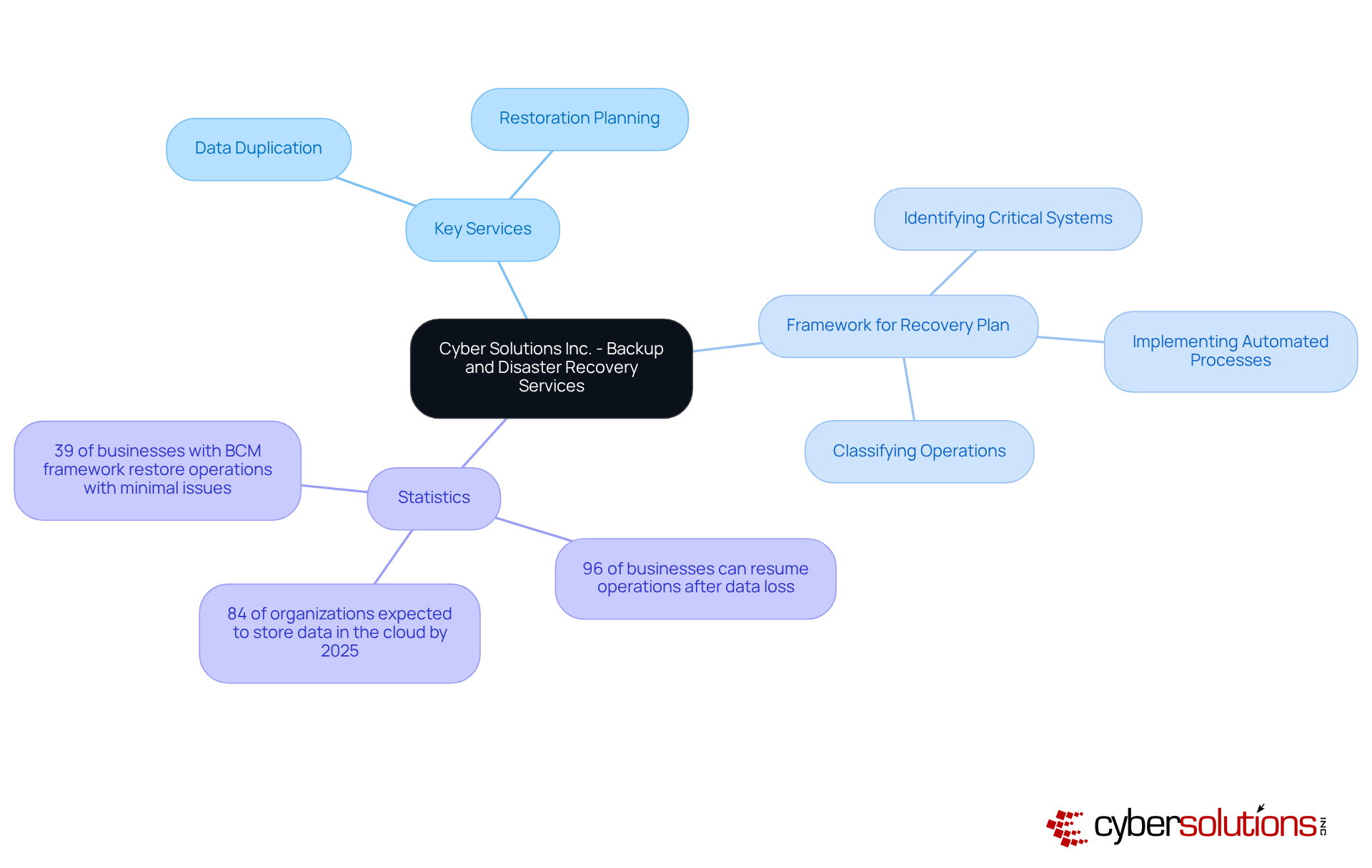
In today's fast-paced digital landscape, Cyber Solutions Inc. provides an extensive range of services, including a comprehensive backup solution, which are essential for maintaining business continuity. Central to these offerings are disaster recovery plans, which play a crucial role in minimizing downtime and safeguarding critical data. Remarkably, 96% of businesses with reliable backup solutions can fully resume operations after data loss incidents, underscoring the importance of proactive measures in today's environment.
The firm's offerings include:
- Meticulous planning
Both are vital for organizations striving to protect their operations from unforeseen interruptions. A practical framework for developing a robust disaster recovery plan involves:
- Identifying critical systems and data
- Classifying essential operations
- Implementing automated processes that ensure data is captured regularly
Case studies reveal that organizations employing automated backup strategies achieve significantly enhanced restoration outcomes. For instance, 39% of businesses with a comprehensive backup plan can restore all mission-critical operations with minimal issues. This statistic emphasizes the effectiveness of automation in bolstering resilience.
As we look toward 2025, approximately 84% of organizations are expected to store data or backups in the cloud, reflecting a shift towards cloud solutions that facilitate faster recovery and improved data management. By leveraging these advanced technologies, Cyber Solutions Inc. empowers enterprises to remain operational and profitable, even amidst challenges, showcasing a steadfast commitment to protecting their clients' interests.
Threat Detection: Essential for Identifying Risks Before They Escalate
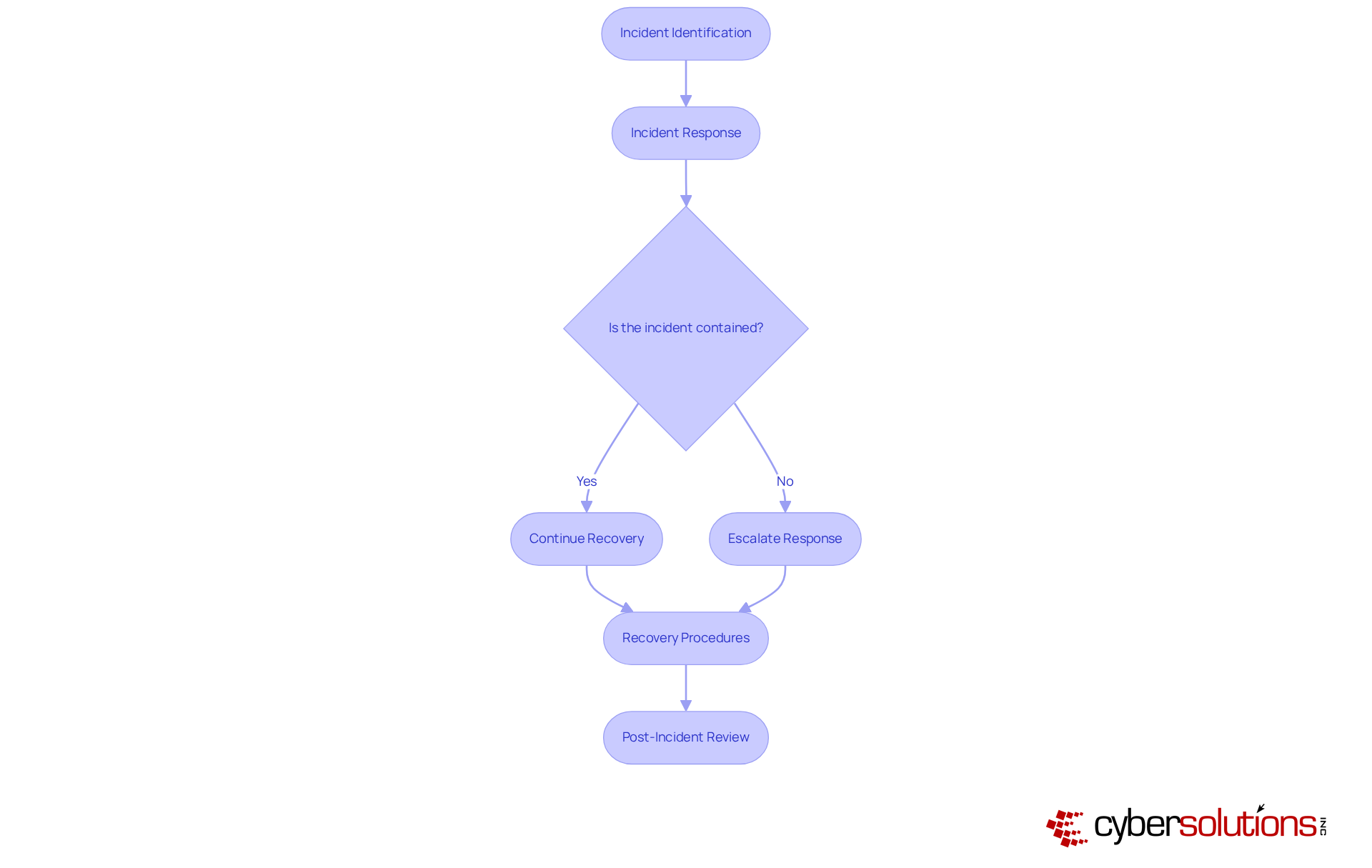
Implementing threat detection systems is essential for identifying vulnerabilities and potential cyber threats before they escalate. In today's digital landscape, where data breaches are common, organizations must prioritize cybersecurity measures to protect sensitive information. Cyber Solutions offers advanced monitoring services, ensuring that suspicious activities are swiftly identified and halted, thus safeguarding companies from ransomware, phishing, and other malware attacks. These systems leverage machine learning and behavioral analytics to scrutinize network activity, enabling organizations to respond to threats in real-time.
By integrating threat detection into their security framework, organizations can significantly reduce risks and enhance their overall security posture. This not only shields against immediate threats but also fortifies the network as operations evolve. In a world where the stakes are high, the need for robust cybersecurity measures has never been more critical.
Compliance as a Service (CaaS): Ensuring Regulatory Adherence in Recovery Plans
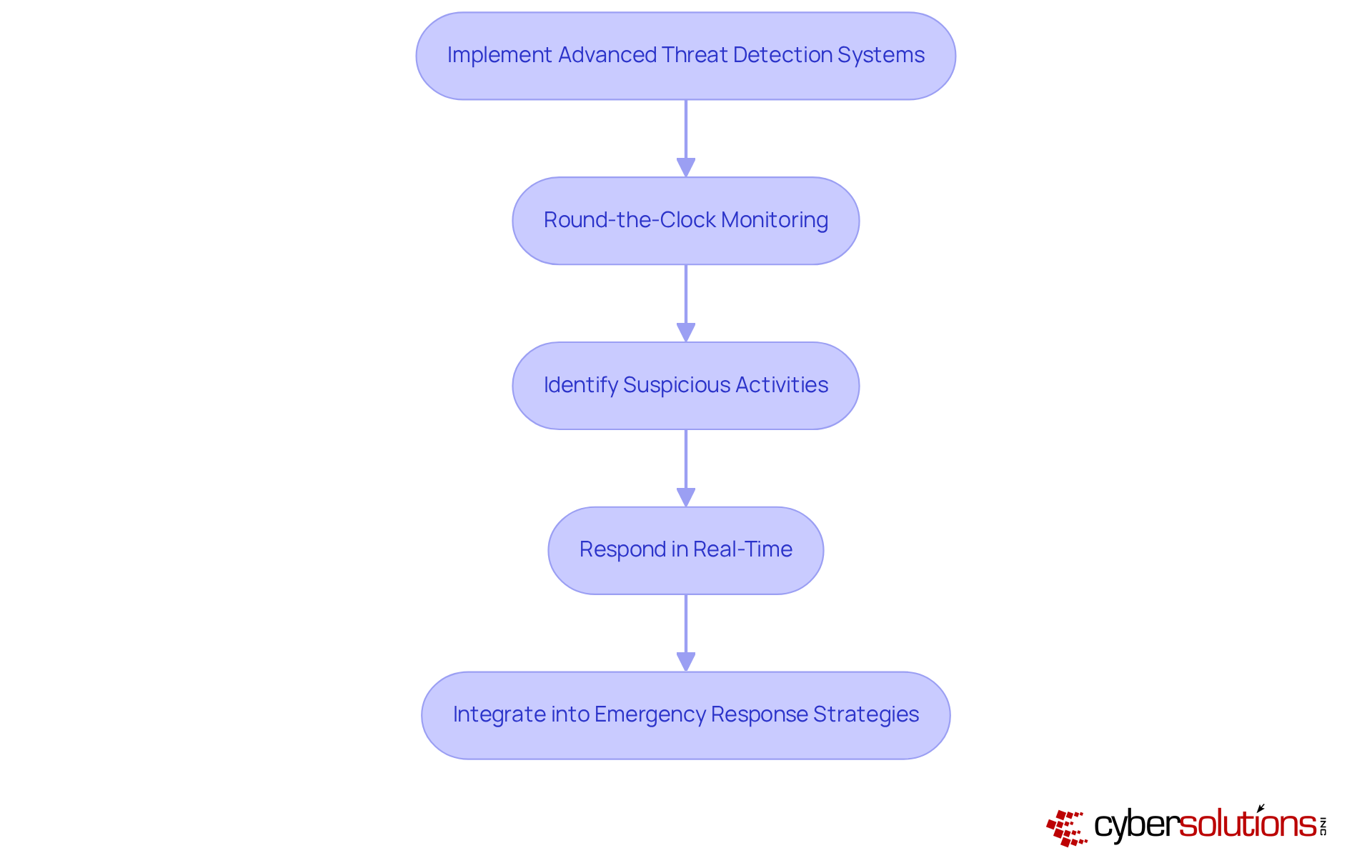
Compliance is crucial for organizations navigating the intricate landscape of industry regulations such as HIPAA, PCI DSS, CMMC, SOX, and GDPR. Our CaaS solutions streamline the process of adhering to these complex requirements by offering:
- Comprehensive compliance assessments
- Policy development services
By seamlessly integrating CaaS into the recovery plan, businesses can ensure that their restoration strategies align with regulatory mandates, effectively mitigating the risk of non-compliance penalties. This service not only facilitates ongoing evaluations and updates to keep action plans in sync with evolving regulations but also includes training programs designed to minimize the impact of compliance failures.
Moreover, the proactive monitoring and real-time reporting capabilities of CaaS empower organizations to identify compliance gaps early, reinforcing their dedication to regulatory adherence. This strategic approach not only safeguards against potential penalties but also enhances organizational reputation, establishing CaaS as a vital component of an effective disaster recovery plan.
Incident Response: Critical for Rapid Recovery and Damage Control
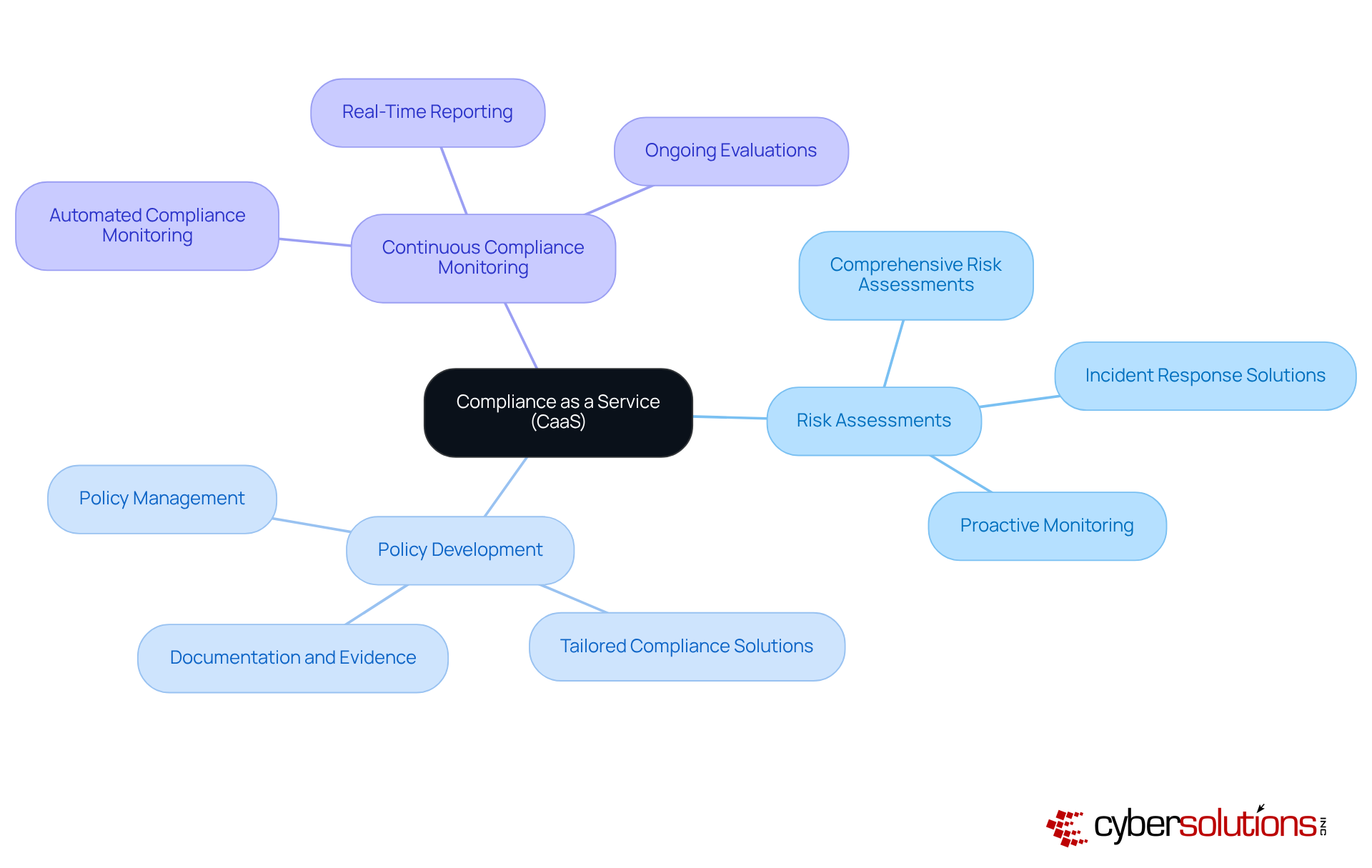
An effective plan is essential for minimizing damage during a disaster. This plan must delineate procedures, including breach reporting and remediation plans to comply with regulations. Organizations that establish a dedicated team and predefined protocols can achieve rapid recovery, significantly reducing downtime and associated costs. In 2025, the average cost of a data breach is projected to escalate to $4.56 million, underscoring the financial stakes involved. For small businesses, the average attack can result in losses ranging from $120,000 to $1.24 million, making swift action critical.
Real-world examples demonstrate that entities with strong strategies, including incident response plans, can recover quickly, thereby reducing potential losses. Adhering to best practices ultimately leads to a more resilient operational framework. Regular training and simulations further enhance preparedness, ensuring that teams are equipped to handle incidents effectively and efficiently.
Additionally, establishing and testing communication channels during incidents is crucial for stakeholder engagement, while maintaining transparency. Thorough documentation, including incident reports, is vital to ensure audit readiness and adherence to HIPAA’s strict timelines.
Vulnerability Assessments: Identifying Weaknesses in Your Recovery Strategy
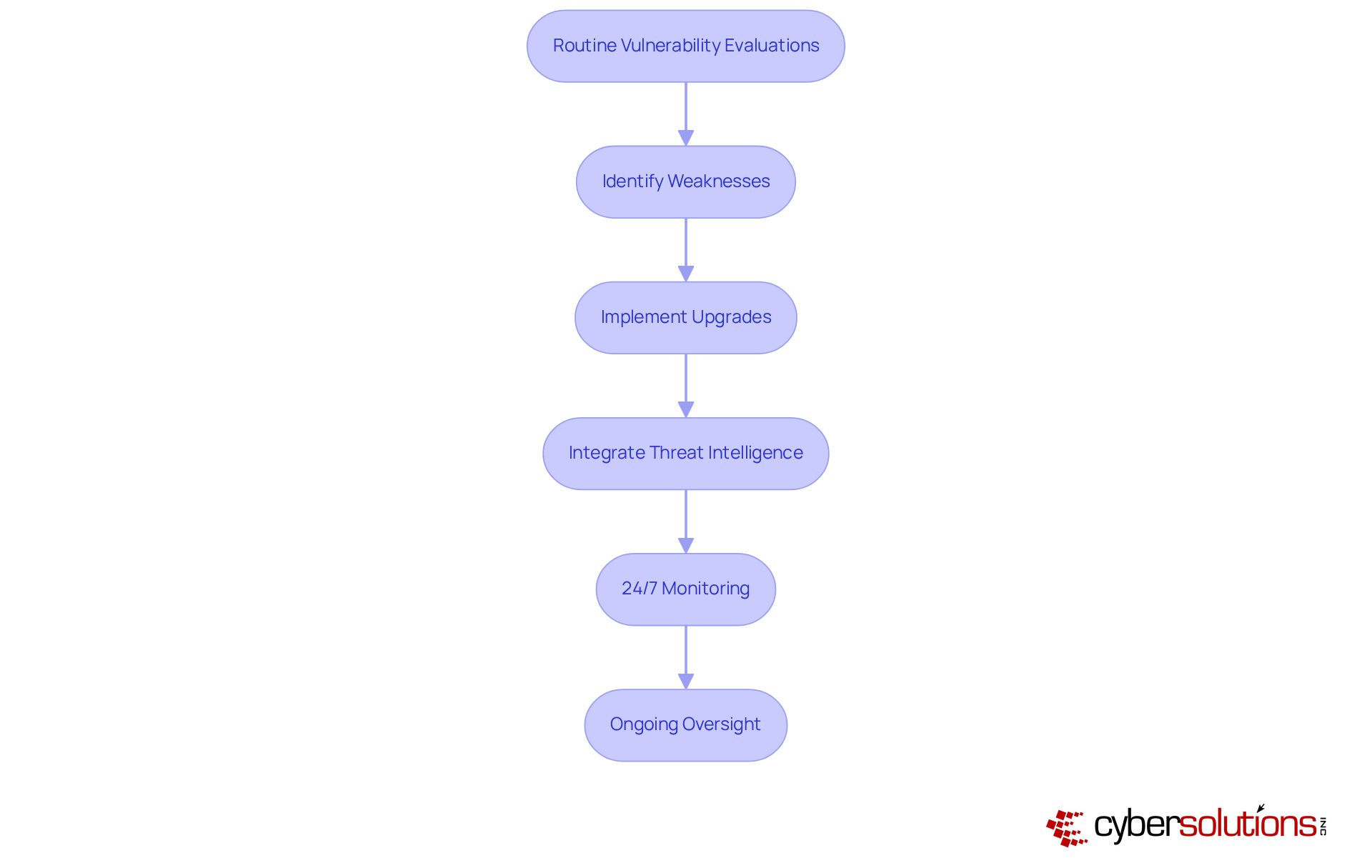
Routine assessments are crucial for uncovering potential flaws in the organization's disaster response strategies. These evaluations assess the effectiveness of current measures and pinpoint specific areas needing enhancement. In 2025, entities that conducted regular assessments reported a significant improvement, with 96% able to fully resume operations after a data loss incident. This proactive approach empowers businesses to address vulnerabilities before they escalate into critical issues, ultimately enhancing their resilience.
A notable case involved a healthcare entity that identified outdated backup systems during a vulnerability assessment. By upgrading their technology and implementing new solutions, they reduced downtime from weeks to mere hours, significantly mitigating operational disruptions. In contrast, numerous entities face a typical restoration period of over a month from ransomware incidents, underscoring the importance of prompt enhancements and the necessity for ongoing oversight to identify suspicious actions before they evolve into threats.
To effectively manage vulnerabilities, entities should focus on integrating threat intelligence and automated scanning tools. Cybersecurity experts emphasize that regular assessments are essential for compliance and operational integrity. As one expert pointed out, "A strong vulnerability management program integrates automated scanning, manual verification, and prioritization, ensuring that entities can swiftly address high-risk vulnerabilities."
Furthermore, implementing robust security measures can significantly bolster a company's capacity to safeguard against ransomware, phishing, and other malware attacks. This ensures that suspicious activities are identified and managed promptly, further enhancing emergency response strategies. By incorporating these monitoring solutions into their restoration strategies, entities can ensure a more robust response to potential threats.
To maintain a strong emergency response strategy, entities are urged to arrange and integrate regular testing as crucial components of their plans to ensure that their strategies remain resilient and effective. Frequent evaluations not only enhance crisis management plans but also enable entities to navigate the complexities of contemporary threats, ensuring they are prepared for any outcome.
Co-Managed IT Support: Strengthening Your Disaster Recovery Efforts
Co-managed IT support is vital for entities seeking to leverage the strengths of both internal and external IT resources, significantly enhancing their disaster recovery efforts. This grants access to a broader range of expertise and advanced tools, empowering businesses to respond more effectively to incidents. By incorporating co-managed IT support into their restoration strategies, organizations can fortify their IT infrastructure, leading to improved resilience and reduced downtime.
Notably, firms experiencing frequent interruptions incur costs that are 16 times greater than those with fewer disruptions, underscoring the importance of effective disaster recovery. In ransomware scenarios, immediate action and specialized expertise are paramount, as evidenced by case studies where swift and structured response plans successfully contained threats.
Furthermore, nearly 49% of organizations are investing in AI and automation to bolster their disaster recovery capabilities, reflecting a growing recognition of the need for technological advancement. Real-world examples illustrate that entities utilizing co-managed IT not only improve their recovery outcomes but also cultivate a more robust operational framework, ensuring preparedness for future disruptions.
As IT leaders assert, collaboration between internal teams and external partners is crucial for navigating the complexities of modern business continuity. The four pillars of crisis recovery constitute a framework that supports organizations, equipping entities to manage disruptions effectively.

Endpoint Protection: Safeguarding Data During Disasters
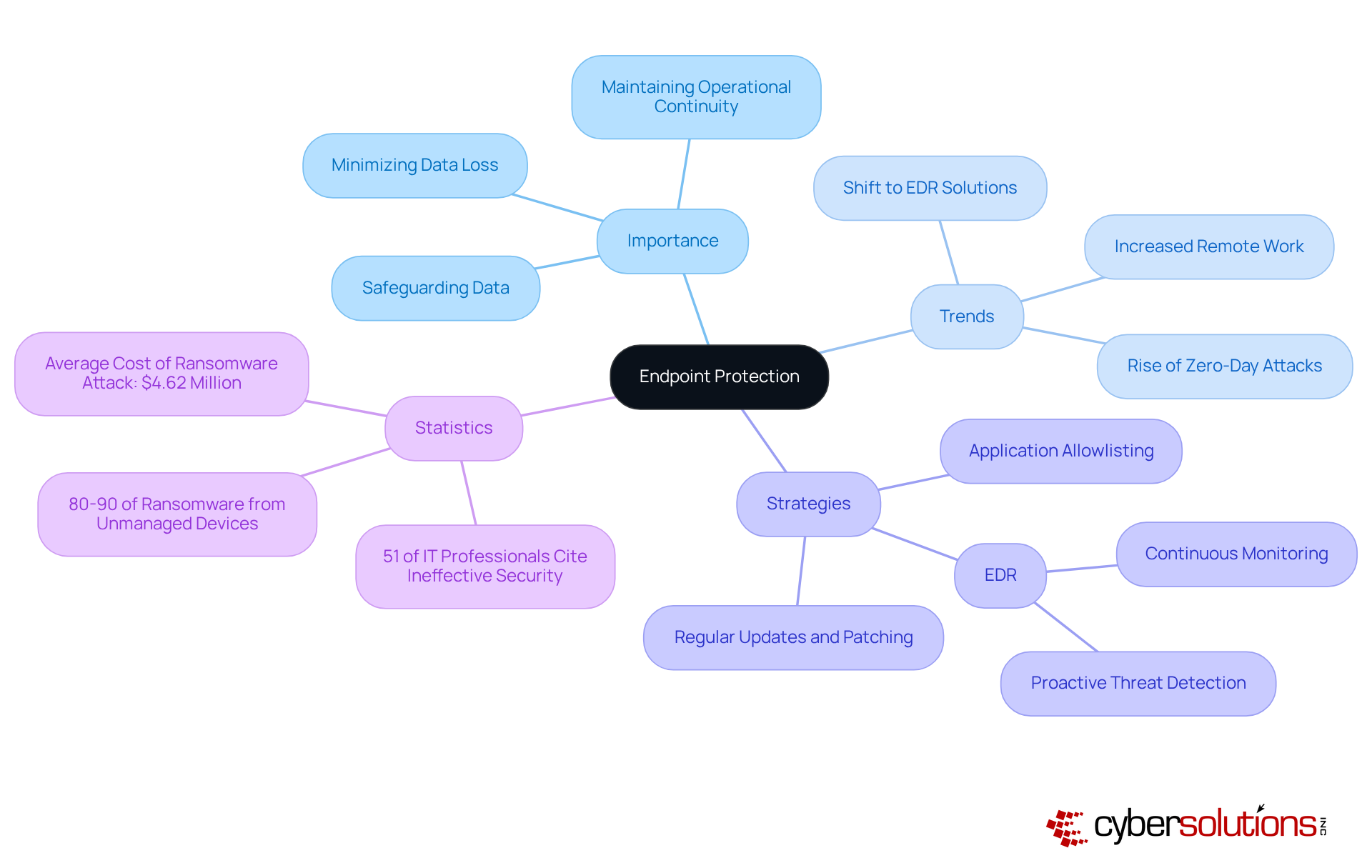
Endpoint protection is essential for safeguarding data during disasters, particularly as organizations increasingly rely on connected devices. By implementing robust security measures across all endpoints—such as laptops, desktops, and mobile devices—entities can ensure that sensitive information remains secure, even in the event of a breach. With 80-90% of successful ransomware attacks originating from unmanaged devices, endpoint protection is vital for minimizing data loss and maintaining operational continuity during crises.
Recent trends show a shift towards advanced endpoint security solutions, which provide continuous monitoring and threat detection. These systems utilize machine learning and behavioral analytics to identify suspicious activities, significantly enhancing an organization's ability to respond to emerging threats. In fact, 51% of IT professionals believe that endpoint attacks succeed due to ineffective security solutions, underscoring the necessity of adopting comprehensive security strategies.
Real-world examples demonstrate the impact of effective endpoint security on data loss prevention. Organizations that have adopted robust endpoint protection report a marked decrease in incidents of data breaches. As we approach 2025, the integration of EDR technologies and a focus on safeguarding connected devices will be crucial for enabling organizations to manage crises with resilience and confidence.
Furthermore, threat detection is critical in this landscape, ensuring that suspicious activities are detected and addressed before they escalate into significant threats. This continuous vigilance complements application control, which prevents unauthorized or malicious applications from executing on endpoints, thereby reducing the attack surface and enhancing compliance with regulations such as HIPAA and GDPR. Organizations that implement endpoint protection alongside EDR and continuous monitoring report a notable reduction in incidents of data breaches, showcasing the effectiveness of a layered security approach.
Cybersecurity experts emphasize that a proactive approach to endpoint security is not merely a technical necessity but a vital organizational strategy. As one expert noted, "In our hyper-connected world, safeguarding data is as critical as any other aspect of business continuity." This perspective highlights the importance of viewing endpoint protection as a fundamental component of a comprehensive security strategy. Additionally, with 80% of successful breaches attributed to new or unknown zero-day attacks, the urgency for modern security measures cannot be overstated.
Communication Plan: Keeping Stakeholders Informed During a Crisis
A well-defined communication plan is essential for keeping stakeholders informed during a disaster. This plan must specify the objectives, designate responsible individuals for communication, and identify the channels to be utilized. Clear and timely communication not only manages expectations but also fosters trust among clients, employees, and partners during crises.
Consider this: 72% of consumers expect brands to respond to crises within 24 hours. This statistic underscores the necessity for speed in communication. Furthermore, entities that proactively communicate during crises can significantly reduce reputational harm; 89% of businesses with a documented strategy successfully minimized such damage. Yet, only 49% of surveyed U.S. firms have a formal plan, indicating a notable gap in preparedness.
Experts emphasize that effective communication is crucial; 83% of consumers value honesty and accountability during crises. As Bryan Strawser notes, clear messaging and a robust communication team are vital for navigating crises. Additionally, social media has emerged as a critical channel for engagement, enabling brands to control narratives and interact directly with concerned customers.
By adhering to these principles, organizations can enhance their communication strategies and navigate crises more effectively.
Regular Testing: Ensuring Your Disaster Recovery Plan Remains Effective
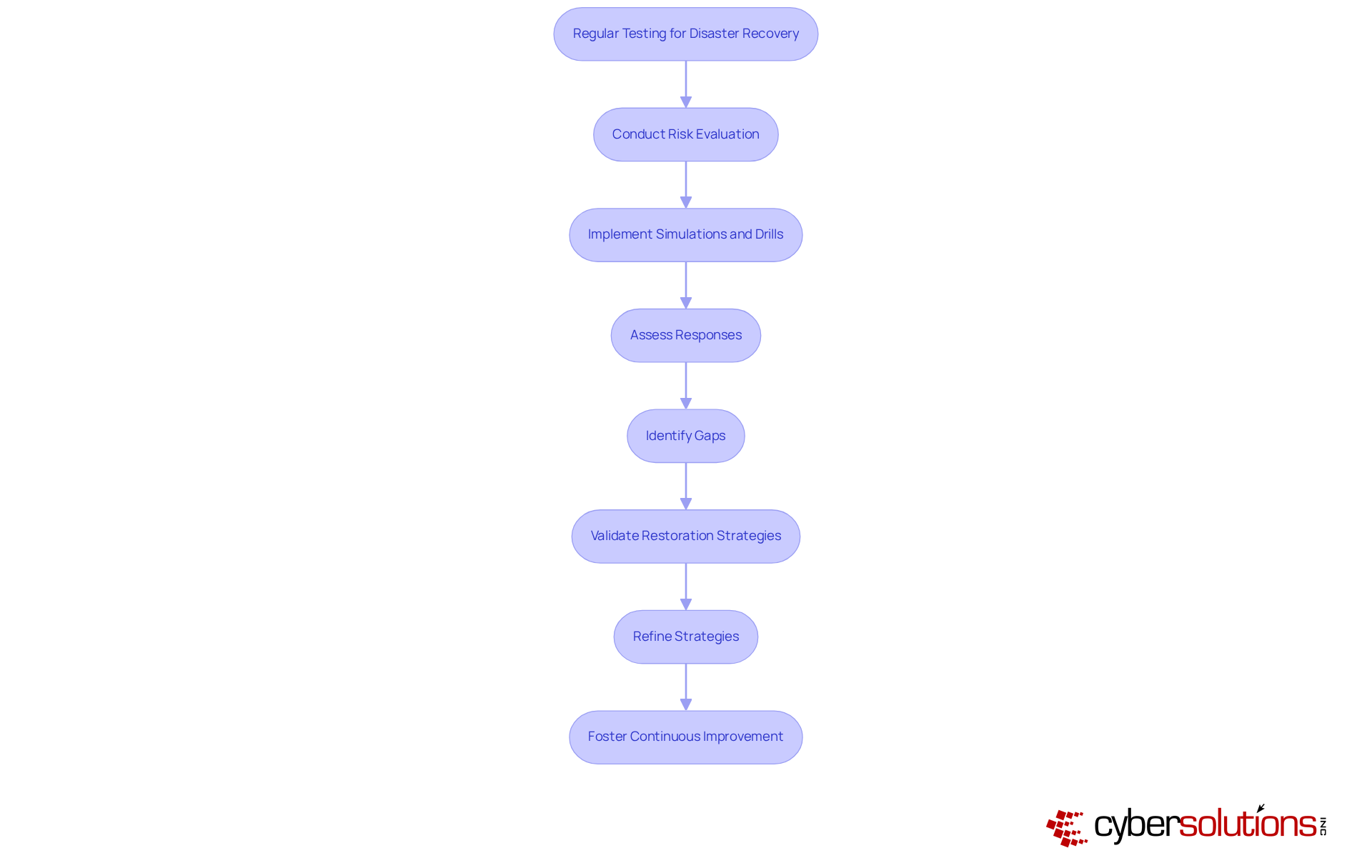
Routine evaluation of disaster recovery plans is paramount for maintaining their efficiency. Organizations must implement simulations and drills to rigorously assess their responses to a variety of disaster scenarios. This proactive approach not only uncovers weaknesses but also guarantees that all team members are thoroughly familiar with their roles during an actual incident. A comprehensive risk evaluation is essential for identifying potential threats, while a business impact analysis helps in prioritizing critical IT systems that require restoration. By conducting regular tests, entities can validate their restoration strategies, ensuring that Recovery Point Objectives (RPO) and Recovery Time Objectives (RTO) are both practical and achievable.
Industry leaders emphasize that testing is not a one-time endeavor but rather an ongoing commitment. Regular drills significantly enhance team readiness, empowering groups to refine their strategies and minimize disruptions. For example, companies that engage in quarterly testing often report improved restoration outcomes, as these practices bolster skill retention among employees and clarify responsibilities. Furthermore, simulation tests provide a realistic assessment of processes, enabling entities to identify bottlenecks and overlooked components before they can be exploited during a genuine crisis.
As we approach 2025, the impact of simulation exercises on crisis restoration outcomes has become increasingly evident, with organizations recognizing that successful restoration hinges on a well-prepared team. Numerous industries now mandate regular testing, intensifying the urgency for regular assessments. The longer the interval between evaluations, the higher the risk of outdated protocols and vulnerabilities. By fostering a culture of continuous improvement through frequent assessments, companies can ensure their contingency plans evolve alongside emerging technologies and risks, ultimately safeguarding their operations against unforeseen disruptions.
Employee Training: Preparing Your Team for Effective Disaster Recovery
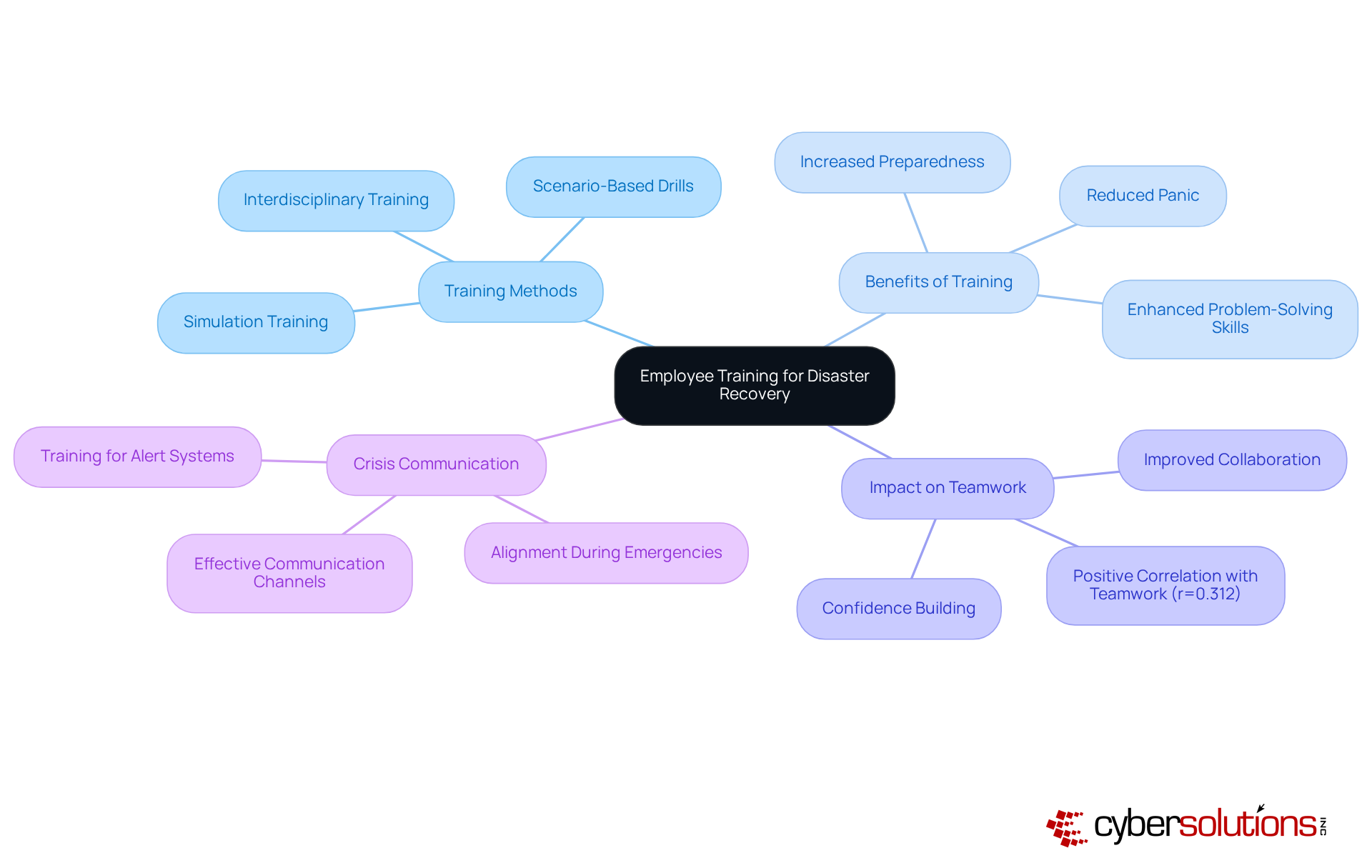
Employee training is a pivotal element in a strong disaster recovery plan. Organizations must implement regular training sessions to ensure that all employees are adept in their roles and responsibilities during a crisis. For instance, hands-on training has demonstrated remarkable effectiveness, with participants reporting significantly higher preparedness levels compared to those who received solely theoretical instruction. This hands-on approach not only bolsters confidence but also enhances teamwork capabilities, as evidenced by a moderate positive correlation (r=0.312) between training and improved collaboration.
Investing in comprehensive training programs can dramatically diminish downtime during emergencies. Studies indicate that organizations with a proactive training strategy can respond swiftly, minimizing confusion and facilitating a quicker return to normal operations. In 2025, the impact of such training was evident when companies that had equipped their teams successfully managed to sustain productivity despite significant interruptions caused by natural events. Importantly, 65.6% of participants had not received any prior training, underscoring a substantial gap that highlights the necessity for such programs.
Optimal methods for training staff on emergency response include simulations that enhance problem-solving and decision-making abilities. These exercises prepare teams to tackle unexpected challenges with agility and confidence. Furthermore, effective communication during emergencies is critical; training should encompass the use of appropriate channels for alerts and updates, ensuring that everyone is aligned and working cohesively. As Mitchel Rosen emphasizes, responders must be equipped with both the knowledge and skills to act decisively during crises.
Insights from training professionals reinforce the necessity of a training program that includes routine drills. By fostering a culture of preparedness through regular training, organizations not only enhance their resilience but also demonstrate a commitment to employee safety, ultimately building trust and morale within the workforce.
Conclusion
A robust business disaster recovery plan is not just beneficial; it is essential for organizations striving to maintain continuity and resilience in the face of unforeseen disruptions. This article has outlined ten critical elements that contribute to an effective disaster recovery strategy, emphasizing the importance of preparation, proactive measures, and continuous improvement to safeguard operations.
Key insights reveal the necessity of automated backups and meticulous restoration planning, both of which significantly enhance recovery outcomes. The integration of threat detection technologies, compliance as a service, and incident response strategies further solidifies the framework for managing risks effectively. Additionally, routine vulnerability assessments, co-managed IT support, and endpoint protection are vital components that empower organizations to swiftly adapt to challenges while maintaining data integrity. Regular testing and employee training are crucial for refining response strategies and equipping teams to act decisively during crises.
Ultimately, the emphasis on a comprehensive and well-structured disaster recovery plan cannot be overstated. Organizations must recognize that investing in these key elements not only mitigates risks but also fortifies their operational resilience. By adopting best practices and remaining vigilant against emerging threats, businesses can navigate the complexities of disaster recovery with confidence, ensuring they are well-prepared for whatever challenges may arise in the future.
Frequently Asked Questions
What services does Cyber Solutions Inc. provide for backup and disaster recovery?
Cyber Solutions Inc. offers a comprehensive range of backup and disaster management services, including automated backups, data duplication, and meticulous restoration planning to ensure operational continuity.
Why are automated backups important for businesses?
Automated backups minimize downtime and safeguard critical data, allowing businesses to fully resume operations after data loss incidents. Studies show that 96% of businesses with reliable backup solutions can recover successfully.
What steps are involved in developing a business disaster recovery plan?
A robust business disaster recovery plan involves identifying critical systems and data, classifying essential operations, and implementing automated processes to ensure regular data capture.
How do automated backup strategies impact restoration outcomes?
Organizations employing automated backup strategies experience significantly enhanced restoration outcomes. For example, 39% of businesses with a comprehensive business continuity management framework can restore all mission-critical operations with minimal issues.
What is the expected trend for data storage by 2025?
By 2025, approximately 84% of organizations are expected to store data or backups in the cloud, indicating a shift towards cloud-based solutions for faster recovery and improved data management.
What is the role of threat detection in cybersecurity?
Advanced threat detection systems are essential for identifying vulnerabilities and potential cyber threats before they escalate. Cyber Solutions Inc. offers round-the-clock threat monitoring to swiftly identify and halt suspicious activities.
How does Cyber Solutions Inc. enhance security posture for organizations?
By integrating threat detection into emergency response strategies, organizations can reduce risks and enhance their overall security posture, shielding against immediate threats and fortifying their network.
What is Compliance as a Service (CaaS)?
Compliance as a Service (CaaS) helps organizations navigate industry regulations such as HIPAA, PCI-DSS, CMMC, SOX, and GDPR by providing comprehensive risk assessments, policy development, and continuous compliance monitoring.
How does CaaS benefit business disaster recovery plans?
CaaS ensures that restoration strategies align with regulatory mandates, mitigating the risk of non-compliance penalties. It includes ongoing evaluations and updates to keep action plans in sync with evolving regulations.
What capabilities does CaaS offer to organizations?
CaaS provides proactive monitoring and real-time reporting to identify compliance gaps early, enhancing operational resilience and safeguarding against potential penalties.
List of Sources
- Cyber Solutions Inc.: Comprehensive Backup and Disaster Recovery Services
- ntgit.com (https://ntgit.com/why-every-business-needs-a-smart-backup-and-disaster-recovery-strategy-in-2025)
- cyberfortress.com (https://cyberfortress.com/blog/record-ransomware-payouts-in-q2-2025-underscore-need-for-resilience)
- vmblog.com (https://vmblog.com/archive/2025/01/31/bdrsuite-2025-predictions-top-5-emerging-trends-in-backup-and-disaster-recovery.aspx)
- llcbuddy.com (https://llcbuddy.com/data/disaster-recovery-statistics)
- teamats.com (https://teamats.com/blog?p=safeguarding-your-business-the-critical-importance-of-business-continuity-and-data-backup-250519)
- Threat Detection: Essential for Identifying Risks Before They Escalate
- digitalisationworld.com (https://digitalisationworld.com/blog/58218/2025-ai-insights-threat-detection-and-response)
- lockheedmartin.com (https://lockheedmartin.com/en-us/news/features/2025/pioneering-Innovation-how-lockheed-martin-is-using-ai-to-transform-cybersecurity.html)
- 10 Cyber Security Trends For 2026 (https://sentinelone.com/cybersecurity-101/cybersecurity/cyber-security-trends)
- darktrace.com (https://darktrace.com/blog/2025-cyber-threat-landscape-darktraces-mid-year-review)
- CrowdStrike 2026 Global Threat Report | Key Cyber Threat Trends (https://crowdstrike.com/en-us/global-threat-report)
- Compliance as a Service (CaaS): Ensuring Regulatory Adherence in Recovery Plans
- n-able.com (https://n-able.com/blog/why-compliance-as-a-service-caas-is-the-next-big-opportunity-for-msps)
- stasmayer.com (https://stasmayer.com/how-compliance-as-a-service-simplifies-regulatory-challenges)
- transputec.com (https://transputec.com/blogs/compliance-challenges-in-2025)
- secureframe.com (https://secureframe.com/blog/compliance-as-a-service-caas)
- Incident Response: Critical for Rapid Recovery and Damage Control
- cisa.gov (https://cisa.gov/news-events/alerts/2025/09/23/cisa-releases-advisory-lessons-learned-incident-response-engagement)
- morganlewis.com (https://morganlewis.com/blogs/sourcingatmorganlewis/2025/06/nist-releases-updated-incident-response-guidance-under-its-cybersecurity-framework)
- blog.rsisecurity.com (https://blog.rsisecurity.com/a-guide-to-create-a-security-incident-response-plan-csirp)
- purplesec.us (https://purplesec.us/learn/incident-response-best-practices)
- cisa.gov (https://cisa.gov/news-events/cybersecurity-advisories/aa25-266a)
- Vulnerability Assessments: Identifying Weaknesses in Your Recovery Strategy
- guidepointsecurity.com (https://guidepointsecurity.com/blog/grits-2025-report-annual-vulnerability-analysis-and-exploitation-trends)
- infosecurity-magazine.com (https://infosecurity-magazine.com/risk-and-vulnerability-assessment)
- invenioit.com (https://invenioit.com/continuity/disaster-recovery-statistics?srsltid=AfmBOops4tQSBi9FKmH6Dv6MjlFh7-0G3-tBYEwO_Xc-YOSSHTW9-zmi)
- comparecheapssl.com (https://comparecheapssl.com/vulnerability-management-statistics-key-insights-trends)
- llcbuddy.com (https://llcbuddy.com/data/disaster-recovery-statistics)
- Co-Managed IT Support: Strengthening Your Disaster Recovery Efforts
- bradenonline.com (https://bradenonline.com/how-co-managed-it-empowers-growing-teams)
- egroup-us.com (https://egroup-us.com/news/disaster-recovery-2025-why-it-matters)
- invenioit.com (https://invenioit.com/continuity/disaster-recovery-statistics?srsltid=AfmBOoqewevexiT-hmrwyK06BB_5DbRao7cyvB3CCdN_FifIRjn0Stjt)
- cdsofficetech.com (https://cdsofficetech.com/co-managed-it-services-the-best-of-both-worlds-for-your-business)
- i-techsupport.com (https://i-techsupport.com/co-managed-it-support?srsltid=AfmBOooLd2VvpWXOCuJeqek2JZqCXAxkCWkCYEVDOpSFEzldr4xkMCDP)
- Endpoint Protection: Safeguarding Data During Disasters
- cyberdefensemagazine.com (https://cyberdefensemagazine.com/endpoint-security-in-2025)
- ntgit.com (https://ntgit.com/why-every-business-needs-a-smart-backup-and-disaster-recovery-strategy-in-2025)
- guardz.com (https://guardz.com/blog/36-endpoint-security-statistics-msps-should-know-about-in-2025)
- expertinsights.com (https://expertinsights.com/endpoint-security/50-endpoint-security-stats-you-should-know)
- egroup-us.com (https://egroup-us.com/news/disaster-recovery-2025-why-it-matters)
- Communication Plan: Keeping Stakeholders Informed During a Crisis
- forbes.com (https://forbes.com/sites/edwardsegal/2025/07/29/what-ceos-need-to-plan-the-perfect-crisis-communications-strategy)
- forbes.com (https://forbes.com/sites/edwardsegal/2023/02/23/less-than-half-of-surveyed-us-companies-have-a-formal-crisis-communications-plan-report)
- Crisis Communication Plan for 2026: 7 Emergency Steps (https://alertmedia.com/blog/crisis-communication)
- bryghtpath.com (https://bryghtpath.com/communicating-with-stakeholders-during-a-crisis)
- amraandelma.com (https://amraandelma.com/crisis-management-marketing-statistics)
- Regular Testing: Ensuring Your Disaster Recovery Plan Remains Effective
- Importance of Regular Disaster Recovery Tests | Cutover (https://cutover.com/blog/importance-regular-disaster-recovery-tests)
- newresources.com (https://newresources.com/blogs/the-importance-of-regular-disaster-recovery-testing-for-it-security-professionals-understanding-disaster-recovery-dr)
- The Importance of Regular Disaster Recovery Testing and Updates - VAST (https://vastitservices.com/blog/the-importance-of-regular-disaster-recovery-testing-and-updates)
- drj.com (https://drj.com/industry_news/the-anatomy-of-recovery-why-testing-is-the-heart-of-business-resilience)
- allconnected.com (https://allconnected.com/top-disaster-recovery-scenarios-businesses-must-test-in-2025)
- Employee Training: Preparing Your Team for Effective Disaster Recovery
- eajem.com (https://eajem.com/articles/improving-disaster-preparedness-among-healthcare-professionals-a-comprehensive-approach/eajem.galenos.2025.51482)
- natlawreview.com (https://natlawreview.com/article/ready-set-recover-building-crisis-ready-workplace)
- businesscontingencygroup.com (https://businesscontingencygroup.com/post/the-importance-of-employee-training-in-business-continuity-planning)
- sph.rutgers.edu (https://sph.rutgers.edu/news/why-ongoing-worker-safety-training-critical-effective-disaster-response)
- dol.gov (https://dol.gov/newsroom/releases/eta/eta20250929)