

Introduction
Understanding the myriad ways cybercriminals infiltrate organizations is not just important; it is essential for safeguarding sensitive information, especially in sectors like healthcare where the stakes are exceptionally high. In this context, every C-suite leader must recognize the urgent need to fortify their cybersecurity strategies against evolving threats. This article delves into ten essential attack vectors that leaders must comprehend to effectively protect their organizations.
By exploring these definitions, executives can identify vulnerabilities within their systems and implement robust defenses. Yet, as the landscape of cyber threats continues to evolve, the pressing question remains: how can leaders ensure they stay ahead of these sophisticated attacks while maintaining operational integrity?
Cyber Solutions Inc.: Comprehensive Cybersecurity Services to Mitigate Attack Vectors
In today’s rapidly evolving digital landscape, the importance of cybersecurity cannot be overstated, especially within the healthcare sector. Cyber Solutions Inc. provides a comprehensive suite of services. Among these, the incident response team stands out as a critical component, offering prompt assistance during incidents to significantly reduce potential damage and enhance recovery. Furthermore, the incorporation of threat assessments, email safeguards, firewalls, and managed defense services strengthens defenses against cyber risks, ensuring that organizations remain resilient in the face of threats.
Utilizing threat intelligence, Cyber Solutions empowers entities to proactively defend against breaches, safeguarding sensitive data while ensuring compliance. This holistic approach not only fortifies protection but also enhances operational efficiency, allowing businesses to concentrate on their core functions without the complexities of IT management. As organizations navigate the shifting landscape of cyber threats, the adoption of cybersecurity frameworks is increasingly recognized as a strategic investment, aligning protective measures with corporate objectives and bolstering overall resilience.
It is essential to understand that cybersecurity is not a one-time endeavor but an ongoing process that requires continuous oversight and adaptation to emerging challenges. This perspective underscores the importance of viewing cybersecurity as a collective responsibility across the organization, fostering a culture that enhances defensive capabilities and ensures that all team members remain vigilant against potential threats. Moreover, our managed services present a cost-effective alternative to maintaining an in-house team, enabling organizations to allocate resources more efficiently while achieving robust protection.

Understanding Attack Vectors: Definitions and Importance for Business Security
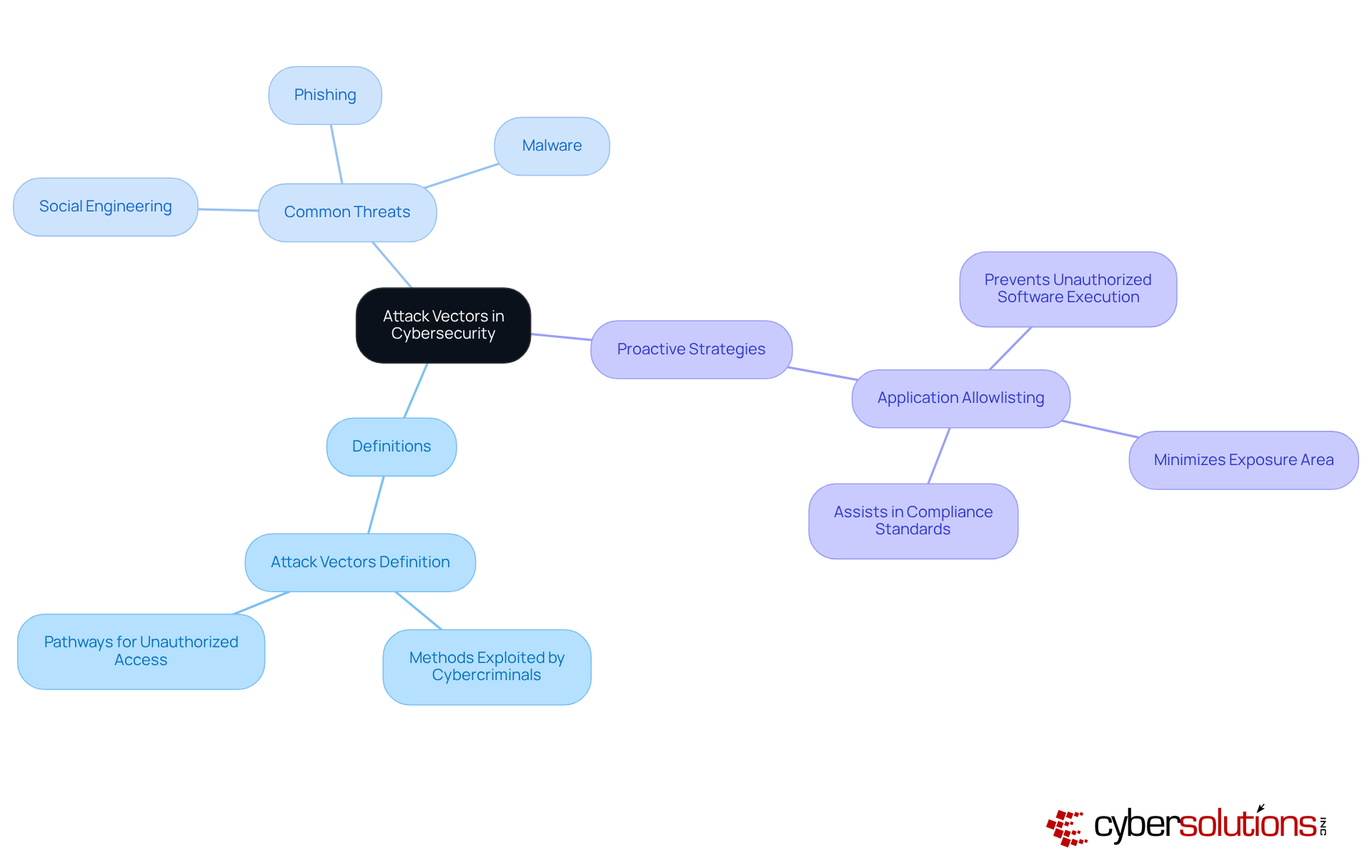
Understanding the concept is crucial in the realm of cybersecurity, particularly for organizations aiming to protect their systems and networks. The term refers to the methods or pathways that cybercriminals exploit to gain unauthorized access. By grasping these vectors, business leaders can identify vulnerabilities within their infrastructure, reinforcing their security posture.
The section encompasses common threats such as phishing, malware, and social engineering, each presenting unique challenges. Recognizing these threats empowers organizations to implement security measures, such as employee training. This proactive measure not only prevents unauthorized software from executing but also minimizes the exposure area, thereby enhancing overall security. Furthermore, it assists in meeting compliance requirements, ensuring that only authorized applications operate within the network.
Incorporating proactive strategies like threat assessments enables organizations to allocate resources efficiently, significantly reducing risks associated with these threat vectors. By staying ahead of potential threats, businesses can safeguard their operations and maintain the trust of their stakeholders.
Types of Attack Vectors: Identifying Common Threats in Cybersecurity
In today's digital landscape, the importance of cybersecurity cannot be overstated. Organizations face a myriad of threats that threaten their operational integrity and the confidentiality of sensitive information.
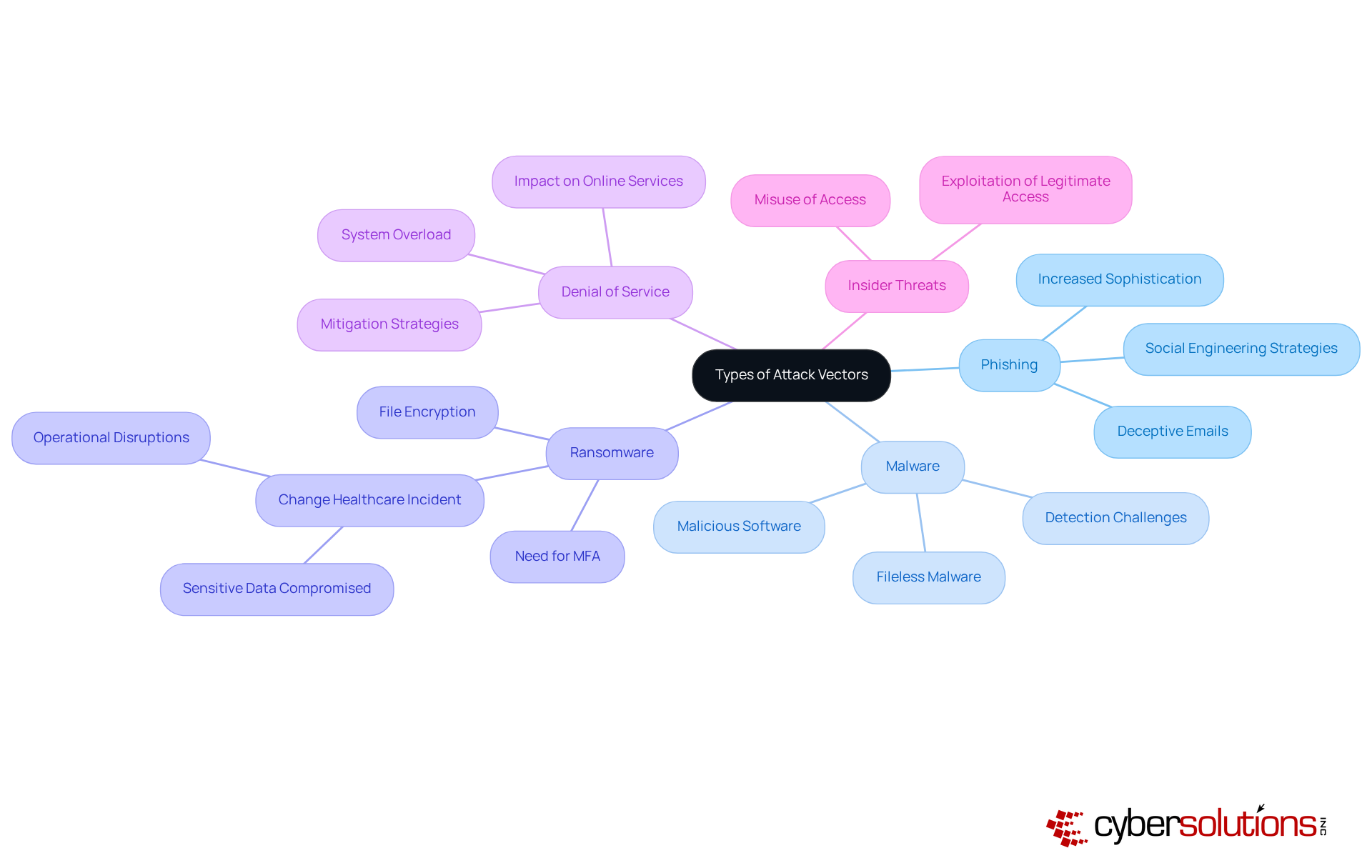
- Phishing: Deceptive emails designed to trick users into revealing sensitive information, often leading to unauthorized access to accounts or systems. Recent trends suggest that phishing incidents have become progressively advanced, employing social engineering strategies to exploit human weaknesses.
- Malware: Malicious software that disrupts, damages, or gains unauthorized access to systems. In 2025, malware incidents are evolving, with a significant increase in fileless malware that operates in memory, complicating detection efforts.
- Ransomware: A specific type of malware that encrypts files and demands payment for decryption. The impact of ransomware incidents can be devastating, as demonstrated by the Change Healthcare event in February 2024, where sensitive patient data was compromised, leading to significant operational disruptions and financial losses. This incident underscores the critical need for adopting effective and swift incident response strategies. For instance, Cyber Solutions Inc. restored 4,500 endpoints following a ransomware attack, ensuring continuity of care and compliance in healthcare environments. Best practices are essential for effectively managing such incidents.
- Denial of Service: Attacks that overwhelm systems, rendering them unavailable to users. These assaults can incapacitate organizations, particularly those reliant on online services, highlighting the necessity for robust mitigation strategies.
- Insider Threats: Risks posed by employees or contractors who misuse their access to harm the organization. Insider threats can be particularly insidious, as they often exploit legitimate access to sensitive information.
Understanding the types of attack vectors is crucial for organizations to effectively tailor their protective strategies. Experts emphasize that a multi-layered approach, the implementation of security awareness training, and application allowlisting—can significantly reduce the risk of successful intrusions. Application allowlisting, in particular, serves as a gold standard in cybersecurity by preventing unauthorized software from executing, thereby enhancing overall protection and ensuring compliance with regulations.
Impact of Attack Vectors on System Security: Risks and Consequences
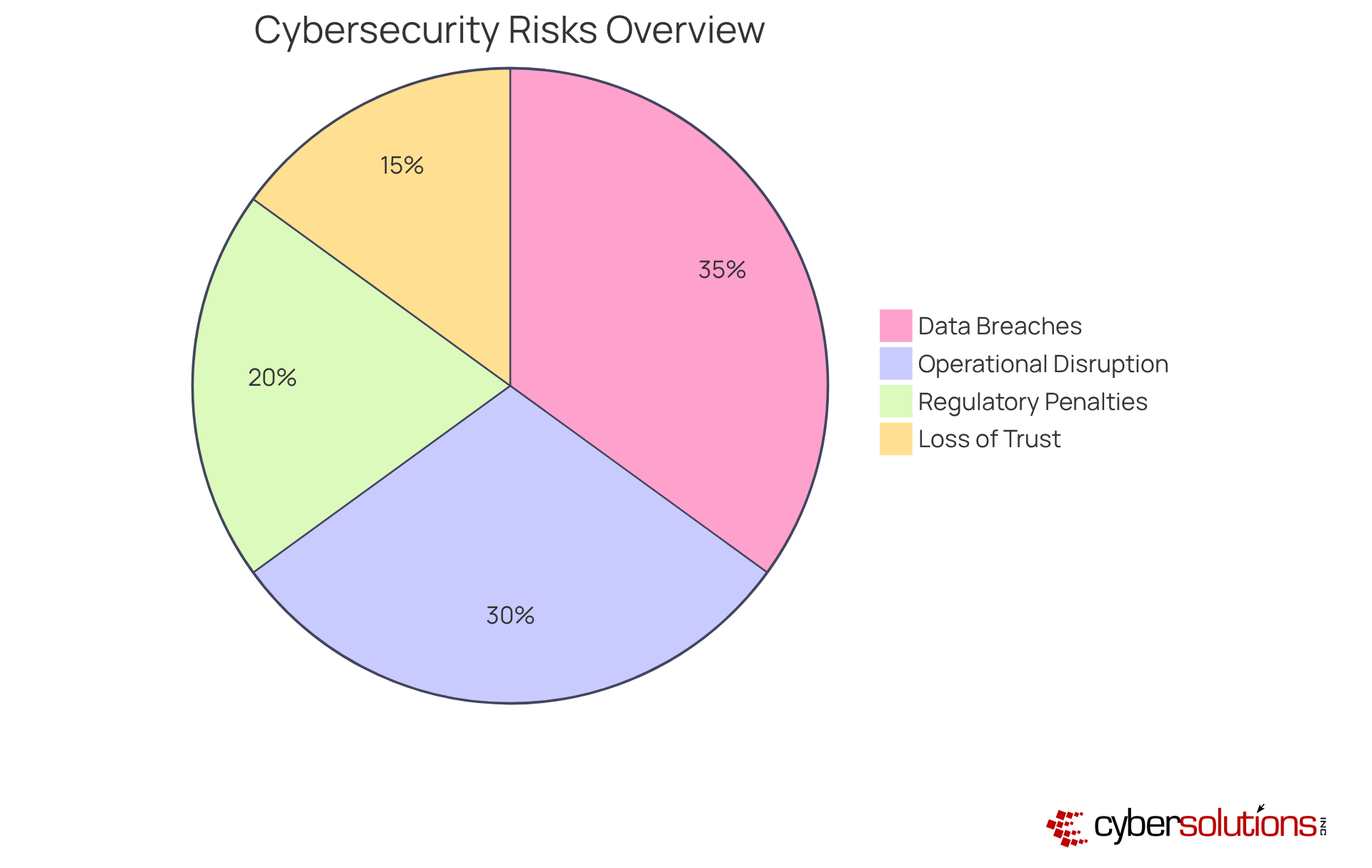
The attack vectors definition highlights the profound impact they have on system security, underscoring the critical need for investment in healthcare. Consider the following significant risks:
- Unauthorized access to sensitive information can lead to substantial and irreparable reputational damage.
- Cyberattacks have the potential to halt business operations, resulting in lost revenue and diminished productivity.
- Regulatory penalties due to security breaches can result in hefty fines, further straining resources.
- Data breaches can erode customer confidence, adversely affecting long-term business relationships.
Understanding these risks is essential for C-suite leaders, particularly CFOs, to advocate for enhanced security measures. The current landscape of cybersecurity threats demands immediate attention and action.
Exploiting Attack Vectors: How Cybercriminals Gain Access to Systems
Cybercriminals are increasingly exploiting vulnerabilities through a variety of sophisticated methods that demand urgent attention from organizations, particularly in the healthcare sector. Understanding these tactics is vital for establishing security protocols that can protect sensitive data.
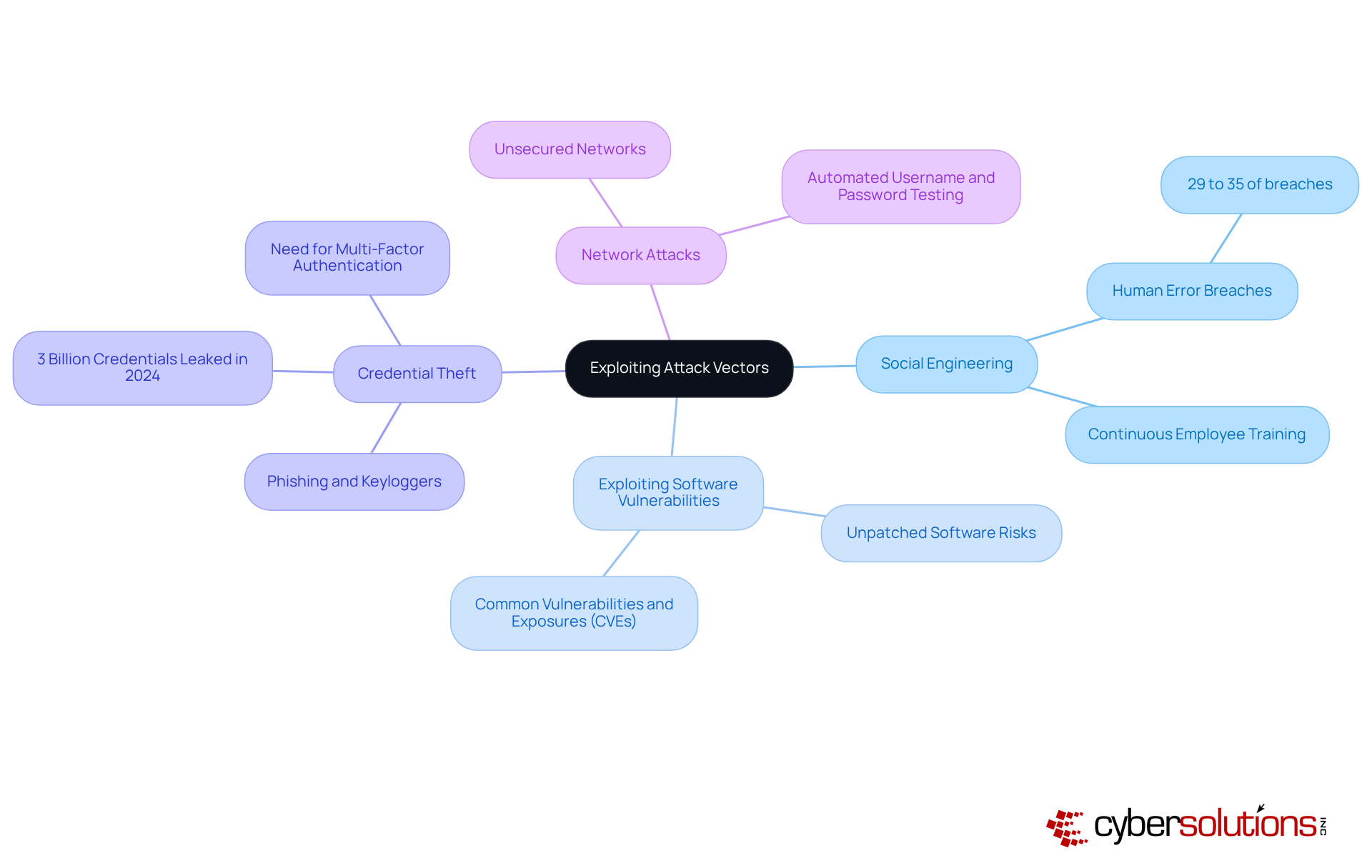
- Social Engineering: This tactic involves manipulating individuals into revealing confidential information. Human error is a significant factor in breaches, with studies indicating that between 29% to 35% of reported breaches arise from such errors. Continuous employee training is essential to recognize and resist these manipulative tactics, thereby reducing vulnerability.
- Software Exploits: Cybercriminals often take advantage of unpatched software to gain unauthorized access. Attackers frequently exploit Common Vulnerabilities and Exposures (CVEs) in widely utilized applications, underscoring the necessity for organizations to uphold stringent patch management.
- Credential Theft: Techniques such as phishing and the use of keyloggers are prevalent in capturing login credentials. In 2024 alone, nearly 3 billion unique sets of credentials were leaked. This alarming statistic underscores the critical need for robust security measures and the implementation of multi-factor authentication to mitigate risks effectively.
- Network Attacks: Gaining access through unsecured networks or devices remains a common strategy for cybercriminals. Automated tools are frequently utilized to test various username and password combinations, making it crucial for companies to implement robust security measures, including firewalls and intrusion detection systems.
By comprehensively understanding the attack vectors, organizations can implement more robust protective measures to thwart potential breaches. This proactive approach not only safeguards sensitive data but also maintains compliance in an increasingly regulated environment.
Passive vs. Active Attack Vectors: Understanding the Tactics of Cybercriminals
In the realm of cybersecurity, understanding the attack vectors is paramount to protecting systems. Attack vectors can be classified into two primary categories: passive and active.
- Passive Attack Vectors: These tactics involve monitoring or collecting data without making any alterations to the system. A common example is eavesdropping on network traffic, where cybercriminals capture sensitive information such as login credentials or confidential communications without detection. This form of assault can significantly undermine security, as it enables intruders to collect information for future exploits without triggering alerts.
- Active Attack Vectors: Conversely, active attack vectors entail direct interaction with the system to cause harm. This includes tactics such as injecting malware, executing denial-of-service operations, or manipulating data. These assaults are more forceful and can result in sudden interruptions in operations, data breaches, or loss of sensitive information.
Understanding the differences between passive and active attack vectors is essential for organizations striving to enhance their security posture. For instance, organizations can establish strong monitoring systems to identify unusual network activity suggesting passive intrusions, while also utilizing firewalls to combat active dangers.
As such, a proactive method for recognizing and addressing these threat vectors is crucial for protecting sensitive information and ensuring operational integrity. Organizations that effectively defend against attack vectors not only safeguard their data but also strengthen their overall security framework, ensuring resilience and fostering trust with stakeholders.

Defending Against Attack Vectors: Best Practices for Organizational Security
In today's digital landscape, the significance of robust cybersecurity measures cannot be overstated, especially within the healthcare sector. Organizations must adopt best practices to defend against an array of attack vectors that threaten sensitive information and operational integrity.
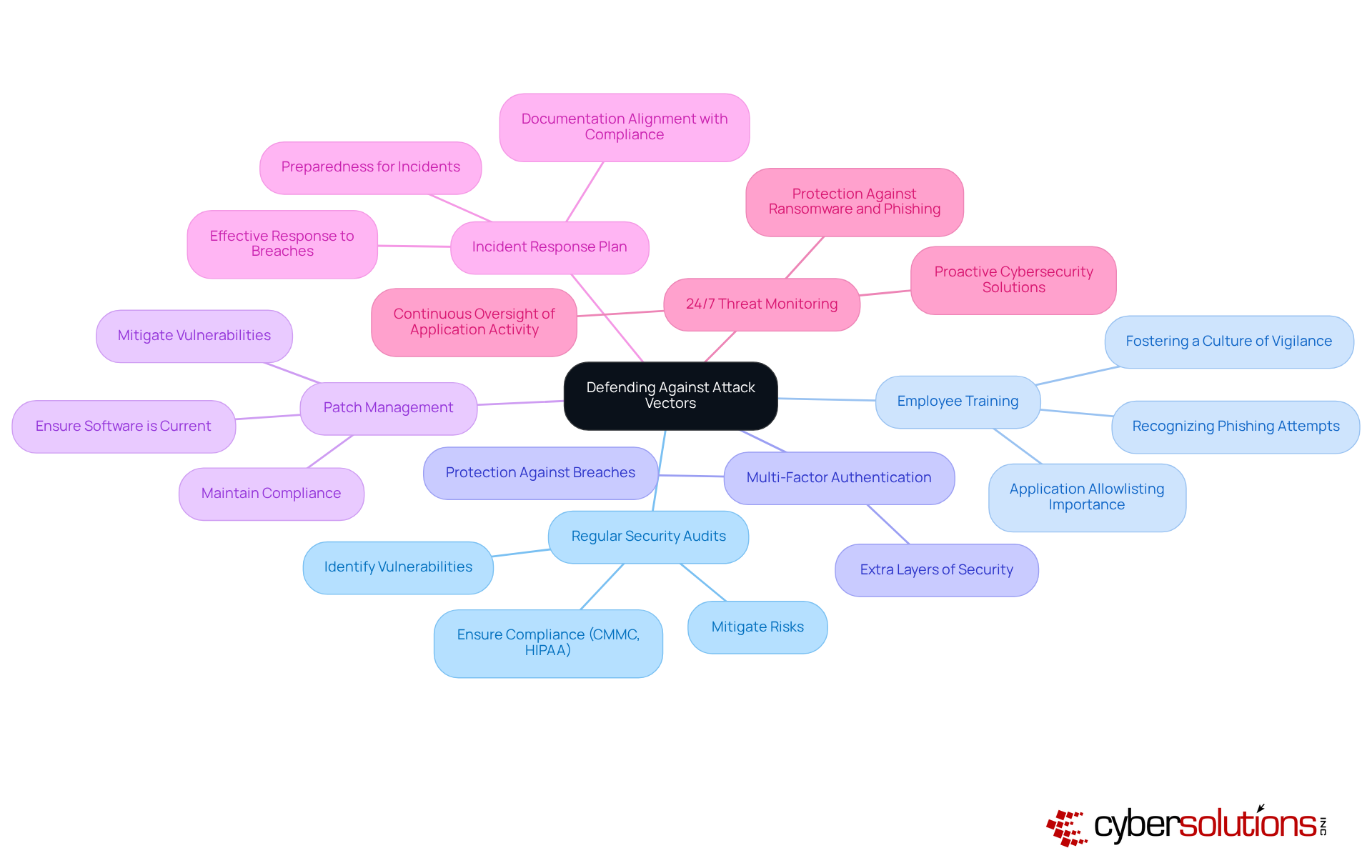
- are essential. Conducting frequent assessments allows organizations to identify vulnerabilities and ensure compliance with critical standards such as CMMC and HIPAA. This proactive approach not only mitigates risks but also reinforces the organization's commitment to safeguarding patient data.
- is equally vital. By educating staff on recognizing phishing attempts and other threats, organizations can foster a culture of vigilance. Emphasizing the importance of application allowlisting is crucial to prevent unauthorized software execution, thereby fortifying the organization's defenses.
- Implementing adds extra layers of security for sensitive systems, significantly improving protection against breaches. This measure is a fundamental step in creating a resilient cybersecurity framework.
- is another critical practice. Ensuring all software is current mitigates vulnerabilities, which is essential for maintaining compliance and protection. Regular updates are a straightforward yet effective way to enhance security.
- An should be developed and regularly updated. This plan is vital for responding effectively to security breaches, ensuring that documentation aligns with compliance requirements and that the organization is prepared to act swiftly in the face of an incident.
- Finally, is imperative. Utilizing helps protect against ransomware and phishing incidents, ensuring continuous oversight of application activity. This constant vigilance is key to maintaining a secure environment.
By adopting these best practices, organizations can significantly lower the risk of successful intrusions while ensuring compliance with regulatory standards. The proactive implementation of these strategies not only enhances security but also instills confidence among stakeholders in the organization's commitment to cybersecurity.
Leveraging Threat Intelligence: Enhancing Security Against Attack Vectors
Utilizing threat intelligence is crucial for companies seeking to strengthen their security against evolving intrusion methods. As we approach 2025, the landscape of cybersecurity is marked by a notable increase in threats and AI-driven initiatives. Statistics reveal that over 60% of entities reported encountering attacks in the past year, underscoring the importance of staying informed.
To effectively monitor threats, organizations should:
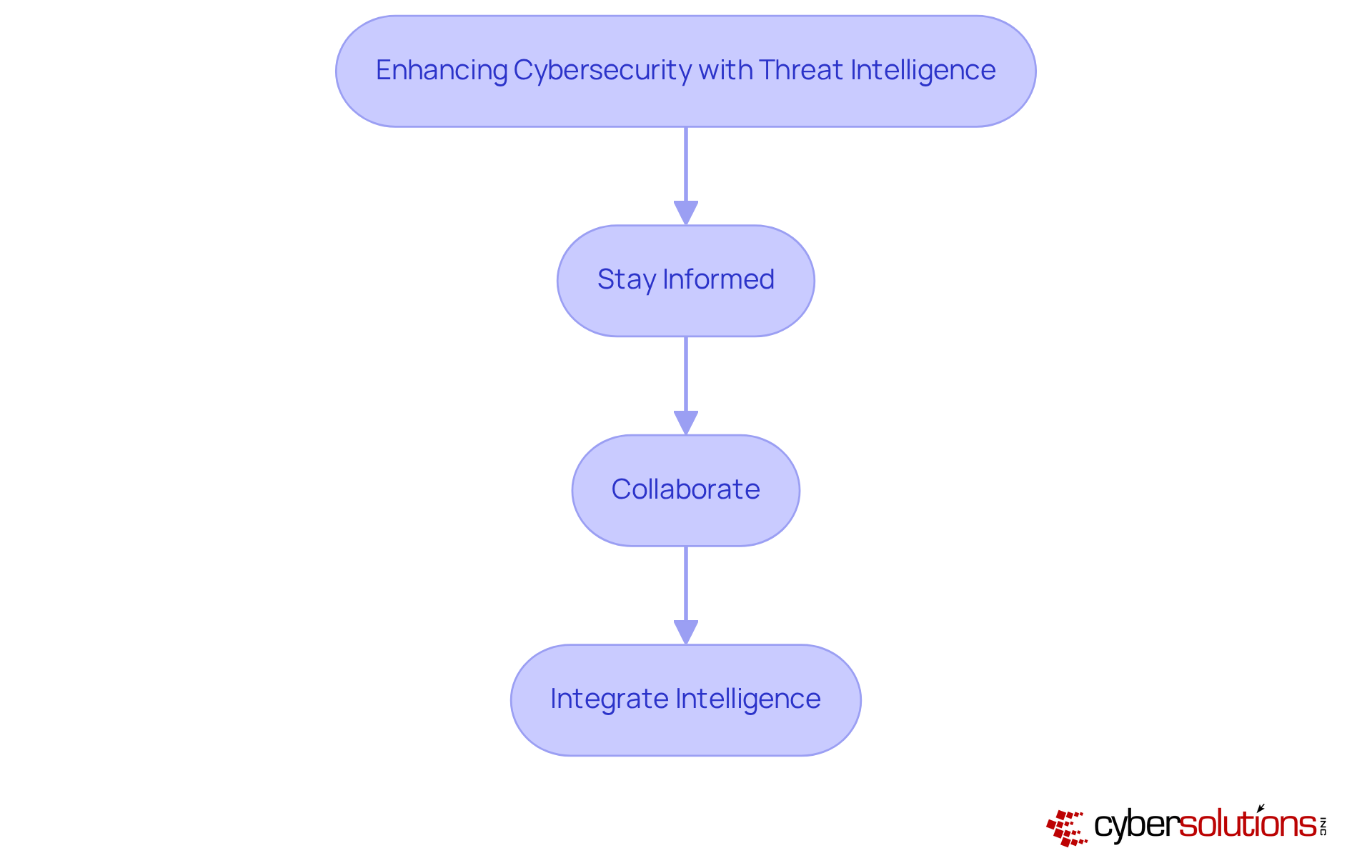
- Stay Informed: Regularly update their knowledge on new tactics employed by cybercriminals, ensuring they are prepared for potential breaches.
- Collaborate: Engage with industry peers to share insights and best practices, fostering a community of awareness against common challenges.
- Integrate Intelligence: Incorporate risk intelligence into security protocols, informing policies and incident response plans. This proactive approach not only enhances defenses but also minimizes the impact of potential attacks.
Organizations such as Whitehorse City Council exemplify efficient oversight through their security operations center (SOC), which operates continuously to identify and address risks in real-time. This ongoing vigilance has significantly bolstered their security stance, highlighting the importance of dedicated resources in tackling cyber challenges.
Industry leaders emphasize the necessity of understanding the attack vectors definition within the changing risk landscape. As one specialist noted, "It is crucial to watch for emerging threats; to achieve success, we must first comprehend the changing risk environment." By prioritizing security measures, entities can protect their assets while ensuring compliance, ultimately fostering a more secure digital environment.
Compliance and Attack Vectors: Navigating Regulatory Challenges in Cybersecurity
Compliance is vital for mitigating risks associated with the attack vectors definition. Organizations must:
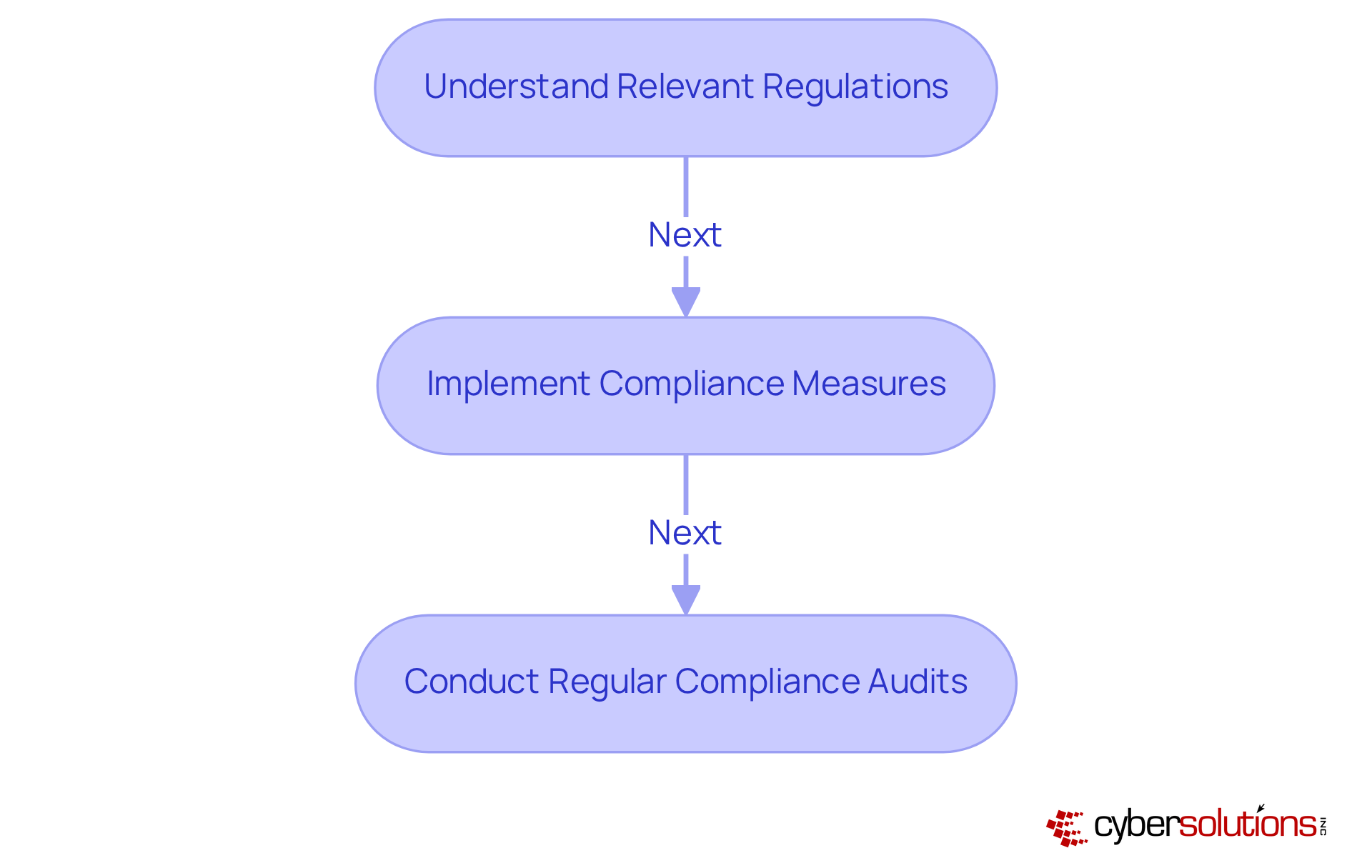
- Familiarize themselves with frameworks such as GDPR, which set the standards for protecting sensitive data and ensuring privacy.
- Develop comprehensive policies and procedures that align with these regulatory requirements, ensuring that all aspects of operations are covered.
- Perform ongoing assessments to ensure adherence to regulations and identify areas for improvement, thereby enhancing security.
By emphasizing adherence, entities not only lower the risk of penalties but also enhance their protections against cyber threats. As regulatory bodies continue to enforce stringent measures, the importance of compliance cannot be overstated.
Strategic Awareness of Attack Vectors: A Necessity for C-Suite Leaders
C-suite executives must cultivate a strategic understanding of the attack vectors to effectively safeguard their enterprises. In today’s rapidly evolving cybersecurity landscape, understanding the threats is not merely an option but a necessity. In fact, a staggering 84% of organizations in 2025 reported a rise in cyber incidents compared to just three years prior, illustrating the critical importance of staying informed about vulnerabilities and sophisticated phishing schemes.
Engaging with cybersecurity experts is paramount to grasping the risks. With executives facing cyber threats at a rate 12 times higher than that of regular employees, the insights gained from professionals can significantly fortify a company's defenses. This collaboration not only enhances understanding of vulnerabilities but also empowers leaders by providing them with the knowledge to make informed decisions regarding their security posture.
Moreover, understanding the implications of attack vectors is essential for integrating cybersecurity into the overall business strategy. Organizations that view cybersecurity as a strategic investment rather than a mere cost center are better positioned to effectively understand the risks and mitigate threats. For instance, 75% of Chief Information Security Officers (CISOs) attribute a reduction in incidents to increased investment in artificial intelligence, underscoring the necessity of incorporating advanced technologies.
By fostering a culture of awareness and proactive engagement, C-suite leaders can better shield their organizations from the ever-evolving landscape of cyber threats.
Conclusion
Understanding the intricacies of attack vectors is vital for C-suite leaders aiming to safeguard their organizations against the ever-evolving landscape of cyber threats. This article has highlighted the critical definitions and implications of various attack vectors, emphasizing their role as pathways exploited by cybercriminals to gain unauthorized access. By grasping these concepts, executives can better identify vulnerabilities within their systems and implement effective strategies to bolster their cybersecurity posture.
Key insights discussed include:
- The importance of recognizing common threats such as phishing, malware, and insider threats.
- Proactive measures like application allowlisting and multi-factor authentication.
- The necessity for continuous employee training and regular security audits.
- The integration of threat intelligence to stay ahead of emerging risks.
- The significance of compliance with industry regulations as a crucial factor in mitigating risks associated with attack vectors.
In conclusion, fostering a culture of security awareness and proactive engagement among C-suite leaders is essential in navigating the complexities of cybersecurity. By prioritizing a strategic approach to understanding attack vectors, organizations can not only protect sensitive information but also build trust with stakeholders. The time to act is now; investing in robust cybersecurity measures is not merely a defensive strategy but a fundamental aspect of ensuring long-term business resilience and success.
Frequently Asked Questions
What services does Cyber Solutions Inc. provide to enhance cybersecurity?
Cyber Solutions Inc. offers a comprehensive suite of cybersecurity services that include 24/7 help desk support, endpoint protection, email safeguards, firewalls, and managed defense services to mitigate various attack vectors.
Why is 24/7 help desk support important in cybersecurity?
The 24/7 help desk support is crucial as it provides prompt assistance during incidents, helping to significantly reduce potential damage and enhance overall business protection.
What are attack vectors in the context of cybersecurity?
Attack vectors refer to the methods or pathways that cybercriminals exploit to gain unauthorized access to systems and networks.
What are some common types of attack vectors?
Common attack vectors include phishing, malware, ransomware, denial of service (DoS) attacks, and insider threats.
How can organizations protect against phishing attacks?
Organizations can protect against phishing attacks by implementing employee training programs that raise awareness about deceptive emails and by utilizing targeted defenses.
What is malware and how does it affect organizations?
Malware is malicious software that disrupts, damages, or gains unauthorized access to systems. Its impact can include operational disruptions and data breaches.
What is ransomware and what are its potential consequences?
Ransomware is a type of malware that encrypts files and demands payment for decryption. Its consequences can include significant operational disruptions and financial losses, as seen in the Change Healthcare incident.
What strategies can organizations employ to mitigate the risk of ransomware?
Organizations can adopt multi-factor authentication (MFA) and develop swift incident response strategies to effectively manage ransomware incidents.
What is the significance of application allowlisting in cybersecurity?
Application allowlisting is a proactive strategy that prevents unauthorized software from executing, thus minimizing exposure to threats and ensuring compliance with regulations.
Why is cybersecurity considered an ongoing process?
Cybersecurity is an ongoing process because it requires continuous oversight and adaptation to emerging challenges, emphasizing the need for a collective responsibility across the organization.
How do managed IT services benefit organizations?
Managed IT services provide a cost-effective alternative to maintaining an in-house team, enabling organizations to allocate resources more efficiently while achieving robust protection against cyber threats.
List of Sources
- Cyber Solutions Inc.: Comprehensive Cybersecurity Services to Mitigate Attack Vectors
- enitechsolutions.com (https://enitechsolutions.com/top-benefits-of-managed-cybersecurity-for-your-business)
- cyburanus.com (https://cyburanus.com/blog/51-powerful-cybersecurity-quotes)
- aztechit.co.uk (https://aztechit.co.uk/blog/how-managed-cyber-security-services-can-benefit-your-business)
- digitaldefynd.com (https://digitaldefynd.com/IQ/inspirational-cybersecurity-quotes)
- Types of Attack Vectors: Identifying Common Threats in Cybersecurity
- qamadness.com (https://qamadness.com/case_studies/cybersecurity-assessment-for-a-leading-bank-in-a-gcc-country)
- solidcloudsecurity.com (https://solidcloudsecurity.com/multi-factor_authentication/case_studies)
- Exploiting Attack Vectors: How Cybercriminals Gain Access to Systems
- bitsight.com (https://bitsight.com/blog/what-are-compromised-credentials)
- vanishid.com (https://vanishid.com/resources/blog/protecting-against-social-engineering-and-credential-stuffing)
- reliaquest.com (https://reliaquest.com/blog/the-credential-abuse-cycle-theft-trade-and-exploitation)
- outpost24.com (https://outpost24.com/blog/credential-theft-the-business-impact-of-stolen-credentials)
- fraud.com (https://fraud.com/post/social-engineering-fraud)
- Passive vs. Active Attack Vectors: Understanding the Tactics of Cybercriminals
- researchgate.net (https://researchgate.net/publication/394790050_Generative_AI_for_cyber_threat_intelligence_applications_challenges_and_analysis_of_real-world_case_studies)
- academia.edu (https://academia.edu/6038045/An_Assessment_of_the_Awareness_of_Cyber_security_challenges_of_Small_and_Medium_Enterprises_in_Arusha)
- dokumen.pub (https://dokumen.pub/cyber-forensics-examining-emerging-and-hybrid-technologies-1nbsped-036752418x-9780367524180.html)
- Leveraging Threat Intelligence: Enhancing Security Against Attack Vectors
- researchgate.net (https://researchgate.net/publication/394790050_Generative_AI_for_cyber_threat_intelligence_applications_challenges_and_analysis_of_real-world_case_studies)
- empyreanit.com.au (https://empyreanit.com.au/case_studies/managed-soc-services)
- packtpub.com (https://packtpub.com/en-mx/product/cybersecurity-strategies-and-best-practices-9781803230054/chapter/chapter-3-staying-ahead-monitoring-emerging-threats-and-trends-3/section/the-importance-of-monitoring-emerging-threats-and-trends-ch03lvl1sec13?srsltid=AfmBOooNXf0jrHce5A2_oWBe2UZkmlGf53qT_hJyZqa9ldo69dxe5olg)
- dhlabs.ai (https://dhlabs.ai/case_studies/phishtrap-elevating-email-security-through-innovative-technology)
- Compliance and Attack Vectors: Navigating Regulatory Challenges in Cybersecurity
- cyberdefensemagazine.com (https://cyberdefensemagazine.com/keeping-up-with-compliance-navigating-a-patchwork-of-global-regulations-in-2025)
- wendego.com (https://wendego.com/navigating-cybersecurity-compliance-preparing-for-2025-regulations)
- trustnetinc.com (https://trustnetinc.com/resources/cybersecurity-compliance-in-2025-navigating-the-latest-regulations)
- omnicybersecurity.com (https://omnicybersecurity.com/case_studies/case-study-inside-a-red-team-engagement)
- Strategic Awareness of Attack Vectors: A Necessity for C-Suite Leaders
- fm-magazine.com (https://fm-magazine.com/news/2025/oct/tech-geopolitical-disruptions-push-leaders-to-rethink-strategy-risk)
- linkedin.com (https://linkedin.com/pulse/c-suite-cybersecurity-playbook-know-risks-take-action-nordsecurity-j52uf)
- ey.com (https://ey.com/en_us/ciso/cybersecurity-study-c-suite-disconnect)
- fm-magazine.com (https://fm-magazine.com/news/2025/oct/why-leaders-at-many-companies-are-scrambling-to-outpace-cyber-risks)
- fortune.com (https://fortune.com/2025/10/21/ceo-security-costs-surge)
