
Introduction
In an era where cyber threats are escalating at an alarming rate, the significance of cybersecurity certifications cannot be overstated. Organizations are increasingly compelled to invest in these credentials to protect sensitive information and ensure compliance with industry regulations. However, the costs associated with obtaining these certifications can vary widely, influenced by factors such as certification type, industry demand, and geographical location.
With so many variables at play, how can organizations effectively navigate the financial landscape of cybersecurity certification costs? Maximizing investment while enhancing security posture is crucial. The unique challenges faced by healthcare organizations, particularly CFOs, require a strategic approach to cybersecurity.
As the stakes rise, understanding the financial implications of cybersecurity certifications becomes essential. Organizations must not only consider the immediate costs but also the long-term benefits of safeguarding their data and maintaining compliance. Cyber Solutions can provide the necessary guidance to navigate these complexities, ensuring that investments in cybersecurity certifications yield substantial returns.
Cyber Solutions Inc.: Tailored Cybersecurity Certification Programs
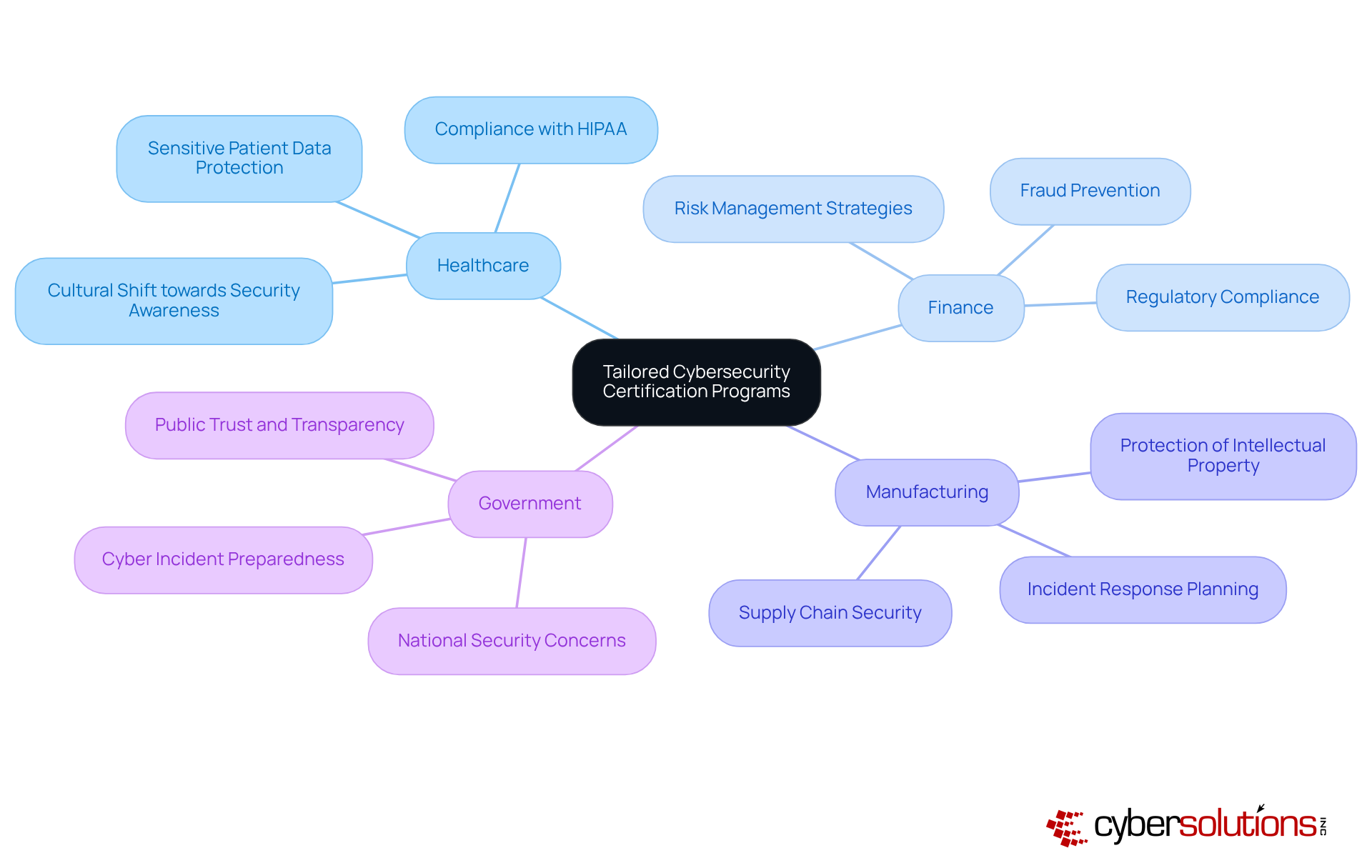
In today's digital landscape, cybersecurity is a critical component of operational integrity, especially in healthcare. With increasing threats targeting sensitive patient data, CFOs face unique challenges in managing security. Cyber Solutions Inc. recognizes these challenges and offers customized programs tailored to the specific needs of various sectors, including:
- Healthcare
- Finance
- Manufacturing
- Government
By conducting thorough assessments of each organization’s requirements, Cyber Solutions develops training paths that not only enhance security but also take into account the budget constraints. This tailored approach significantly improves outcomes, ultimately impacting the overall expenses, including the costs related to certification. Industry leaders emphasize that such customized training not only prepares teams for credentialing but also fosters a culture of security awareness. This cultural shift leads to improved compliance and reduced risk exposure.
Organizations that adopt tailored training pathways, combined with a layered strategy encompassing best practices, can expect enhanced results in both their security posture and resource management. Are you ready to elevate your organization’s cybersecurity training? Cyber Solutions Inc. is here to help you navigate these challenges effectively.
Certification Type: How Different Programs Affect Costs
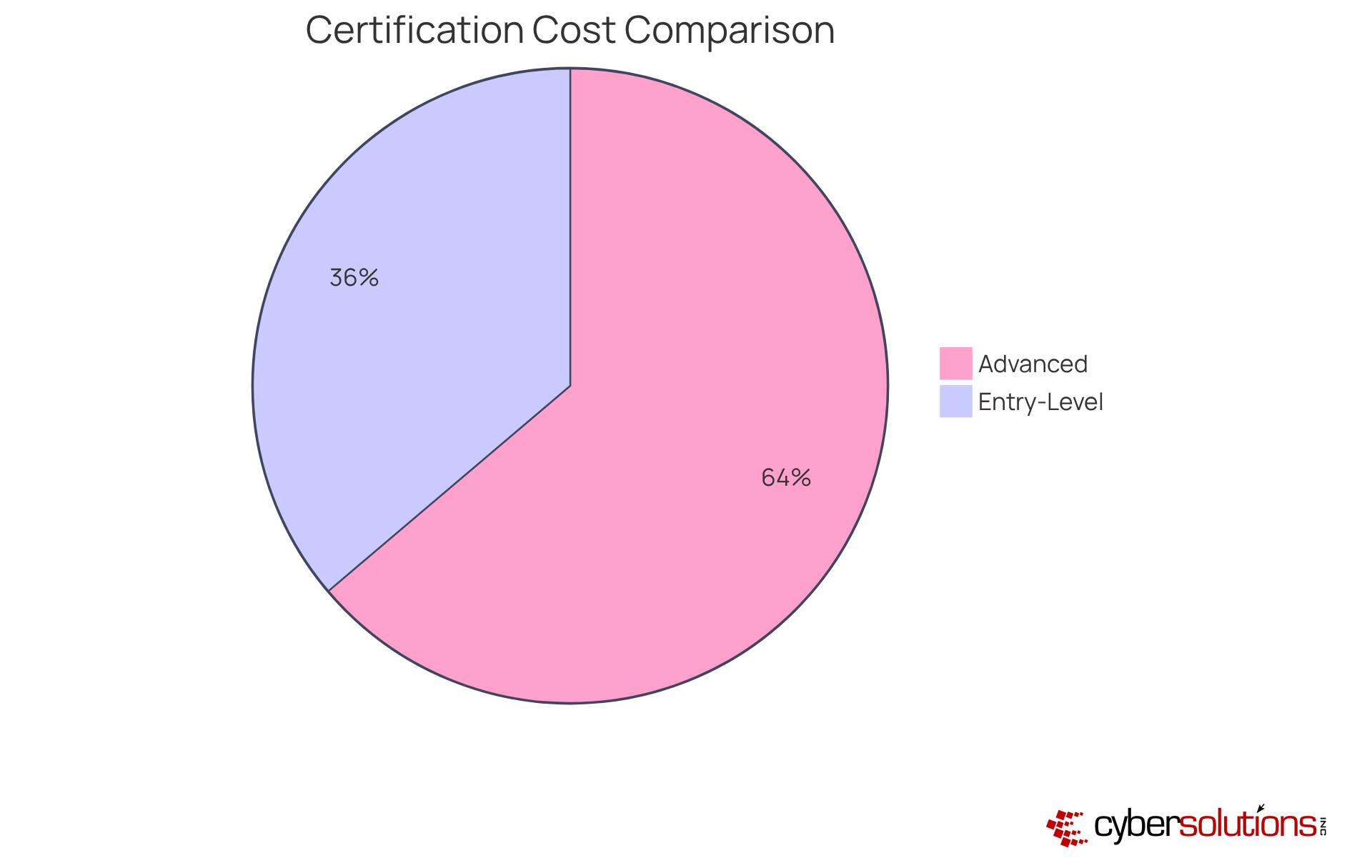
In today's digital landscape, the significance of cybersecurity cannot be overstated, especially for organizations aiming to protect sensitive information. The type of accreditation pursued is pivotal in determining the cost involved. The cost for entry-level credentials, such as CompTIA Security+, typically ranges from $370 to $450, making them an accessible option for professionals entering the field. Conversely, advanced qualifications like the Certified Information Systems Security Professional can reflect a significant investment, often exceeding $749, due to their complexity and the expertise required.
Organizations must carefully evaluate their needs and operational objectives when selecting credentials. The right choice can enhance their security posture while adhering to budget constraints. For instance, businesses seeking to bolster their cybersecurity defenses often opt for accreditations that align with industry standards. This ensures compliance and effectiveness.
Such a strategic approach not only addresses immediate security challenges but also positions organizations for long-term success in an increasingly regulated environment. Are you ready to invest in the right credentials to safeguard your organization’s future?
Industry Demand: The Influence of Sector-Specific Needs on Certification Pricing
The demand for cybersecurity expertise is especially high, especially in critical sectors like healthcare. With the increasing frequency of cyberattacks, healthcare organizations face challenges that require specialized expertise. For instance, protecting sensitive patient information and data security are paramount. Did you know that healthcare entities experience 2-3 times more cyberattacks than other sectors? This alarming statistic underscores the urgent need for cybersecurity professionals.
In the finance sector, the stakes are equally high. The need for cybersecurity drives the demand for certifications, which naturally affects the overall costs. Government organizations, too, must navigate a complex web of regulatory frameworks, further influencing the financial landscape of cybersecurity credentials. As leaders in these industries recognize the critical importance of compliance and security, they often assert that investment in cybersecurity is essential for mitigating risks and enhancing organizational resilience.
For example, this reality has prompted 75% of healthcare organizations to increase their IT budgets, focusing on security and infrastructure. Clearly, the acknowledgment of the need for robust protective measures is growing stronger in the industry.
In conclusion, as the cybersecurity landscape continues to evolve, the demand for specialized credentials will only intensify. Organizations must prioritize investing in these credentials to safeguard their operations and ensure compliance with regulatory standards.

Certification Level: Entry vs. Advanced and Their Cost Implications
Choosing between entry-level and advanced cybersecurity qualifications isn’t just a matter of preference; it has implications. Entry-level certifications, like CompTIA Security+, typically have a cost of around $400, making them an attractive option for newcomers eager to enter the field. However, advanced certifications, such as the Certified Information Systems Security Professional, have a price point that demands a larger investment, starting at approximately $749. This stark contrast in costs, particularly the advanced certifications, requires careful consideration, as organizations must balance immediate expenses against the long-term benefits of enhanced expertise and career growth.
Consider this: according to (ISC)², certified professionals can expect an increase in salary of 35% compared to their non-certified peers. This statistic underscores the value of investing in certification. To streamline budgeting for these certifications, organizations might explore a financing model, akin to those used in managed IT and security services. Such an approach can facilitate expense forecasting and ensure that training budgets are managed effectively, ultimately maximizing the return on investment in cybersecurity talent.

Geographical Location: Regional Variations in Certification Costs
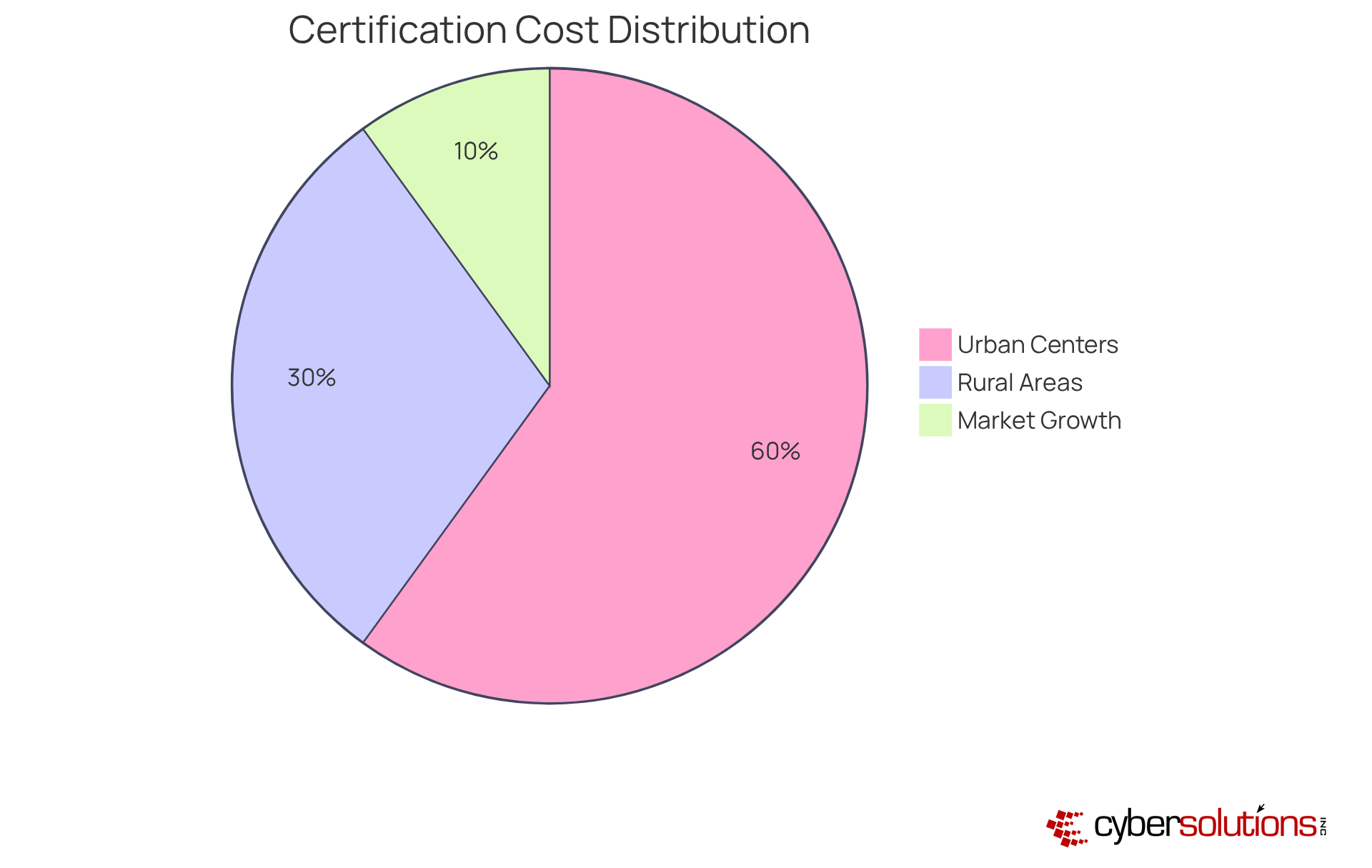
Certification expenses in cybersecurity are significantly influenced by geographical location. In high-demand areas, particularly large urban centers, the costs for qualifications can escalate due to fierce competition for skilled professionals and higher living expenses. For instance, certifications like CompTIA Security+ can range from $370 to $450 in these regions, underscoring the premium placed on cybersecurity training. Conversely, in areas with lower demand, such as rural or sparsely populated regions, certification costs tend to be more manageable, allowing organizations to budget more effectively for training initiatives.
The security credentialing market is projected to grow from USD 3.88 billion in 2025 to USD 7.50 billion by 2030, driven by escalating threats and the increasing need for certified experts. This growth is particularly notable in the Asia-Pacific region, which is experiencing a remarkable 15.7% CAGR due to rapid digitalization and a surge in cyberattacks. As organizations in these areas prioritize cybersecurity, the demand for qualifications rises, further driving up costs.
Experts advise that companies should carefully assess local market conditions when planning their budget for the certification process. While online courses are currently favored for their flexibility and cost-effectiveness, in-person training is gaining traction in regions where hands-on learning is preferred. This shift can also influence pricing, as in-person courses typically incur higher fees due to the resources involved.
Understanding the geographical nuances of certification costs is crucial for organizations aiming to invest wisely in their security personnel. By aligning their credentialing strategies with regional demand and pricing trends, companies can enhance their workforce while managing expenses effectively.
Training Delivery Method: Online vs. In-Person Costs
In today's digital landscape, the selection of a training method—whether online or in-person—has significant implications for the overall cost. Online courses present a budget-friendly alternative, with the prices typically ranging from $200 to $1,000. This affordability stems from the elimination of additional expenses like travel and accommodation, which are often necessary for in-person training sessions. Moreover, online training offers flexibility, allowing employees to learn at their own pace, which can enhance retention. Interactive tools such as quizzes, videos, and discussion forums further boost engagement and learning outcomes.
On the other hand, face-to-face training can incur substantial costs, particularly for organizations with teams dispersed across various locations. Scheduling challenges, driven by busy calendars and the need for multiple sessions, can inflate expenses. Therefore, it is crucial for organizations to evaluate their budget alongside their training needs. For example, companies that prioritize team collaboration may choose in-person training despite the higher costs, while those focused on cost efficiency might prefer online solutions.
Research shows that integrating online training with practical exercises, such as simulations, significantly enhances the learning experience. This blended approach not only improves knowledge retention but also equips employees to recognize and respond to real-world threats, ultimately strengthening the organization's security posture. As Gillian Loones aptly states, "Despite what many may think, cybersecurity and GDPR training online does not just provide the same lectures in an online environment." Understanding the costs and the benefits is essential for organizations as they navigate their options, ensuring decisions align with their strategic goals.
Additionally, the concept of microlearning—a proven method for enhancing knowledge retention—serves as a key advantage of online training, particularly for audiences focused on continuous improvement. By leveraging these insights, organizations can make informed choices that bolster their training effectiveness.

Certification Organization Reputation: How It Affects Pricing
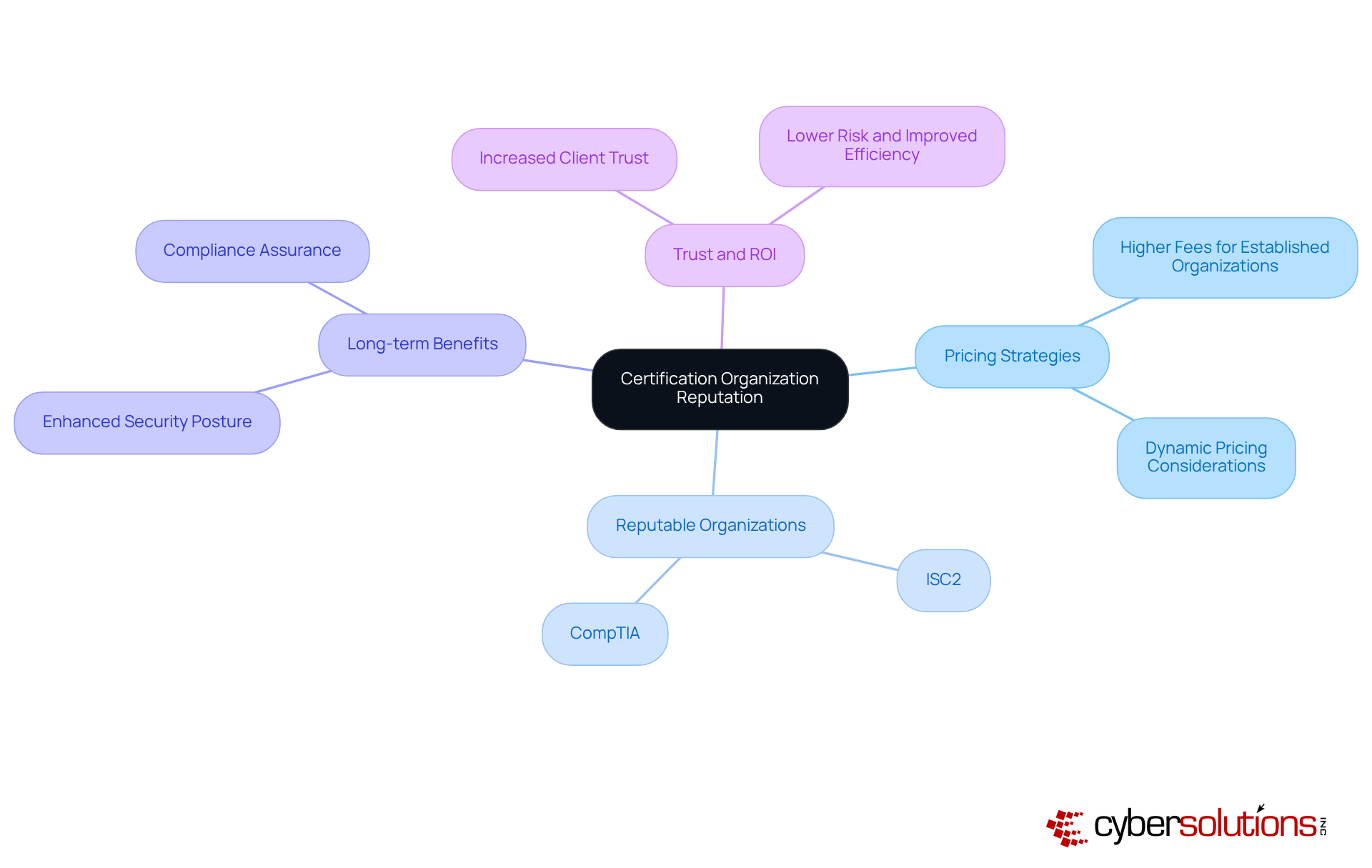
The standing of the accrediting body is pivotal in determining certification costs. Established organizations like ISC2 and CompTIA command higher fees, which reflects the credibility and perceived value of their credentials, particularly in relation to the job market. Investing in accreditations from these esteemed institutions often leads to career advancements, such as an increase in salary and job opportunities, which far outweigh the initial costs.
Consider this: credentials from reputable organizations can significantly bolster trust among clients and stakeholders, ultimately validating the investment made. Statistics reveal that organizations prioritizing certification enjoy a substantial return on investment, as these credentials are frequently associated with lower risk and improved performance.
Therefore, when evaluating credentialing options, organizations must weigh the reliability of the certifying body against the potential long-term benefits of their credentials, including the enhancement of professional reputation. This strategic consideration not only enhances their market position but also fortifies their competitive advantage.
Preparation Resources: The Cost of Study Materials and Support
Investing in preparation resources for cybersecurity qualifications is not just beneficial; it’s essential. With the increasing prevalence of cyber threats, organizations must prioritize their budget for critical items like:
- Textbooks
- Online courses
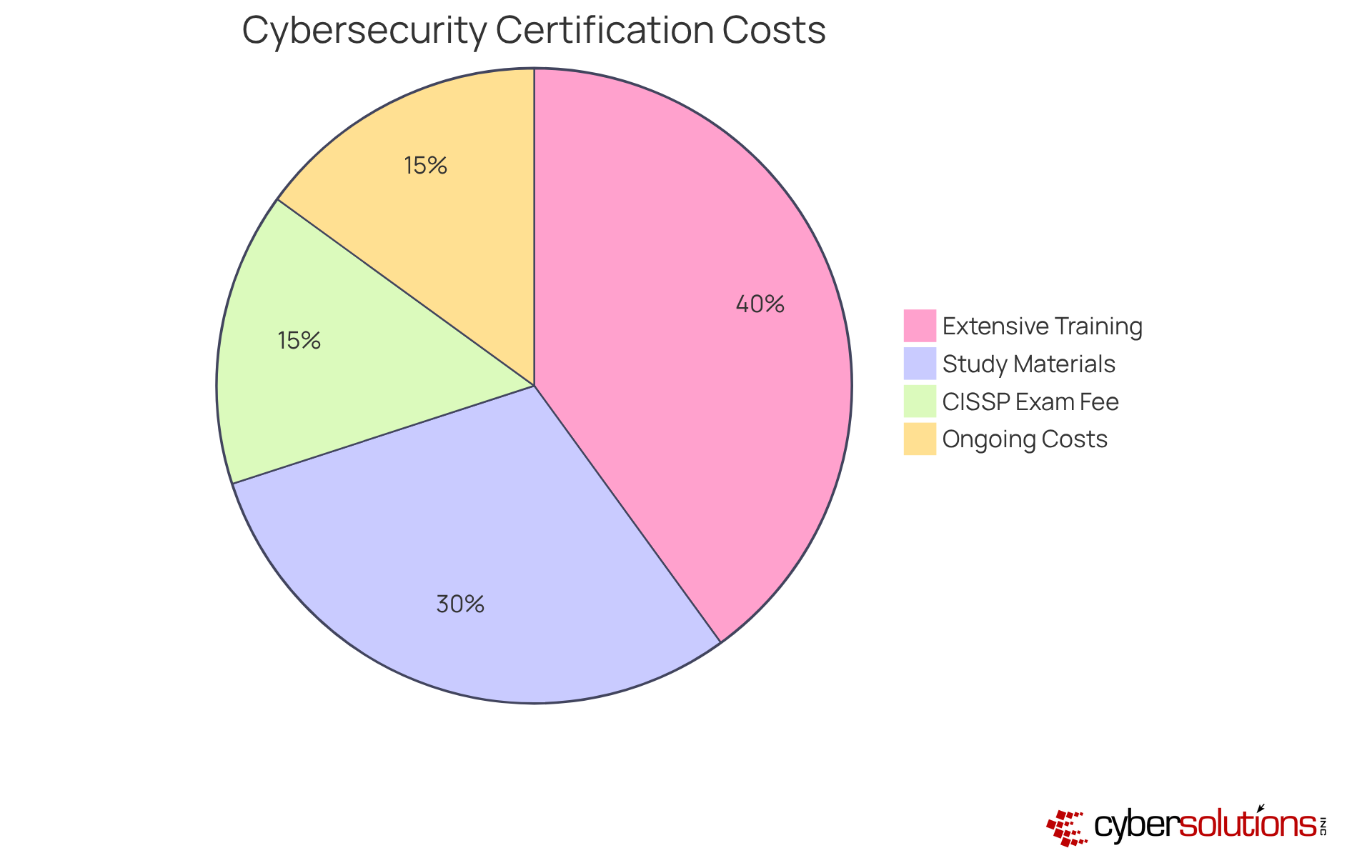
The costs can range from $50 to several hundred dollars, with study materials for certifications like CISSP typically costing between $150 and $500. The expenses can escalate to anywhere from $2,000 to $4,000 due to extensive training courses.
When evaluating the total costs, take into account the exam fee of approximately $699, in addition to preparation expenses that can range from $2,500 to $4,000. This represents a significant financial commitment. However, investing in preparation not only enhances the chances of passing the certification exam but also improves career prospects. Such strategic investments yield substantial long-term benefits, including improved job performance and increased earning potential, with CISSP holders averaging around $120,552 annually.
Organizations should explore options like:
- Discount vouchers
- Scholarships
to effectively manage these expenses. Additionally, it’s crucial to factor in ongoing costs, such as the renewal fee, which is $135, to fully understand the overall costs and the financial commitment involved. Ultimately, these investments are prudent for entities dedicated to strengthening their security personnel.
Maintenance Costs: Renewal Fees and Continuing Education Expenses
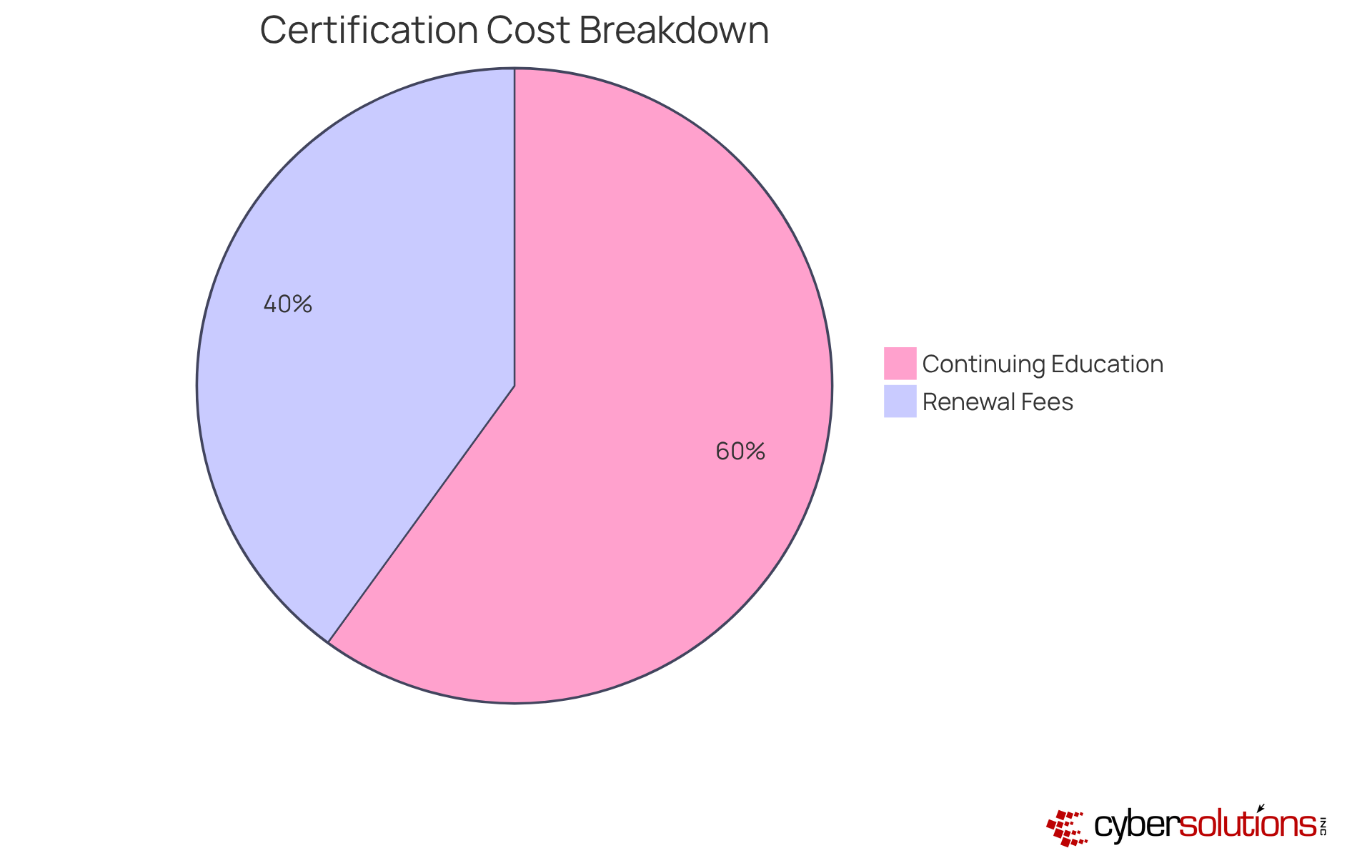
When it comes to cybersecurity, maintenance costs and ongoing education expenses are critical for organizations planning their budgets for certification. These qualifications often require renewal every few years, with fees typically ranging from $50 to $200. For instance, the annual maintenance fee for the certification stands at $135, while other credentials may have similar or varying costs.
Moreover, maintaining credential status frequently involves acquiring continuing education credits, which can further escalate overall expenses. The costs associated with cyber security certification can vary significantly, as many organizations allocate specific funds for these purposes. Companies might invest in workshops, online courses, or industry conferences to ensure their staff remains compliant and knowledgeable.
Expert insights suggest that these investments not only help sustain credentials but also enhance the reputation of the organization. Therefore, it is essential for businesses to factor in these ongoing expenses within their long-term financial strategies. By doing so, they can ensure they remain competitive and compliant in an ever-evolving digital landscape.
Employer Sponsorship: Financial Support for Certification Costs
Employer sponsorship plays a vital role in easing the financial burden of certification costs. Organizations increasingly recognize the value of investing in their workforce by providing financial support for professional development. This often encompasses coverage for exam costs, training fees, and essential study materials. Such strategic investments not only enhance employee skills but also bolster the organization's reputation and credibility.
Employer sponsorship significantly boosts a company's trustworthiness among clients and customers, which is essential in today's competitive landscape. For instance, firms that actively support employee training report a remarkable increase in productivity. Studies indicate that businesses offering extensive training experience:
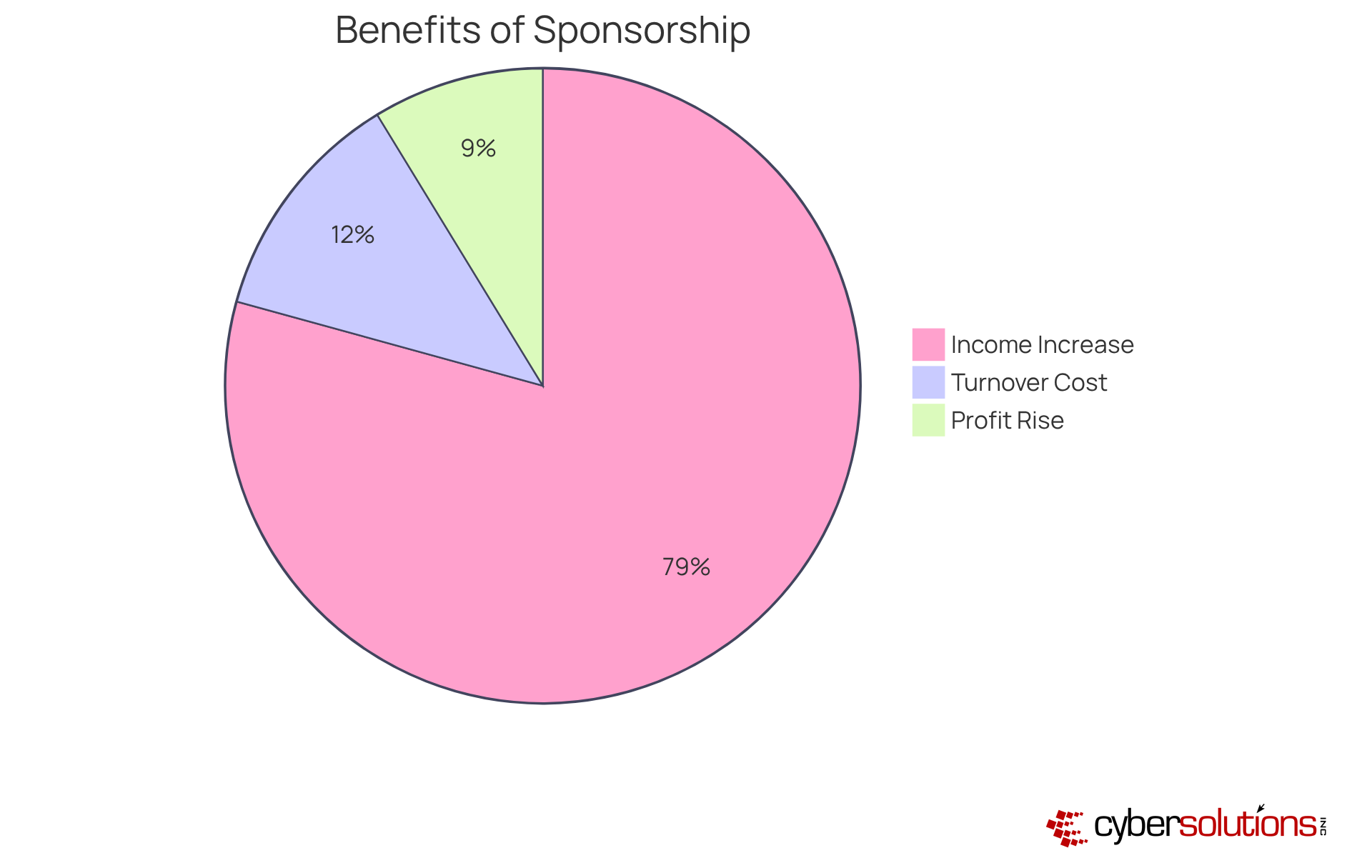
- 218% higher income per employee
- 24% rise in profit margins
Moreover, when employees feel backed in their professional growth, they are more likely to stay engaged and committed. This addresses a primary reason workers leave their jobs—career development—cited by 22% of employees. Consequently, this support reduces turnover costs, which can soar to 33% of an employee's annual salary.
Thus, in summary, employer sponsorship is crucial. It not only enhances organizational resilience against cyber threats but also expands the organization's network within its industry and related fields. By prioritizing employee development, organizations can secure their future while fostering a culture of continuous improvement.
Conclusion
Investing in cybersecurity certification is not just a financial decision; it’s a strategic imperative for organizations determined to protect their assets and ensure compliance in today’s complex digital landscape. The costs associated with cybersecurity certification are influenced by various factors, including:
- Certification type
- Industry demand
- Geographical location
- Training delivery methods
Understanding these elements is crucial for shaping an organization’s budget and planning effectively.
Key aspects highlighted throughout this discussion include:
- The stark differences in costs between entry-level and advanced certifications
- The impact of geographical variations
- The critical importance of preparation resources
Additionally, employer sponsorship emerges as a pivotal factor, alleviating financial burdens while enhancing workforce capabilities. These insights emphasize the necessity for organizations to adopt a tailored approach when investing in cybersecurity training, ensuring that their specific needs and budget constraints are met.
The significance of prioritizing cybersecurity certifications cannot be overstated. As cyber threats continue to evolve, organizations must proactively invest in their cybersecurity infrastructure and personnel. By grasping the multifaceted nature of certification costs and strategically aligning their training initiatives, businesses can bolster their security posture, foster a culture of continuous improvement, and secure long-term success against the backdrop of growing cyber threats.
Frequently Asked Questions
Why is cybersecurity important in today's digital landscape, particularly in healthcare?
Cybersecurity is critical for operational integrity, especially in healthcare, due to increasing threats targeting sensitive patient data. CFOs face unique challenges in safeguarding their organizations against these threats.
What types of sectors does Cyber Solutions Inc. offer tailored cybersecurity training programs for?
Cyber Solutions Inc. offers customized cybersecurity training programs for various sectors, including healthcare, finance, manufacturing, and government.
How does Cyber Solutions Inc. develop its cybersecurity training programs?
Cyber Solutions Inc. conducts thorough assessments of each organization’s requirements to create tailored training paths that enhance security and consider the costs associated with cybersecurity certification.
What are the financial implications of cybersecurity certification costs?
The cost of cybersecurity certification varies based on the type of accreditation. Entry-level credentials like CompTIA Security+ range from $370 to $450, while advanced qualifications like CISSP can exceed $749 due to their complexity and required expertise.
How should organizations select the right cybersecurity credentials?
Organizations must evaluate their security requirements and operational objectives when selecting credentials. Choosing the right accreditation can enhance security posture while adhering to budget constraints and ensuring compliance with industry standards.
What impact do sector-specific needs have on cybersecurity certification pricing?
Sector-specific needs significantly influence cybersecurity certification pricing. For example, healthcare organizations face unique challenges and experience 2-3 times more cyberattacks than other sectors, driving the demand for specialized credentials.
What are the consequences of inadequate cybersecurity measures in organizations?
The average cost of a data breach in healthcare ranges from $7.42 million to $9.8 million per incident, leading many organizations to increase their IT budgets focused on security and infrastructure.
Why is there a growing demand for specialized cybersecurity credentials?
As the cybersecurity landscape evolves and the frequency of cyberattacks increases, especially in critical sectors, the demand for specialized credentials is intensifying. Organizations must prioritize these credentials to safeguard operations and ensure regulatory compliance.
List of Sources
- Cyber Solutions Inc.: Tailored Cybersecurity Certification Programs
- prnewswire.com (https://prnewswire.com/news-releases/cybersecurity-certification-market-worth-8-033-5-million-by-2030---exclusive-report-by-marketsandmarkets-302328665.html)
- digitaldefynd.com (https://digitaldefynd.com/IQ/inspirational-cybersecurity-quotes)
- surtech.co.za (https://surtech.co.za/20-expert-quotes-on-cyber-risk-and-security)
- revival-holdings.com (https://revival-holdings.com/20-best-quotes-from-cyber-risk-leaders)
- deliberatedirections.com (https://deliberatedirections.com/cybersecurity-quotes)
- Certification Type: How Different Programs Affect Costs
- cyberkrafttraining.com (https://cyberkrafttraining.com/blog/how-much-does-the-comptia-security-certification-cost?srsltid=AfmBOorwpsKD8V1Ul9EJS6ubisGxWHfPrYkYF1xtk36HrppPNPNi9Yka)
- destcert.com (https://destcert.com/resources/security-plus-certification-cost)
- nucamp.co (https://nucamp.co/blog/coding-bootcamp-cybersecurity-what-are-the-costs-associated-with-cybersecurity-certifications)
- research.com (https://research.com/degrees/how-much-do-cybersecurity-certifications-cost)
- Industry Demand: The Influence of Sector-Specific Needs on Certification Pricing
- 115 Compliance Statistics You Need To Know in 2023 - Drata (https://drata.com/blog/compliance-statistics)
- comptia.org (https://comptia.org/en-us/resources/research/state-of-cybersecurity)
- censinet.com (https://censinet.com/perspectives/cybersecurity-spending-healthcare-vs-other-industries)
- 130+ Compliance Statistics & Trends to Know for 2026 (https://secureframe.com/blog/compliance-statistics)
- deliberatedirections.com (https://deliberatedirections.com/quotes-about-preventative-healthcare)
- Certification Level: Entry vs. Advanced and Their Cost Implications
- nucamp.co (https://nucamp.co/blog/coding-bootcamp-cybersecurity-what-are-the-costs-associated-with-cybersecurity-certifications)
- Geographical Location: Regional Variations in Certification Costs
- verifiedmarketresearch.com (https://verifiedmarketresearch.com/product/cybersecurity-certification-market)
- mordorintelligence.com (https://mordorintelligence.com/industry-reports/cybersecurity-certifications-market)
- research.com (https://research.com/degrees/how-much-do-cybersecurity-certifications-cost)
- Training Delivery Method: Online vs. In-Person Costs
- cyberpilot.io (https://cyberpilot.io/cyberpilot-blog/e-learning-vs-traditional-learning-for-awareness-training)
- Certification Organization Reputation: How It Affects Pricing
- link.springer.com (https://link.springer.com/article/10.1007/s10551-023-05438-5)
- blog.opinly.ai (https://blog.opinly.ai/inspirational-pricing-quotes)
- skillsoft.com (https://skillsoft.com/blog/top-paying-it-certifications)
- aimondo.com (https://aimondo.com/en/article/19-inspirational-quotes-about-pricing)
- Preparation Resources: The Cost of Study Materials and Support
- digitaldefynd.com (https://digitaldefynd.com/IQ/financial-planning-quotes)
- crucialexams.com (https://crucialexams.com/posts/blog/how-much-does-it-cost-to-get-certified-in-cyber-security?srsltid=AfmBOop-3qqmPmbiSnC7YleF5BI1bpAVK2OTAD9JvPiiJ903V2utAI1g)
- research.com (https://research.com/degrees/how-much-do-cybersecurity-certifications-cost)
- destcert.com (https://destcert.com/resources/cissp-vs-gslc)
- sprinto.com (https://sprinto.com/blog/grc-certifications)
- Maintenance Costs: Renewal Fees and Continuing Education Expenses
- passitexams.com (https://passitexams.com/articles/cissp-certification-cost)
- research.com (https://research.com/degrees/how-much-do-cybersecurity-certifications-cost)
- destcert.com (https://destcert.com/resources/ccsp-certification-renewal)
- cert.eccouncil.org (https://cert.eccouncil.org/continuing-education-fees.html)
- stationx.net (https://stationx.net/cyber-security-certifications-cost)
- Employer Sponsorship: Financial Support for Certification Costs
- infosecinstitute.com (https://infosecinstitute.com/resources/professional-development/5-benefits-of-paying-for-an-employees-professional-certification)