Introduction
In an age where cyber threats loom larger than ever, healthcare organizations find themselves at a critical juncture regarding data security and operational resilience. The financial ramifications of data loss can be staggering, making it imperative for CFOs to master effective recovery and backup strategies. This article delves into essential practices that not only ensure compliance with regulations like HIPAA but also safeguard sensitive patient information. How can healthcare leaders navigate the complex landscape of backup solutions to protect their institutions from devastating breaches and maintain trust in their services?
Define Backup and Recovery in Healthcare
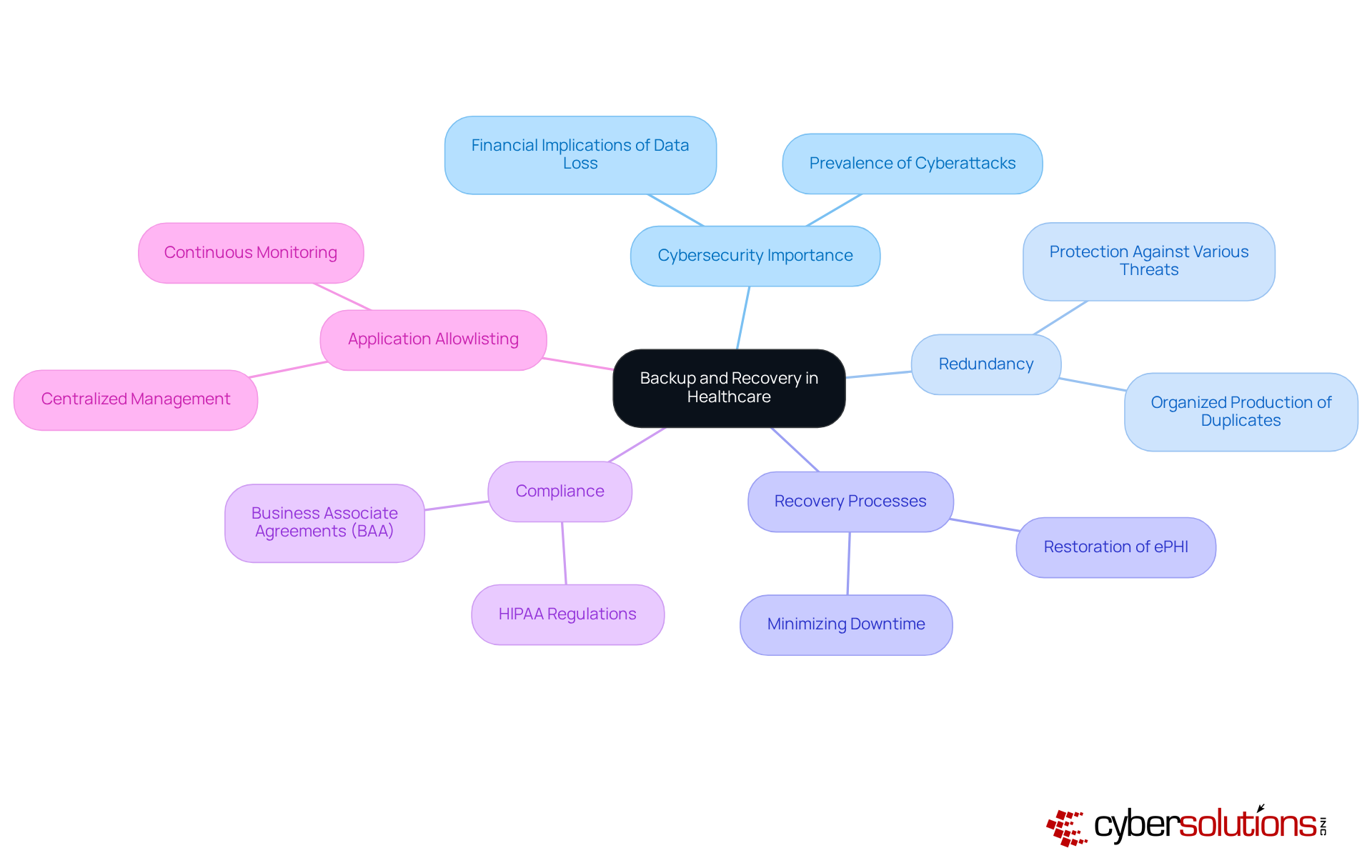
In today's healthcare landscape, the importance of cybersecurity cannot be overstated. With over 90% of healthcare organizations experiencing a data breach, the costs are staggering. Redundancy, defined as the organized production of duplicates of critical data, is crucial for recovery and backup against loss from various threats, including cyberattacks, equipment malfunctions, and natural disasters. Recovery ensures that this information can be reinstated, allowing medical operations to continue smoothly following an incident.
Efficient backup strategies are essential for upholding the integrity of patient records and ensuring compliance. For CFOs, investing in robust backup solutions is not just about compliance; it is a vital component of operational resilience. Organizations that implement comprehensive recovery plans can swiftly restore electronic Protected Health Information (ePHI) after a breach, minimizing downtime and maintaining trust with patients and stakeholders.
By prioritizing these strategies—such as regular validation of information protection protocols and periodic testing of recovery and backup processes—healthcare CFOs can safeguard their organizations from the costly consequences of information loss while ensuring regulatory compliance. Furthermore, incorporating cybersecurity measures into a broader cybersecurity strategy significantly enhances data protection by preventing unauthorized applications from executing, thereby safeguarding sensitive information. Key features of these measures include:
- Continuous monitoring of application activity
- Centralized management of allowlists
These features assist entities in maintaining strict control over software usage.
Establishing a Business Associate Agreement (BAA) with any third-party service provider managing ePHI storage is crucial for adherence to HIPAA regulations. Cyber Solutions offers customized IT services tailored to meet the specific requirements of healthcare entities, ensuring strong data protection that conform to industry standards. By taking decisive action now, healthcare organizations can mitigate risks effectively.
Identify Types of Backup Strategies for Healthcare
In the rapidly evolving landscape of healthcare, the importance of robust cybersecurity measures cannot be overstated. Healthcare organizations face unique challenges that demand a comprehensive understanding of recovery and backup strategies to protect sensitive information. Implementing these strategies is not just a technical necessity; it is a critical aspect of maintaining operational integrity and protecting patient data.
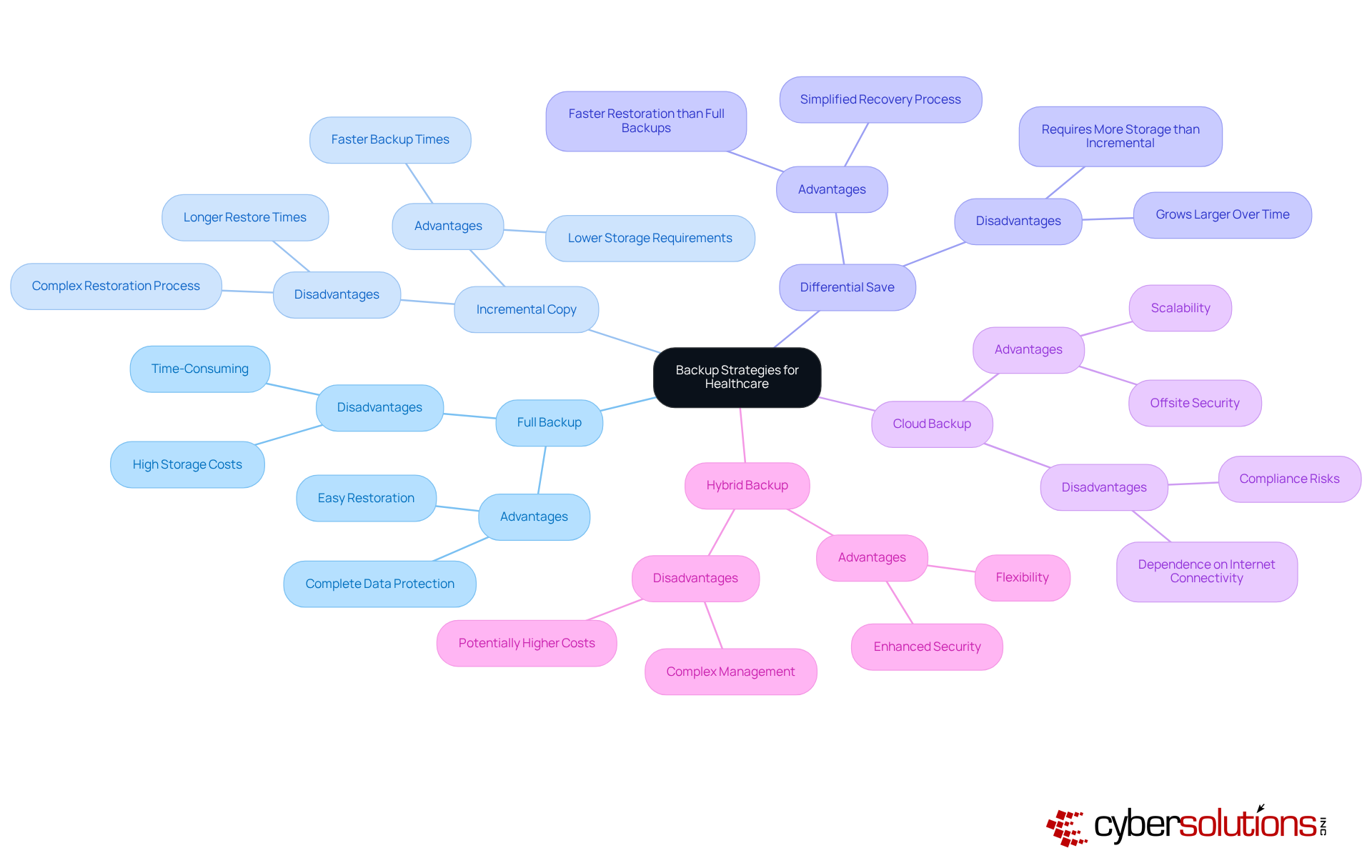
- Full Backup: This method creates a complete copy of all information at a specific point in time. While it offers comprehensive protection, it can be time-consuming and resource-intensive, often requiring significant storage space. Complete copies are especially advantageous for essential systems requiring quick restoration, guaranteeing that all information is easily reachable in the event of loss. However, regular complete data copies can lead to increased storage expenses and affect system performance.
- Incremental Backup: This approach saves only the information that has altered since the previous copy, significantly decreasing both storage requirements and copy duration. Incremental backups are effective for organizations producing substantial quantities of information each day, as they reduce the effect on system performance and enable faster saving procedures. However, restoring data from incremental copies can be complex, requiring the last full copy and all subsequent increments, which may lead to longer restore times.
- Differential Save: Comparable to incremental backups, differential saves record modifications made since the most recent full save. This method enables faster recovery than complete data saves while needing more space than incremental backups. Differential saves streamline the restoration procedure, as only the most recent full and last differential save are required, making them a versatile choice for medical institutions. However, they can grow larger over time, requiring careful management.
- Cloud Backup: Employing cloud backup offers offsite security and scalability, rendering it a favored option for medical facilities. Cloud storage improves data security and accessibility, ensuring that essential information is safeguarded from local disasters. However, entities must ensure that their cloud provider adheres to healthcare regulations to avoid potential fines.
- Hybrid Backup: This approach combines on-premises and cloud backups, offering flexibility and enhanced security. Hybrid solutions enable companies to retain control over sensitive information while utilizing the scalability of cloud storage. This strategy can assist in the recovery and backup processes, thereby reducing risks linked to information breaches, which were particularly high in 2024, making it the worst year on record for medical information breaches.
In addition to these strategies, having a dedicated recovery team available within 24 hours can significantly enhance recovery efforts. A layered strategy—including endpoint isolation, malware removal, and user training—facilitates a quicker and more thorough recovery, ensuring that healthcare entities can react effectively to potential threats. This combination of swift recovery efforts with strong recovery strategies is essential for reducing harm and maintaining information integrity.
By grasping these strategies, CFOs can make knowledgeable choices regarding which approaches correspond with their financial and operational objectives, ultimately enhancing their institutions' information protection as well as recovery and backup capabilities. Considering that the typical expense of medical information breaches is $9.77 million and that 43% of all security incidents in the medical sector are caused by unintentional human mistakes, it is crucial to establish strong backup practices. As highlighted by HealthITSecurity, establishing a personalized backup strategy designed to meet the particular requirements of healthcare entities is essential for efficient information management.
Ensure Compliance with Regulatory Standards in Backup Practices
In today's healthcare landscape, the imperative for robust backup and recovery strategies cannot be overstated. With the rise in cyber threats, healthcare entities are mandated to comply with various regulations, notably HIPAA, which requires the protection of patient information. To effectively navigate these challenges and safeguard sensitive data, organizations should adopt the following best practices:
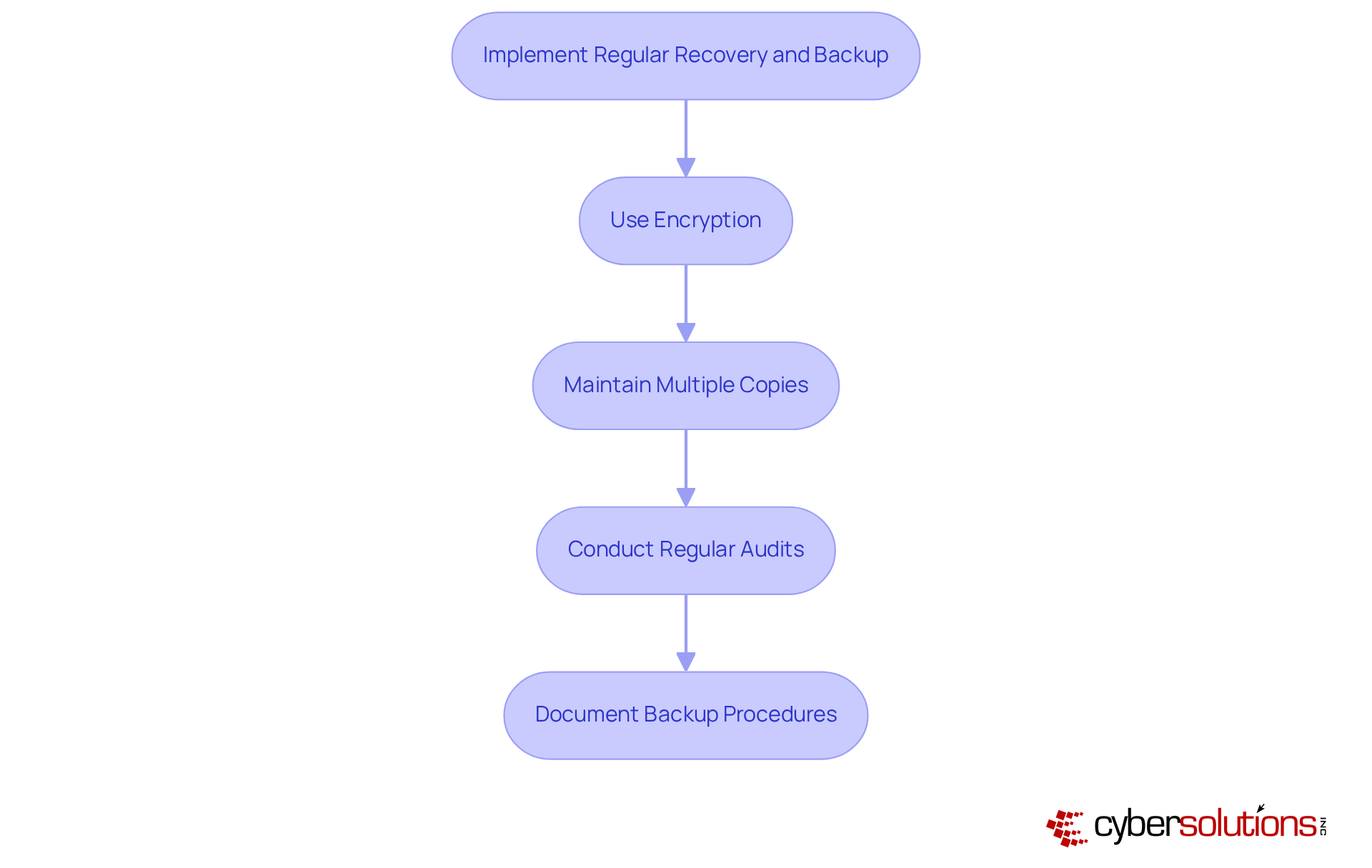
- Implement a Backup Schedule: Establish a routine schedule for recovery and backup to ensure that information is consistently protected against loss or corruption.
- Use Encryption: Encrypt all backed-up information to protect against unauthorized access, both during transmission and while at rest. This is vital, as encryption greatly minimizes the risk of breaches, which impacted over 259 million healthcare records in 2024 alone. Advanced encryption methods, along with multi-factor authentication (MFA) and access control measures, are essential for protecting PHI and ensuring data security.
- Maintain Multiple Copies: Follow the 3-2-1 guideline: retain three copies of information on two distinct media types, with one copy kept offsite. This strategy enhances data resilience along with recovery and backup options in case of a disaster. Regular testing of recovery and backup systems is also essential, as it ensures they function as intended, although it does not specify a frequency.
- Conduct Regular Audits: Frequently examine compliance and adherence to regulations to detect and correct any deficiencies. Regulated entities must take steps to maintain adherence to HIPAA standards, which is vital for ensuring ongoing security and compliance. Expert guidance and audit support can assist entities in navigating these requirements effectively.
- Document Backup Processes: Maintain thorough documentation of backup processes and compliance measures to demonstrate adherence during audits. This documentation is vital for compliance verification and can help mitigate potential penalties associated with HIPAA violations. Furthermore, entities should prioritize yearly training for all staff on HIPAA compliance and cybersecurity to cultivate a security-aware workforce.
By incorporating these practices, CFOs can effectively reduce risks related to non-compliance and improve their organization's overall security stance, ensuring the safeguarding of sensitive patient information. For further insights on common questions regarding HIPAA compliance and cybersecurity, please refer to our FAQs section, which addresses key concerns and provides additional guidance.
Implement Best Practices for Disaster Recovery Planning
In the face of increasing threats, developing an effective strategy is paramount for healthcare CFOs. To ensure organizational resilience, they should consider the following best practices:
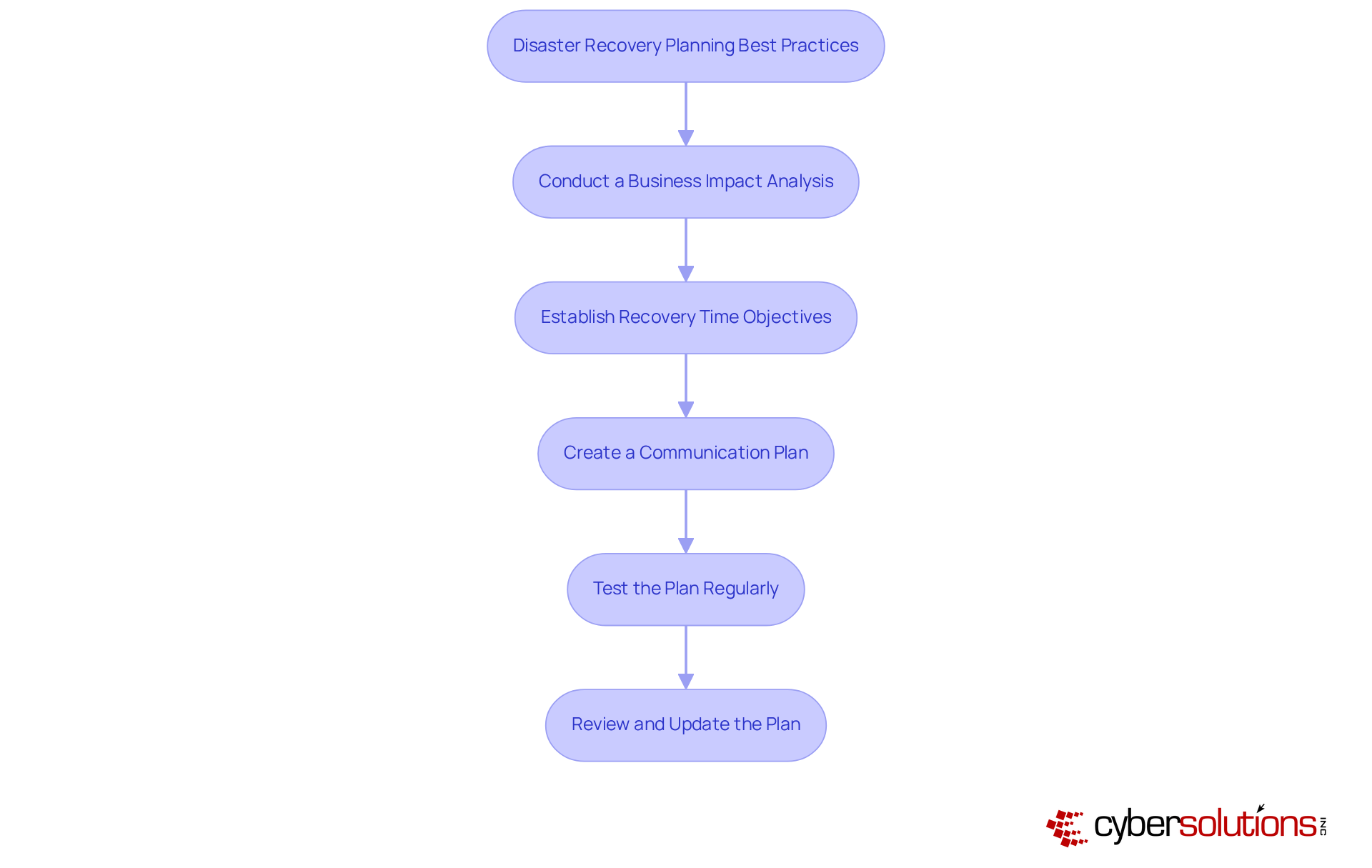
- Conduct a Business Impact Analysis: This critical step identifies essential systems and information, assessing the potential impact of disruptions on operations and finances. Research indicates that over 40% of businesses never reopen after a major data loss, underscoring the necessity of a thorough BIA to mitigate risks.
- Establish Recovery Time Objectives: Defining acceptable downtime for each critical system allows CFOs to prioritize recovery efforts effectively. Average RTOs in healthcare can vary, but minimizing downtime is essential to avoid disruptions in patient care, which can have life-threatening consequences.
- Create a Communication Plan: A clear communication strategy is vital for informing stakeholders during a disaster, ensuring everyone understands their roles and responsibilities. Effective communication significantly reduces confusion and enhances response times during emergencies.
- Test the Plan Regularly: Conducting regular drills and simulations tests the disaster recovery plan. This ongoing testing enables organizations to identify weaknesses and make necessary adjustments, ensuring readiness for actual emergencies.
- Review and Update the Plan: Regular reviews and updates of the disaster recovery plan are crucial to reflect changes in technology, operations, and regulatory requirements. Continuous improvement is key to maintaining an effective strategy that aligns with evolving threats and challenges.
By implementing these best practices, CFOs can significantly enhance their organization’s resilience against disruptions, ensuring that patient safety and operational integrity remain intact.
Conclusion
In the healthcare sector, establishing effective recovery and backup strategies is vital for safeguarding sensitive patient information and ensuring operational resilience. As cyber threats continue to escalate, healthcare CFOs must prioritize robust data protection measures to not only comply with regulations like HIPAA but also to maintain trust with patients and stakeholders. The implementation of comprehensive backup solutions is essential for minimizing downtime and facilitating swift recovery in the event of data loss.
The article highlights various backup strategies, including:
- Full backups
- Incremental backups
- Differential backups
- Cloud backups
- Hybrid backups
Each with its unique advantages and considerations. It emphasizes the significance of regular testing, encryption, and maintaining multiple copies of data to enhance resilience against potential breaches. Moreover, the necessity of a well-structured disaster recovery plan, supported by a thorough Business Impact Analysis and clear communication strategies, cannot be overstated. These practices collectively contribute to a proactive approach in managing risks associated with data loss and ensuring compliance with regulatory standards.
Ultimately, the implementation of these best practices not only fortifies healthcare organizations against cyber threats but also reinforces the integrity of patient care. By taking decisive action now, healthcare CFOs can create a secure environment that prioritizes data protection, operational continuity, and regulatory compliance. The time to act is now—investing in robust recovery and backup strategies is not just a necessity; it is a critical investment in the future of healthcare operations.
Frequently Asked Questions
What is the significance of backup and recovery in healthcare?
Backup and recovery are vital in healthcare to protect against data loss from cyberattacks, equipment malfunctions, and natural disasters, ensuring that medical operations can continue smoothly after an incident.
What role does redundancy play in data protection?
Redundancy involves creating organized duplicates of essential information, which is crucial for recovery and backup, helping to mitigate the impact of data loss.
Why is compliance with regulations like HIPAA important for healthcare organizations?
Compliance with regulations such as HIPAA is essential for upholding the integrity of patient records and avoiding potential legal and financial repercussions associated with data breaches.
How can healthcare CFOs benefit from investing in recovery and backup solutions?
Investing in robust recovery and backup solutions helps CFOs ensure operational resilience, allowing organizations to swiftly restore electronic Protected Health Information (ePHI) after a breach, minimizing downtime and maintaining trust with patients and stakeholders.
What strategies can healthcare organizations implement to safeguard against information loss?
Strategies include regular validation of information protection protocols, periodic testing of recovery and backup processes, and incorporating application allowlisting into a broader cybersecurity strategy.
What are the key features of application allowlisting?
Key features of application allowlisting include continuous monitoring of application activity and centralized management of allowlists, which help maintain strict control over software usage.
Why is it important to establish a Business Associate Agreement (BAA) with third-party service providers?
Establishing a BAA with third-party service providers is crucial for adherence to HIPAA regulations, ensuring that ePHI storage is managed in compliance with industry standards.
How can Cyber Solutions assist healthcare organizations?
Cyber Solutions offers customized IT services tailored to the specific requirements of healthcare entities, providing strong recovery and backup solutions that conform to industry standards.
List of Sources
- Define Backup and Recovery in Healthcare
- rewind.com (https://rewind.com/blog/the-importance-of-data-backups-for-hipaa-compliance)
- n2ws.com (https://n2ws.com/blog/2025-hipaa-update)
- hipaajournal.com (https://hipaajournal.com/august-2025-healthcare-data-breach-report)
- hipaajournal.com (https://hipaajournal.com/new-hipaa-regulations)
- Identify Types of Backup Strategies for Healthcare
- integrilogic.com (https://integrilogic.com/blog/choosing-the-right-backup-strategy-full-incremental-and-differential-backups-explained)
- healthcareresolutionservices.com (https://healthcareresolutionservices.com/blog/what-data-backup-strategies-work-best-for-healthcare)
- spin.ai (https://spin.ai/blog/effective-strategies-for-data-backup-recovery-in-healthcare)
- stonefly.com (https://stonefly.com/resources/understanding-full-differential-incremental-synthetic-full-backups)
- ninjaone.com (https://ninjaone.com/blog/types-of-backups-full-incremental-differential)
- Ensure Compliance with Regulatory Standards in Backup Practices
- rectanglehealth.com (https://rectanglehealth.com/resources/blogs/complete-hipaa-compiance-checklist-2025)
- safepointit.com (https://safepointit.com/hipaa-data-backup-requirements-how-to-build-a-compliant-and-secure-strategy-for-healthcare-data)
- HIPAA Updates and HIPAA Changes in 2026 (https://hipaajournal.com/hipaa-updates-hipaa-changes)
- hipaajournal.com (https://hipaajournal.com/2024-healthcare-data-breach-report)
- hhs.gov (https://hhs.gov/hipaa/for-professionals/security/hipaa-security-rule-nprm/factsheet)
- Implement Best Practices for Disaster Recovery Planning
- censinet.com (https://censinet.com/perspectives/top-7-cloud-disaster-recovery-tools-for-healthcare)
- otava.com (https://otava.com/blog/disaster-recovery-essentials-how-healthcare-facilities-can-protect-patient-data)
- healthtechmagazine.net (https://healthtechmagazine.net/article/2025/09/key-elements-business-continuity-and-disaster-recovery-healthcare)
- straightedgetech.com (https://straightedgetech.com/blog/managed-it-services-partnering-in-healthcare-disaster-recovery-plans)
- i-techsupport.com (https://i-techsupport.com/why-healthcare-needs-a-disaster-recovery-plan?srsltid=AfmBOoo7opAUcYEu-EDJTfCJzNdQDrMQKg67n1bQ7mE-FprKXuV5AmIy)