
Introduction
The rise of hybrid work models has fundamentally transformed organizational operations, but it has also ushered in a wave of cyber threats. As businesses navigate this intricate landscape, the urgency for effective hybrid work security strategies cannot be overstated. This article explores ten essential strategies that not only bolster cybersecurity but also empower organizations to excel in a digital-first environment.
How can companies protect their sensitive data and uphold trust with stakeholders amid these evolving challenges? The answers lie in embracing proactive measures that provide robust defenses against the ever-expanding spectrum of cyber risks.
Cyber Solutions Inc.: Comprehensive Cybersecurity for Hybrid Work Environments
In today's digital landscape, the importance of robust cybersecurity cannot be overstated. As organizations adapt to hybrid work environments, the need for comprehensive cybersecurity solutions has surged. Cyber Solutions Inc. excels in delivering these essential services, offering a comprehensive suite that includes:
- Managed IT support
These offerings are crucial for organizations navigating the complexities of hybrid work.
The alarming rise in cyber threats, marked by a staggering increase in data breaches, underscores the importance of hybrid work security. This reality underscores the necessity for strong cybersecurity measures. By leveraging advanced technologies and expert insights, Cyber Solutions empowers businesses to maintain operational efficiency while safeguarding sensitive information.
Their key services, such as:
- Threat detection
- Data backup solutions
- User training
not only enhance security but also cultivate a culture of vigilance among employees. This approach significantly reduces the risk of incidents. In fact, organizations investing in cybersecurity training see improved outcomes, highlighting the critical role of proactive measures in today’s digital environment.
As leaders prioritize cybersecurity, Cyber Solutions emerges as a trusted partner, ensuring that businesses can thrive securely in an ever-evolving landscape. "Cyber Solutions aims to protect their assets and maintain trust in a digital-first world," emphasizes a leading cybersecurity expert.

Implement Endpoint Protection: Safeguard Devices in Hybrid Work
Implementing endpoint protection is not just important; it’s essential for organizations and securing devices in today’s hybrid work environments. With the rise of remote work, organizations face unprecedented challenges that demand immediate attention. In fact, by 2025, 85% of Americans will recognize the necessity of cybersecurity, yet many still operate without it. This gap between awareness and action underscores a critical vulnerability that organizations cannot afford to ignore.
Endpoint protections are vital. They equip devices with the latest security measures, significantly reducing vulnerabilities that cybercriminals may exploit. Cybersecurity specialists advocate for a proactive approach, emphasizing the importance of training employees to tackle potential risks. How prepared is your organization to respond to these threats?
Successful case studies reveal that entities employing endpoint protection have significantly mitigated risks associated with cybersecurity for remote work devices. By ensuring a robust security framework, these organizations not only protect their assets but also foster trust among their stakeholders. It’s time to take action and prioritize cybersecurity measures to safeguard your organization’s future.

Utilize Threat Detection: Identify Risks in Real-Time
Advanced risk detection systems are essential for organizations aiming to recognize dangers in real-time. These systems leverage technology to pinpoint anomalies and threats, enabling swift responses that mitigate risks. This capability ensures that suspicious activities are detected and addressed before they escalate into serious issues, protecting companies from ransomware, phishing, and other cyber threats.
Moreover, regularly reviewing security protocols helps businesses stay ahead of emerging threats, ensuring their defenses remain robust and up-to-date. The presence of a rapid response team, available within 24 hours, is crucial for minimizing damage. This approach includes:
- Endpoint isolation
- Malware removal
This facilitates a quicker and more comprehensive recovery.
In today's landscape, where cyber threats are ever-evolving, organizations must prioritize security measures to protect their operations and maintain trust with stakeholders.
Establish Compliance Protocols: Navigate Regulatory Requirements
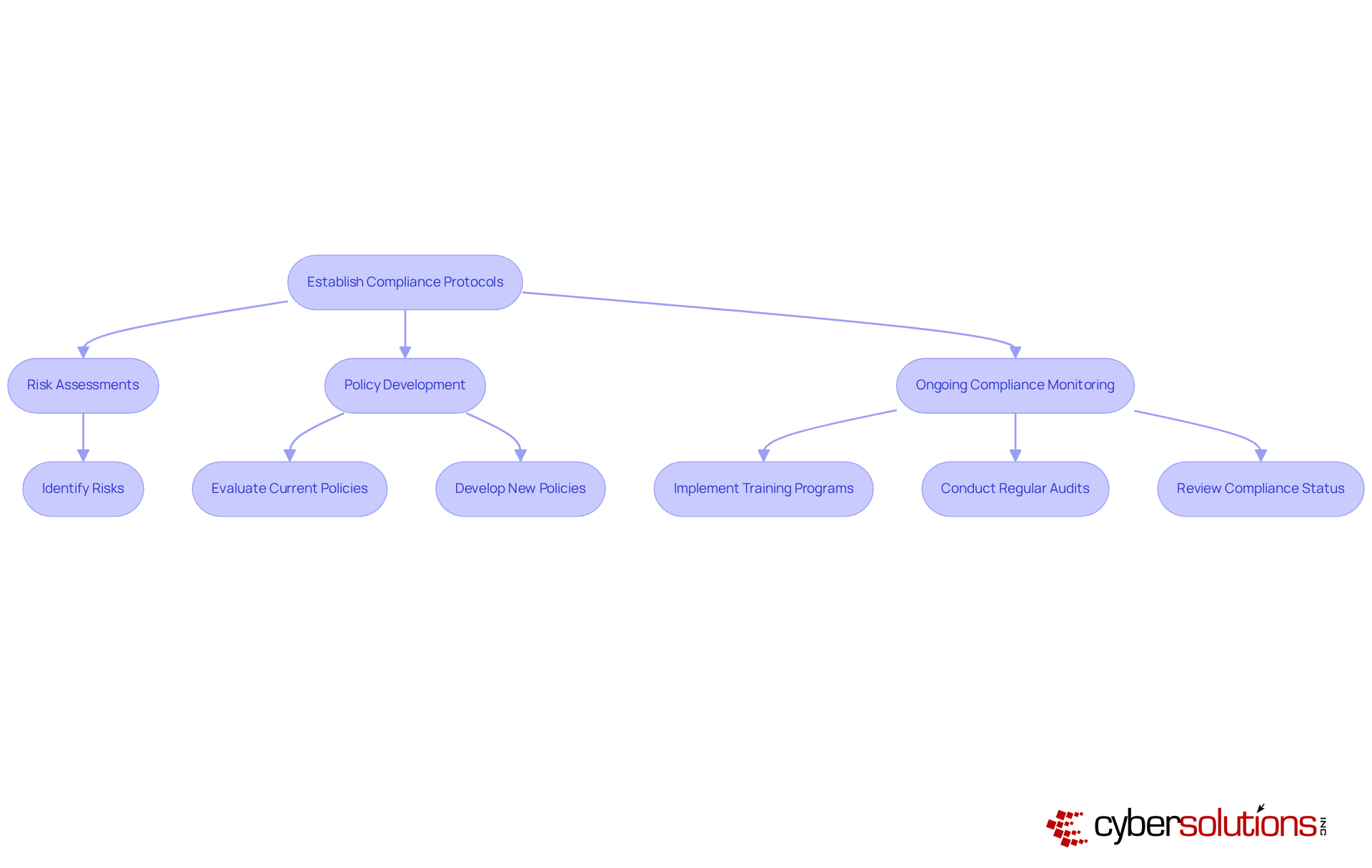
Establishing compliance protocols is crucial for navigating the complex landscape of hybrid work environments. Organizations must implement policies that align with essential regulations such as HIPAA, PCI DSS, and GDPR. With Cyber Solutions' expertise, this process becomes streamlined, offering comprehensive solutions that include:
- Risk assessments
- Policy development
Routine audits and evaluations, supported by our CaaS offerings, not only ensure adherence to these standards but also significantly reduce the risk of penalties, enhancing the organization's reputation. Have you considered how compliance impacts your operations? Furthermore, our services play a vital role in mitigating the effects of security threats. They empower organizations to swiftly identify, contain, and alleviate risks, all while maintaining business continuity.
In today’s digital age, the stakes are high. Organizations that prioritize compliance and cybersecurity while implementing best practices not only protect themselves but also build trust with their stakeholders. Don’t leave your organization vulnerable - partner with Cyber Solutions to navigate these challenges effectively.
Conduct Cybersecurity Training: Empower Employees Against Threats
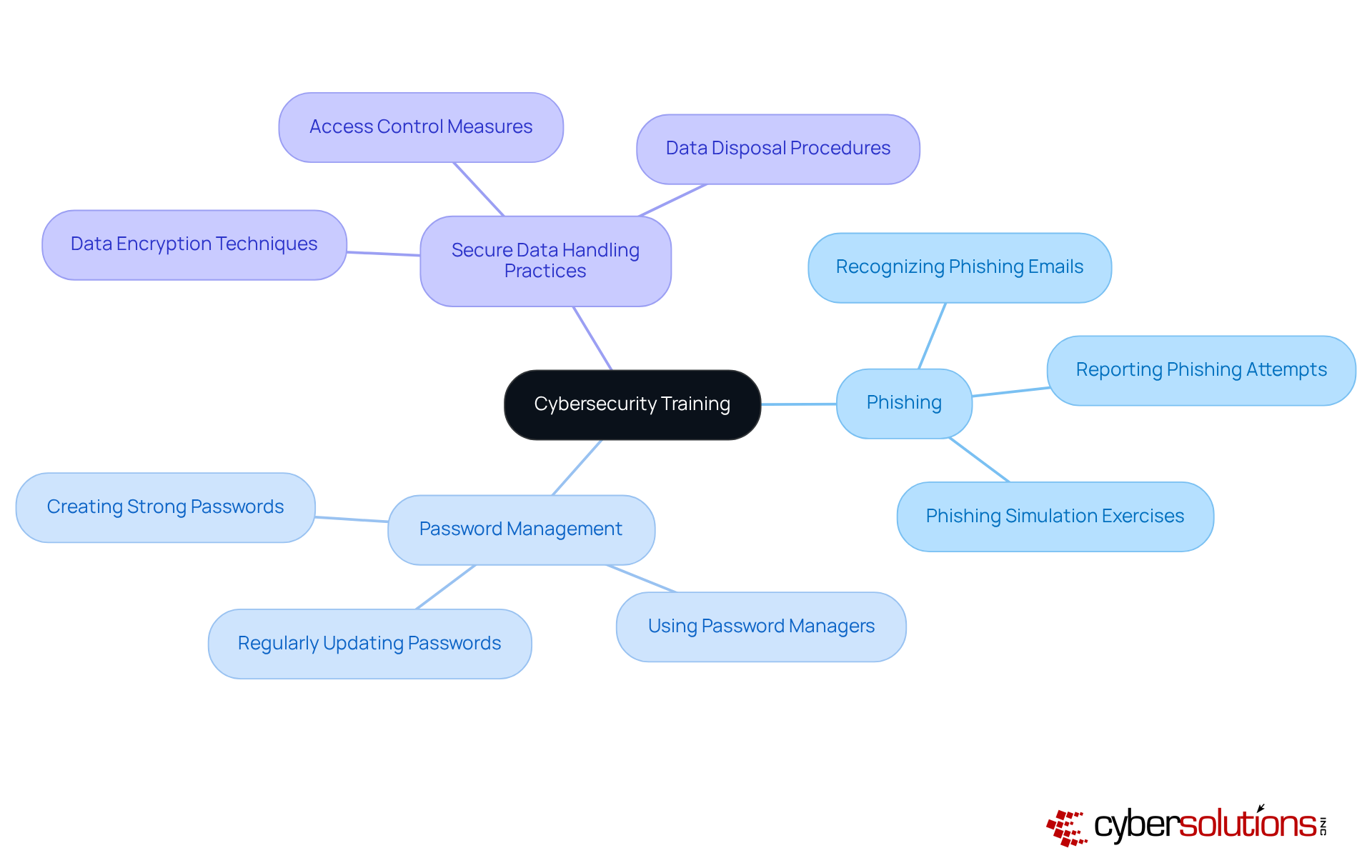
In today's digital landscape, the importance of cybersecurity cannot be overstated. Conducting regular training sessions is essential for empowering employees to recognize and respond to potential threats. Topics such as:
- Phishing
are crucial components of this training. By fostering a culture of awareness regarding cybersecurity, healthcare organizations can significantly reduce the likelihood of data breaches.
Consider this: how prepared is your team to handle a security incident? The unique challenges faced by CFOs in healthcare demand a proactive approach. By investing in comprehensive training, organizations not only protect sensitive data but also build a resilient workforce capable of navigating the complexities of modern threats.
Ultimately, promoting a culture of cybersecurity is not just a best practice; it's a necessity. The stakes are high, and the consequences of inaction can be devastating. Equip your employees with the knowledge they need to defend against potential breaches.
Implement Multi-Factor Authentication: Strengthen Access Controls
Implementing multi-factor authentication is not just a recommendation; it’s a necessity for strengthening access controls in today’s work environments. By requiring users to present two or more verification factors, MFA significantly reduces the risk of unauthorized access. Experts assert that MFA not only bolsters security but also cultivates a culture of accountability among users.
Consider this: over 99.9% of compromised accounts lack protection, according to Microsoft. This statistic underscores the importance of implementing measures in preventing unauthorized access. Security experts emphasize the need for robust solutions. In fact, 95% of employees using MFA do so via software, adding an essential layer of protection against potential breaches.
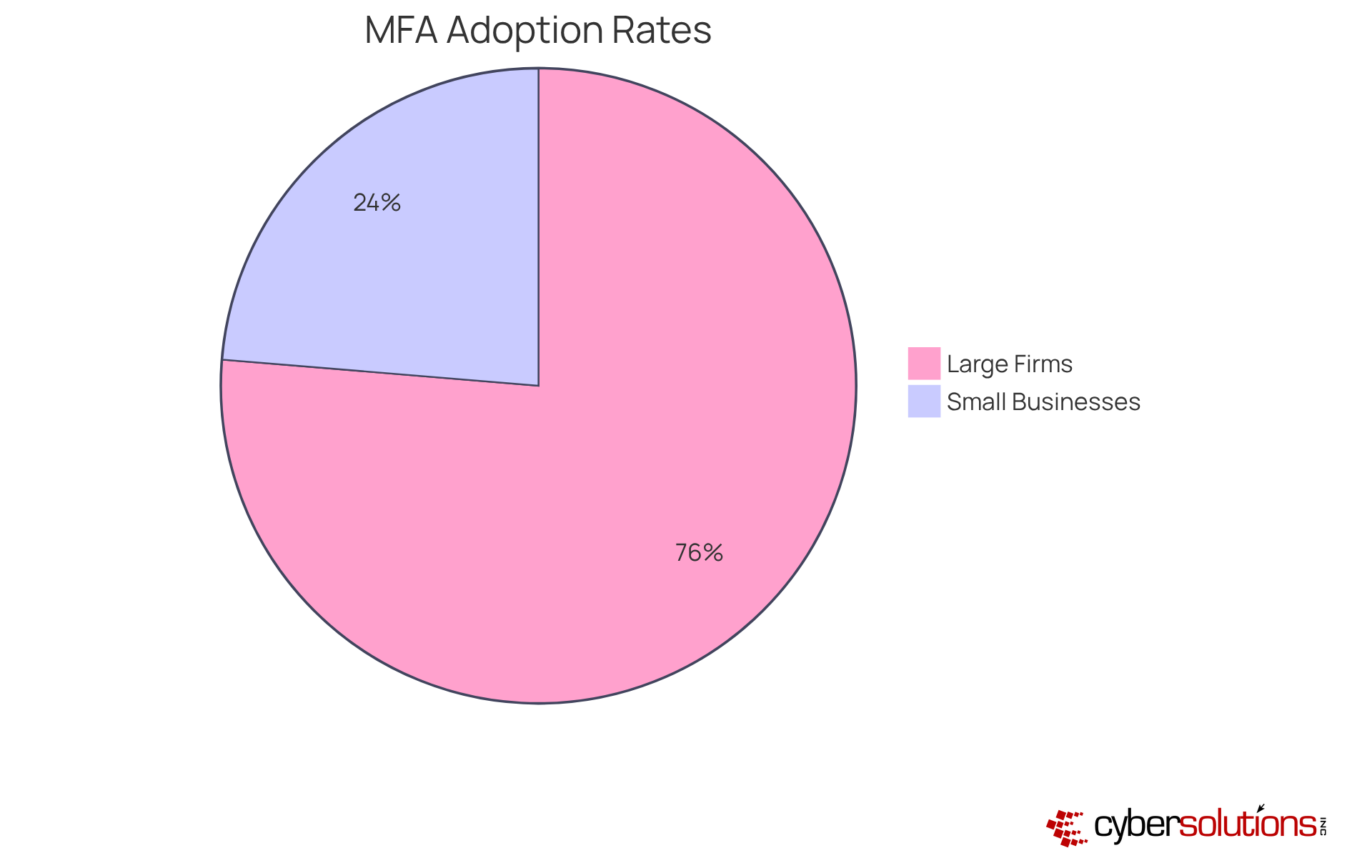
Organizations should involve employees on the significance of these measures. It’s worth noting that 33% of entities find MFA bothersome, which highlights the necessity for efficient training to alleviate user resistance. Moreover, organizations should recognize the disparity in MFA adoption rates:
- 87% of firms with over 10,000 employees utilize MFA
- Only 27% of small businesses have embraced it
By integrating these strategies, organizations can enhance their security posture. This proactive approach ensures operations remain within a more secure operational framework in an increasingly digital landscape.
Secure Remote Access: Protect Corporate Networks
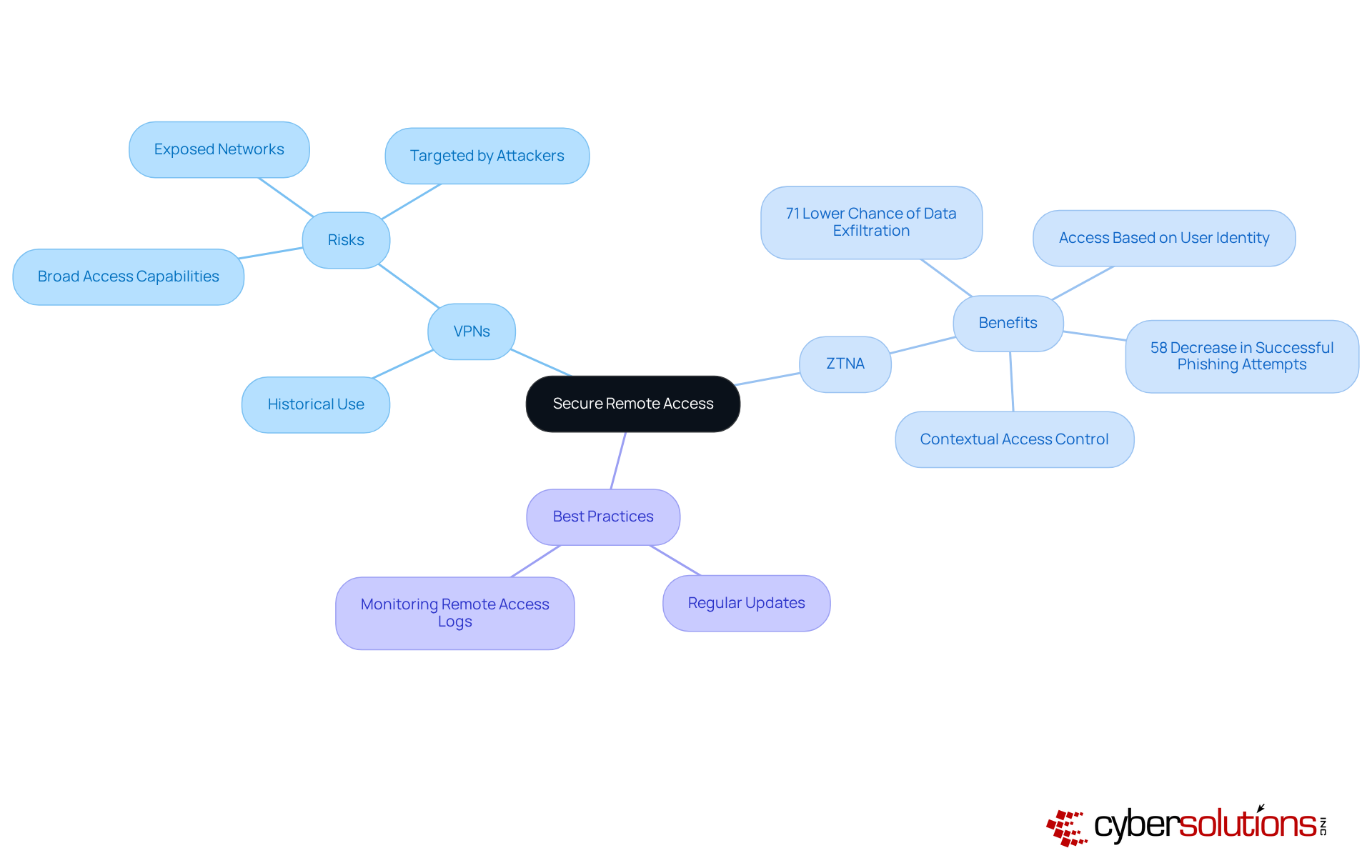
Securing remote access is not just important; it’s essential for organizations and employees in today’s environment. Organizations must adopt security measures and protocols to ensure that only authorized users can access sensitive information.
While traditional methods are increasingly viewed as inadequate, they are still used. Their broad access capabilities can expose networks to significant risks if credentials are compromised. In contrast, ZTNA enhances security by allowing access based on user identity, device health, and contextual signals. This approach significantly minimizes the chances of breaches. In fact, entities employing ZTNA report a 71% lower chance of information exfiltration and a 58% decrease in successful phishing attempts.
Regularly updating security policies and conducting audits are essential practices that help identify and mitigate potential threats. Cybersecurity leaders emphasize that adopting a comprehensive strategy not only strengthens resilience against attacks but also enhances overall visibility and control over remote users, thereby improving security posture. By prioritizing these secure access measures, organizations can effectively protect their sensitive data and assets in an increasingly complex digital landscape.
Conduct Regular Security Audits: Assess Vulnerabilities
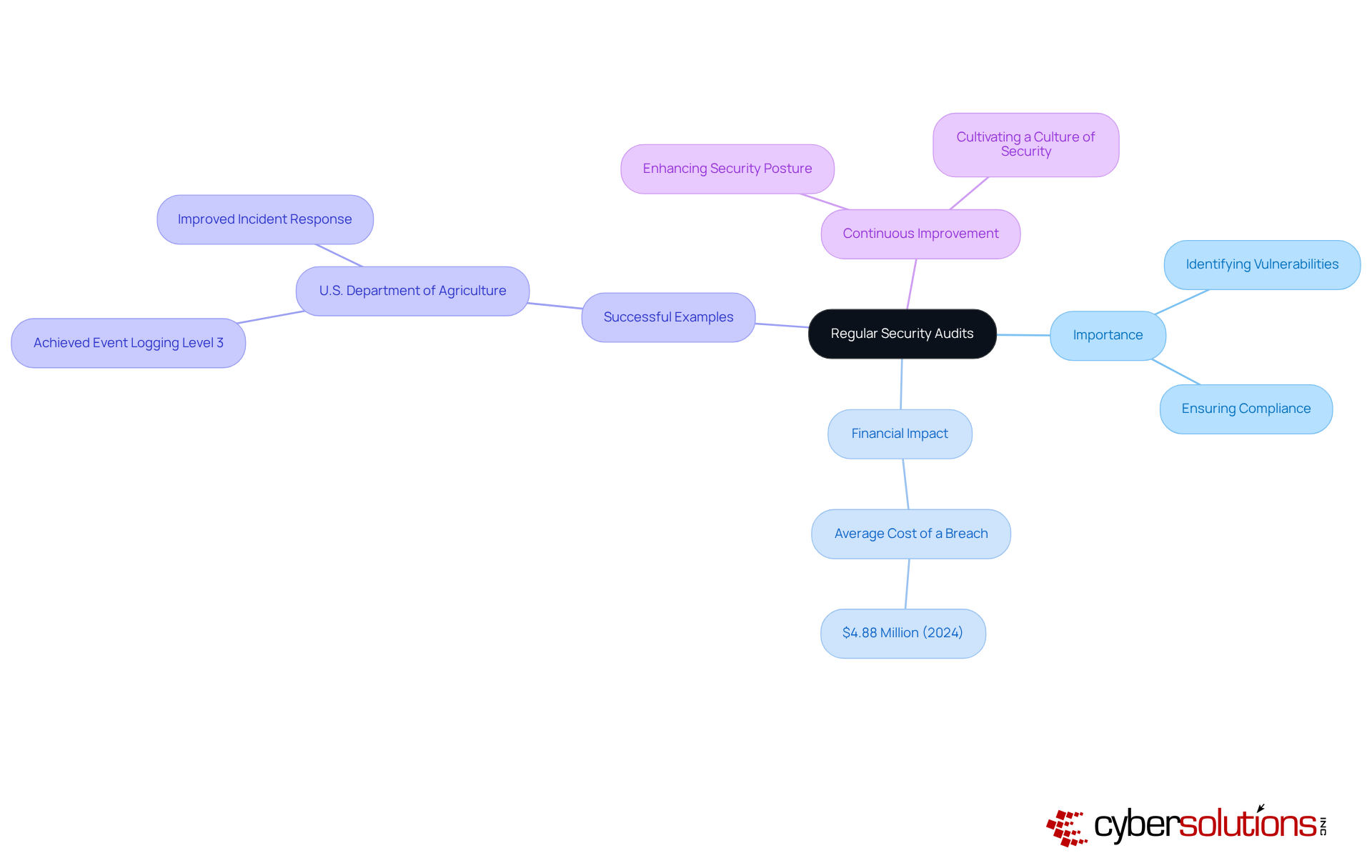
Routine assessments are essential for effectively identifying weaknesses within a company. These audits not only evaluate the effectiveness of current security measures but also highlight potential vulnerabilities and ensure compliance with regulations. By systematically examining these measures, organizations can significantly bolster their defenses against cyber threats.
Consider this: the average cost of a breach for U.S. entities reached $4.88 million in 2024. This staggering figure underscores the financial imperative for robust cybersecurity practices. Moreover, organizations that conduct regular audits reduce the likelihood of breaches and operational disruptions.
Successful audits, such as the recent achievement in cybersecurity maturity by the organization, demonstrate the power of a structured audit process. This approach not only enhances security plans but also cultivates a culture of continuous improvement in cybersecurity. Ultimately, it strengthens defenses and maintains stakeholder trust.
Utilize Data Encryption: Protect Sensitive Information
In today's digital landscape, employing encryption is not just a precaution; it's a necessity for protecting data from unauthorized access, especially when managing sensitive information. With the rise in cyber threats, healthcare organizations face unique challenges that demand robust solutions. Advanced encryption protocols must be implemented for both information at rest and in transit, ensuring that even if data is intercepted, it remains unreadable.
Moreover, integrating encryption technologies and access controls can significantly bolster the protection of sensitive information. These strategies not only enhance security but also instill confidence among stakeholders. Regularly reviewing and revising security policies is essential, as is developing a comprehensive response plan for potential incidents. This proactive approach not only preserves data integrity but also ensures adherence to regulatory standards.
Are your current security measures sufficient to combat the evolving threats in healthcare? By prioritizing encryption and access controls, organizations can effectively mitigate risks and safeguard their most valuable assets.

Develop an Incident Response Plan: Manage Security Breaches
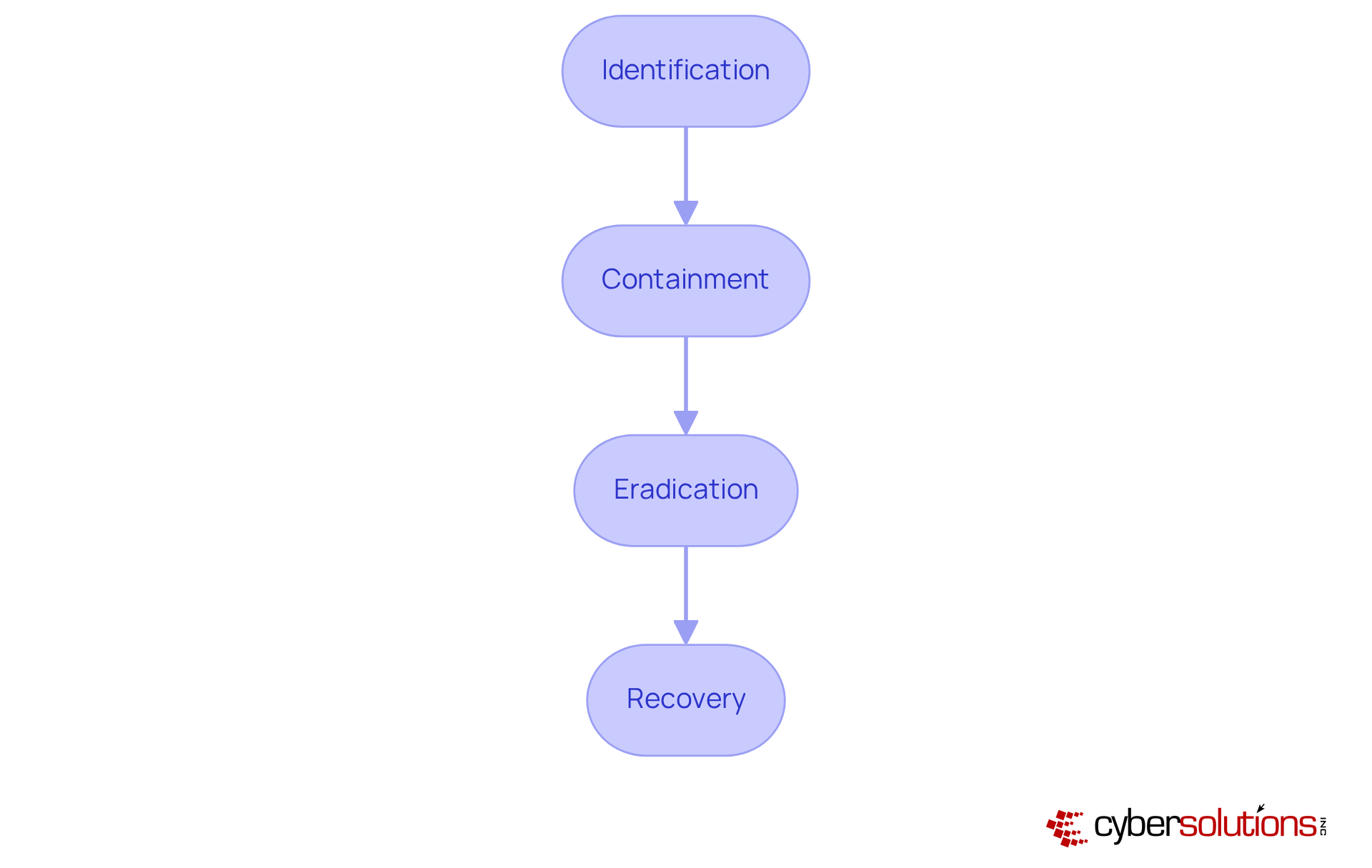
Establishing a robust incident response plan is not just a best practice; it’s essential for effectively managing security breaches in healthcare settings, where cybersecurity is critical. Why is this so important? The healthcare sector faces unique challenges, making it a prime target for cyber threats. A well-defined incident response plan should clearly outline the steps to take during a security incident, including:
- Identification
- Containment
- Eradication
- Recovery
Frequent testing and updates of the incident response plan are crucial. Organizations that conduct annual drills and simulations significantly improve their readiness. Consider this: a study revealed that entities with well-tested incident response plans experienced 50% less downtime during breaches compared to those without. Cybersecurity specialists emphasize that ongoing enhancement of these strategies, informed by insights from previous incidents, is vital for adapting to evolving risks.
Engaging stakeholders throughout the planning process fosters a collaborative approach, enhancing the plan's effectiveness. Thorough documentation, including incident reports, compliance reports tailored to HIPAA standards, and training materials, is paramount. The Cybersecurity and Infrastructure Security Agency (CISA) also underscores the importance of prompt patching and practicing incident response to mitigate risks.
With the average cost of a data breach soaring to $4.56 million, maintaining a proactive stance is essential for safeguarding operations and reputation. By prioritizing incident response planning and specialized incident response expertise, organizations can further reduce the risk of human error and ensure swift, effective responses to security incidents. Is your organization prepared to face these challenges head-on?
Conclusion
The importance of implementing effective hybrid work security strategies is paramount in today’s digital landscape. As organizations shift to hybrid work models, prioritizing robust cybersecurity measures is essential to protect sensitive information and maintain operational integrity. By adopting comprehensive solutions that include endpoint protection, real-time threat detection, compliance protocols, and employee training, businesses can foster a safer working environment that builds trust and resilience against cyber threats.
Key strategies highlighted throughout this article include the necessity of multi-factor authentication, secure remote access, regular security audits, and data encryption. Each of these elements is crucial in safeguarding corporate networks and ensuring compliance with regulatory requirements. Organizations that invest in these proactive measures not only mitigate risks but also empower their employees to recognize and respond to potential threats effectively.
In a landscape where cyber threats are increasingly sophisticated, decisive action is essential. Organizations must embrace these hybrid work security strategies to protect their assets and maintain trust with stakeholders. By prioritizing cybersecurity, businesses can navigate the complexities of the digital realm, ensuring a secure and resilient future for their operations.
Frequently Asked Questions
What services does Cyber Solutions Inc. offer for hybrid work security?
Cyber Solutions Inc. offers a comprehensive suite of services including managed IT support, endpoint protection, and compliance services, all aimed at enhancing security in hybrid work environments.
Why is hybrid work security becoming increasingly important?
The importance of hybrid work security has surged due to a significant increase in cyber risks, with a reported 238% rise in attacks targeting remote workers, highlighting the need for robust cybersecurity measures.
What proactive cybersecurity services does Cyber Solutions provide?
Cyber Solutions provides proactive cybersecurity services such as 24/7 IT support, threat detection, data backup solutions, and user training to enhance security and foster a culture of vigilance among employees.
How does cybersecurity training impact security risks?
Organizations that invest in cybersecurity training have reported up to a 70% decrease in security-related risks, demonstrating the effectiveness of proactive measures in mitigating threats.
What is the importance of endpoint protection in hybrid work environments?
Endpoint protection is essential for securing devices in hybrid work settings, as it helps organizations address unprecedented cybersecurity threats and reduces vulnerabilities that cybercriminals may exploit.
What strategies are recommended for effective endpoint protection?
Effective endpoint protection strategies include implementing regular updates and patches, ongoing monitoring, and swift response capabilities to tackle potential risks.
How do advanced risk detection systems enhance cybersecurity?
Advanced risk detection systems utilize machine learning and behavioral analytics to identify anomalies and potential threats in real-time, enabling swift responses to mitigate risks.
What role does a rapid incident response team play in cybersecurity?
A rapid incident response team is crucial for minimizing damage during a cybersecurity incident, providing services like endpoint isolation, malware removal, and user training for quicker recovery.
Why should organizations regularly review risk intelligence reports?
Regularly reviewing risk intelligence reports helps organizations stay ahead of emerging threats and ensures that their cybersecurity defenses remain robust and up-to-date.
List of Sources
- Cyber Solutions Inc.: Comprehensive Cybersecurity for Hybrid Work Environments
- Key Cyber Security Statistics for 2026 (https://sentinelone.com/cybersecurity-101/cybersecurity/cyber-security-statistics)
- broadbandsearch.net (https://broadbandsearch.net/blog/business-cyber-security-facts-statistics)
- solutionsreview.com (https://solutionsreview.com/cybersecurity-awareness-month-quotes-and-commentary-from-industry-experts-in-2025)
- varonis.com (https://varonis.com/blog/cybersecurity-statistics)
- atera.com (https://atera.com/blog/best-cybersecurity-quotes)
- Implement Endpoint Protection: Safeguard Devices in Hybrid Work
- guardz.com (https://guardz.com/blog/36-endpoint-security-statistics-msps-should-know-about-in-2025)
- security.org (https://security.org/antivirus/antivirus-consumer-report-annual)
- canon.ca (https://canon.ca/en/products/IT-Solutions/Blogs/The-Importance-of-Endpoint-Security-in-a-Hybrid-Work-Environment)
- expertinsights.com (https://expertinsights.com/endpoint-security/edr-market-overview)
- market.biz (https://market.biz/endpoint-security-statistics)
- Utilize Threat Detection: Identify Risks in Real-Time
- securitybrief.com.au (https://securitybrief.com.au/story/crowdstrike-unveils-instant-cloud-threat-detection-for-hybrid-systems)
- litslink.com (https://litslink.com/blog/ai-in-cybersecurity-statistics)
- techtimes.com (https://techtimes.com/articles/312892/20251122/ai-powered-cybersecurity-new-tools-combat-evolving-threats-real-time.htm)
- juncyber.com (https://juncyber.com/ai-powered-threat-detection-for-digital-security-in-2025)
- ir.crowdstrike.com (https://ir.crowdstrike.com/news-releases/news-release-details/crowdstrike-stops-cloud-attacks-seconds-real-time-cloud)
- Establish Compliance Protocols: Navigate Regulatory Requirements
- datapacific.com (https://datapacific.com/navigating-cloud-compliance-essential-regulations-in-the-digital-age)
- kaseya.com (https://kaseya.com/blog/regulation-updates-it-professionals)
- masoomlaw.com (https://masoomlaw.com/news/new-year-new-compliance-legal-updates-for-2025)
- 110+ Data Privacy Statistics: The Facts You Need To Know In 2026 (https://secureframe.com/blog/data-privacy-statistics)
- 100+ Compliance Statistics You Should Know in 2026 (https://sprinto.com/blog/compliance-statistics)
- Conduct Cybersecurity Training: Empower Employees Against Threats
- fortinet.com (https://fortinet.com/corporate/about-us/newsroom/press-releases/2024/fortinet-report-finds-70-percent-of-organizations-lack-fundamental-security-awareness-for-employees)
- forbes.com (https://forbes.com/councils/forbestechcouncil/2023/10/24/how-cybersecurity-training-lowers-risk-among-employees)
- abc27.com (https://abc27.com/business/press-releases/ein-presswire/851740055/bricktech-publishes-article-on-the-importance-of-employee-training-for-cybersecurity)
- 10 Hot Security Awareness Training Companies To Watch in 2026 (https://cybersecurityventures.com/security-awareness-training-companies)
- weforum.org (https://weforum.org/stories/2025/10/cybersecurity-people-not-just-technology)
- Implement Multi-Factor Authentication: Strengthen Access Controls
- 7 Reasons Why You Need MFA Security in 2026 (https://splashtop.com/blog/why-you-need-MFA-security)
- jumpcloud.com (https://jumpcloud.com/blog/multi-factor-authentication-statistics)
- scoop.market.us (https://scoop.market.us/multi-factor-authentication-statistics)
- expertinsights.com (https://expertinsights.com/user-auth/multi-factor-authentication-statistics)
- Secure Remote Access: Protect Corporate Networks
- industrialcyber.co (https://industrialcyber.co/news/sans-institute-2025-survey-finds-ot-cybersecurity-incidents-rising-as-ransomware-and-remote-access-risks-grow)
- seraphicsecurity.com (https://seraphicsecurity.com/learn/secure-remote-access/secure-remote-access-in-2025-risks-protocols-and-best-practices)
- zerothreat.ai (https://zerothreat.ai/blog/zero-trust-statistics)
- 20 Quotes Proving The Need for Security Integrations (https://synqly.com/moving-from-ok-to-best-in-class-20-quotes-from-experts-proving-the-need-for-security-integrations)
- watchguard.com (https://watchguard.com/wgrd-news/blog/end-vpns-why-zero-trust-future-remote-access)
- Conduct Regular Security Audits: Assess Vulnerabilities
- The Importance of Regular Security Audits in Preventing Data Breaches – TNTMAX (https://tntmax.com/regular-security-audits-are-important-in-preventing-data-breaches)
- usda.gov (https://usda.gov/about-usda/news/blog/2025/08/11/usda-hits-new-information-security-benchmark-2025)
- charterts.com (https://charterts.com/insights/the-importance-of-regular-cybersecurity-audits)
- Security Week Home (https://securityweek.com)
- hoploninfosec.com (https://hoploninfosec.com/the-importance-of-regular-security-audits)
- Utilize Data Encryption: Protect Sensitive Information
- ciphertex.com (https://ciphertex.com/2025/07/21/encryption-in-2025-trends-best-practices)
- censinet.com (https://censinet.com/perspectives/hipaa-encryption-protocols-2025-updates)
- thoropass.com (https://thoropass.com/blog/pci-dss-encryption-requirements)
- randtronics.com (https://randtronics.com/why-encryption-is-a-mandatory-privacy-tool-in-2025)
- comparecheapssl.com (https://comparecheapssl.com/data-privacy-encryption-statistics)
- Develop an Incident Response Plan: Manage Security Breaches
- cbia.com (https://cbia.com/news/featured/incident-response-plans-business)
- What is an Incident Response Plan? Know the 5 Basic Steps (https://bitsight.com/blog/how-create-incident-response-plan-5-steps)
- cisa.gov (https://cisa.gov/national-cyber-incident-response-plan-ncirp)
- blog.rsisecurity.com (https://blog.rsisecurity.com/a-guide-to-create-a-security-incident-response-plan-csirp)
- cisa.gov (https://cisa.gov/news-events/cybersecurity-advisories/aa25-266a)